
Hello there! The world is waking up to the need for a sustainable, plastic-free future, and finding innovative solutions that balance convenience with our planet’s well-being has never been more critical. One of the most exciting breakthroughs in this journey is plant fiber packaging, specifically the kind offered by companies like ZeroLife. These eco-friendly materials are changing how we think about daily essentials, making it easier than ever to make sustainable choices without compromising quality or functionality. Let’s dive into how this movement is shaping a brighter future for all of us.
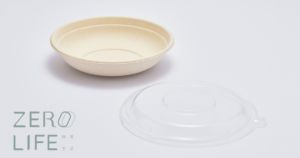
Plant fiber meal boxes are revolutionizing sustainable living by replacing traditional plastic packaging with natural, biodegradable alternatives. These innovative products aren’t just good for the environment—they’re practical, durable, and surprisingly stylish. By using renewable plant-based resources, ZeroLife Packaging is reducing the global reliance on single-use plastics and helping everyday consumers make an impactful choice for a better tomorrow. Whether you’re packing lunch or running a food business, these solutions offer an eco-friendly way forward.
What Is ZeroLife Packaging All About?
ZeroLife Packaging is at the forefront of the plastic-free revolution. By producing eco-friendly packaging products made from plant fibers, ZeroLife aims to replace traditional, harmful plastics with biodegradable and compostable materials. But what exactly makes ZeroLife a standout player in this arena?
The Science Behind Plant Fiber Packaging
Plant fiber packaging by ZeroLife typically utilizes materials like bagasse (sugarcane pulp), bamboo fibers, or wheat residues. These natural by-products of agricultural processes are transformed into durable, lightweight containers that serve the same functions as traditional plastics. The life cycle of these products ensures minimal environmental impact, as they are:
- Biodegradable: Breaking down into natural elements within weeks to months, depending on the material and composting conditions.
- Compostable: Useful in creating nutrient-rich compost, improving soil health instead of polluting ecosystems.
- Renewable: Derived from fast-growing plants, avoiding depletion of finite resources.
This means ZeroLife isn’t just offering an alternative—it’s pioneering a sustainable packaging model that benefits consumers and the planet alike.
Why ZeroLife Is Crucial for a Plastic-Free Future
Reducing single-use plastics is a global priority, especially considering the devastating impact plastic waste has on marine life, ecosystems, and even human health. But shifting to eco-friendly options can only happen if these solutions are accessible, affordable, and functional. That’s where ZeroLife comes in, offering plant fiber meal boxes that tick all the right boxes.
Practical Benefits of ZeroLife’s Plant Fiber Meal Boxes
One of the most common concerns about eco-friendly products is whether they can match the practicality and efficiency of traditional options. ZeroLife’s packaging proves this perception wrong. Here’s why:
- Durability: Despite being lightweight, plant fiber meal boxes are sturdy and able to handle both hot and cold foods without leaking or warping.
- Microwave and Freezer Safe: These meal boxes can safely be used in microwaves for reheating and in freezers for food storage, making them versatile for daily use.
- Stylish Appeal: Their clean, minimalist design elevates food presentation, whether in high-end eateries or casual picnics.
- Odor-Free: Unlike styrofoam or low-quality plastics, these containers don’t absorb food odors, ensuring a fresh dining experience.
Real-World Applications
Plant fiber packaging is being embraced across various industries, from food service to retail. Here are some prime examples of how these products are being used to create a positive impact:
- Restaurants and Cafes: Many eateries are replacing plastic takeaway boxes with stylish plant fiber containers, aligning with customer demand for greener options.
- Food Delivery Services: Delivery companies are choosing biodegradable packaging to reduce plastic waste and enhance brand appeal.
- Home Kitchen Use: Families are opting for plant fiber meal boxes to store leftovers or pack lunches, knowing they’re making an environmentally conscious choice.
These examples demonstrate how ZeroLife’s eco-friendly solutions provide real utility while contributing to global sustainability efforts.
How to Get Started with ZeroLife Packaging
Adopting ZeroLife’s innovative packaging is incredibly straightforward, whether you’re an individual looking to make better lifestyle choices or a business committed to sustainability. Here’s how anyone can get started:
For Individuals
If you’re someone who frequently relies on containers for home-cooked meals or food storage, switching to plant fiber options is a simple yet effective step. Here’s what you can do:
- Start Small: Replace single-use plastic with plant fiber boxes for lunch or takeout.
- Recycle Wisely: Compost used boxes whenever possible to maximize their environmental benefits.
- Encourage Friends: Share your journey with others—small changes can multiply impact when shared.
For Businesses
Eco-conscious companies looking to partner with ZeroLife can take advantage of their bulk packaging solutions to replace plastics across their operations. Practical steps include:
- Audit Your Packaging: Identify areas where you can immediately transition to plant-based containers.
- Market Your Efforts: Highlight your sustainable initiatives to attract a growing base of eco-minded customers.
- Collaborate with Suppliers: Work with ZeroLife to integrate their products seamlessly into your supply chain.
Why ZeroLife Packaging Is Just the Beginning
Switching to plant fiber meal boxes is a powerful first step in reducing plastic waste and embracing a plastic-free lifestyle. But it’s important to remember that broader change requires collective action. Supporting and adopting products like those from ZeroLife creates momentum for further innovation, encouraging more industries to follow suit and phase out harmful materials.
Expanding Sustainability Efforts
There’s an endless array of possibilities when it comes to replacing plastics with eco-friendly alternatives. Beyond meal boxes, ZeroLife’s approach could extend to products like cups, utensils, and even larger packaging formats. By voting with our wallets and supporting initiatives like this, we’re sending a clear message: the era of plastic dominance is coming to an end.
Join the Movement
The shift to a plastic-free future is only possible if individuals, businesses, and communities take active steps to drive change. When you choose ZeroLife Packaging, you’re not just selecting a product—you’re supporting a vision of a cleaner, more sustainable world. The next time you’re faced with a choice between plastic and plant fiber, remember that each decision you make contributes to the bigger picture of a healthier planet for future generations.
Let’s join hands in making this vision of a plastic-free future a reality—one meal box at a time.