“`html
Everywhere you look, there’s a growing focus on reducing waste, combating climate change, and making better choices for our planet. But have you considered how your product packaging contributes to this issue? Every year, millions of tons of plastic flood the environment, and as consumers push for more eco-friendly options, sustainable brands are exploring alternatives like plant-based food packaging. Let’s dive into why this matters and how it’s shaping a greener, cleaner future for all of us.
Plant-based food packaging is gaining traction among eco-conscious brands, and for good reason. Made from renewable resources like sugarcane, bamboo, and wheat straw, these options significantly reduce reliance on plastic and petroleum-based materials. Beyond sustainability, they offer practical, durable, and beautifully designed solutions for meals on the go. From takeout containers to restaurant meal boxes, these packages are revolutionizing how we think about single-use items. Let’s explore what makes plant-based packaging a must-have solution for sustainable living.
What Is Plant-Based Food Packaging?
Plant-based food packaging refers to packaging materials that are primarily derived from renewable plant sources, such as agricultural byproducts. Unlike plastics made from petroleum, these eco-friendly options are biodegradable, compostable, and far less harmful to the planet. Common materials used for plant-based packaging include:
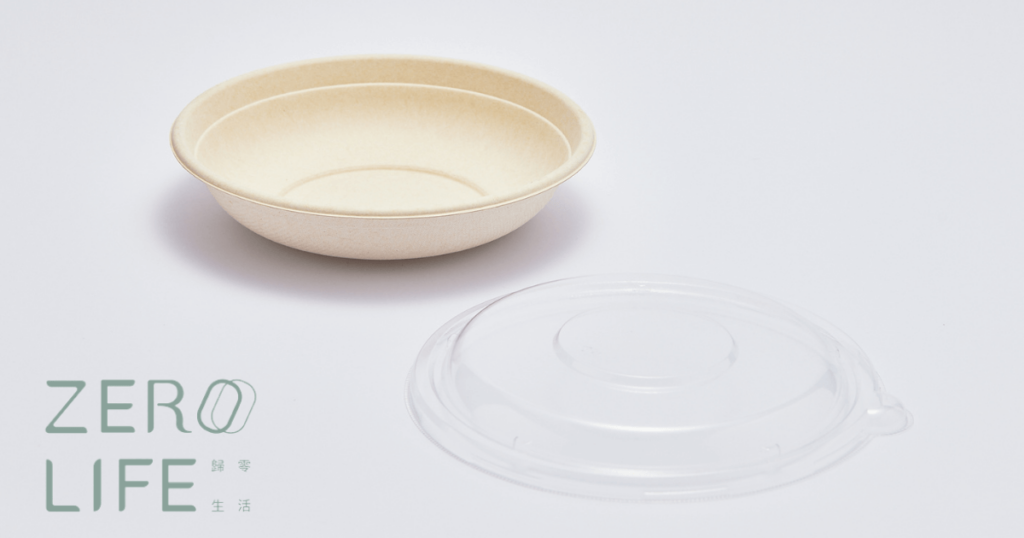
- Sugarcane (Bagasse): A fibrous byproduct of sugarcane production, often used for sturdy plates, bowls, and meal containers.
- Bamboo: A fast-growing, renewable resource that’s lightweight, durable, and naturally sustainable.
- Cornstarch: Used to create bioplastics such as PLA (polylactic acid), which mimic the properties of traditional plastic but break down more easily.
- Wheat Straw: The byproduct of wheat harvesting, which is repurposed into strong, compostable packaging materials.
The goal of plant-based packaging is simple: reduce waste, minimize environmental impact, and create a circular economy where materials are reused or returned to the Earth in a healthy way.
Benefits of Plant-Based Food Packaging
Switching to plant-based food packaging offers numerous advantages for businesses, consumers, and the environment. Here are some key benefits that make these materials the leading choice for sustainable brands:
1. Reducing Plastic Pollution
By replacing traditional plastic with plant-based alternatives, we can reduce the amount of non-biodegradable waste that ends up in landfills and oceans. For example, sugarcane-based boxes decompose in a matter of months, unlike plastic, which lingers in the environment for centuries.
2. Compostability
Many plant-based packaging solutions, like those made from bagasse or bamboo, are fully compostable. This means after use, these materials can safely break down into nutrient-rich compost, supporting soil health rather than harming ecosystems.
3. Renewable Materials
Plant-based packaging utilizes materials that are rapidly renewable, like sugarcane and wheat straw. Harvesting these resources doesn’t deplete natural ecosystems, unlike the extraction of oil required for making plastic. This ensures a more sustainable supply chain for the future.
4. Food Safety
Most plant-based containers are free from harmful chemicals like BPA and phthalates, making them safer for storing food. They’re also heat-resistant, microwave-safe, and capable of handling both liquids and solids, giving them an edge over cheap plastic alternatives.
Real-World Applications of Plant-Based Food Packaging
From cafes to large-scale catering businesses, plant-based food packaging is increasingly being seen as the ideal choice for serving meals in an eco-conscious way. Below are some practical examples where this type of packaging is already making a huge impact around the world:
- Restaurants & Cafes: Many food establishments are now using sugarcane meal boxes and bamboo cutlery for takeout meals, reducing their reliance on Styrofoam or plastic containers.
- Food Delivery Services: Companies like Uber Eats are partnering with restaurants to promote compostable packaging for deliveries. Brands offering eco-friendly options are gaining consumer trust and loyalty.
- Farmers Markets: Vendors at farmers markets are adopting plant-based packaging for prepared foods, such as cornstarch-based bags for fresh produce or wheat straw plates for snacks.
- Corporate Events: Businesses hosting events often choose biodegradable plates and cups to make their gatherings more sustainable without sacrificing aesthetic appeal.
How to Choose the Right Plant-Based Packaging for Your Brand
If you’re ready to switch to plant-based food packaging, here are some considerations to help you pick the best options for your specific needs:
- Understand Your Usage: Consider the type of food you’re packaging and its requirements. For instance, sugarcane boxes are great for hot, greasy food, while PLA containers work better for cold items.
- Certifications Matter: Look for packaging that’s certified as compostable or biodegradable by organizations like the Biodegradable Products Institute (BPI).
- Think About Branding: Many manufacturers can customize plant-based packaging with your logo or brand colors, making it a powerful tool for marketing while staying eco-friendly.
- Sourcing & Cost: Understand where your packaging materials are sourced from and ensure they fit within your budget. Although some options like bamboo are slightly pricier upfront, the long-term environmental benefits outweigh the costs.
Actionable Tips for Sustainable Brands
Plant-based food packaging is a step toward reducing environmental harm, but there are additional steps you can take as a sustainable brand to amplify your impact:
- Educate your customers about proper disposal methods for compostable packaging to ensure these materials don’t end up in the trash.
- Collaborate with local composting facilities to ensure your packaging waste is handled appropriately.
- Promote your sustainable packaging choices on your website, social media, and branding materials to attract eco-conscious consumers.
- Audit your supply chain regularly to ensure all materials meet ethical and sustainability standards.
The Future of Plant-Based Food Packaging
As technology improves, plant-based packaging is becoming more durable, cost-effective, and accessible to brands of all sizes. Governments worldwide are also encouraging businesses to transition to greener practices by banning single-use plastics and offering incentives for eco-friendly innovation.
As I see it, this isn’t just a passing trend—it’s the future. By choosing sustainable packaging today, we can collectively drive a shift away from harmful materials and toward a healthier planet. If you’re a brand looking to make a difference, the time to embrace plant-based food packaging is now. Together, we can lead the way to a waste-free, sustainable world.
“`