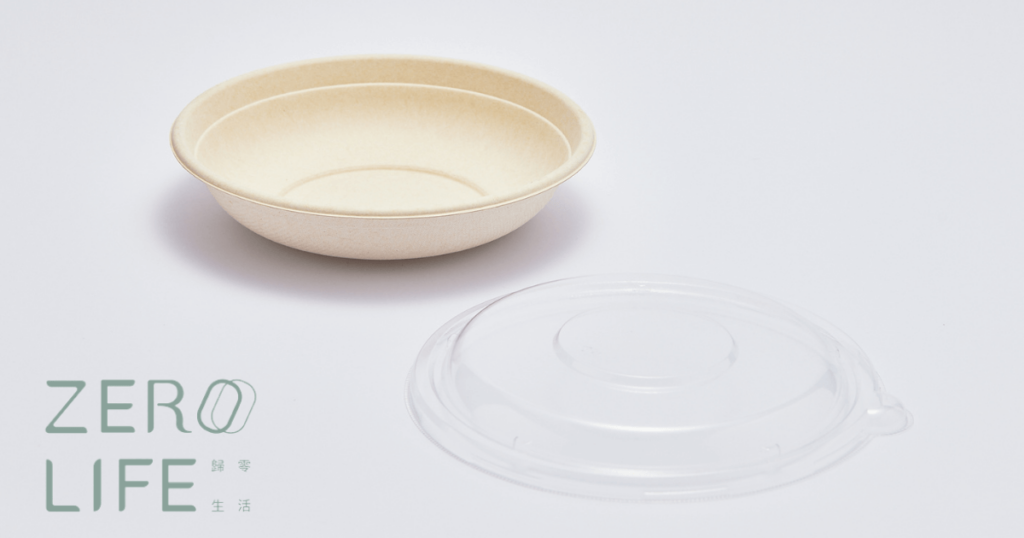
Have you ever paused to think about the impact your takeout and delivery packaging has on our planet? For years, single-use plastics have created mountains of waste, polluting our land and oceans. But now, thanks to cardboard innovation and sustainable alternatives like plant fiber meal boxes, we have a chance to rewrite this story. By embracing these new packaging designs, not only can we reduce waste, but we can also take meaningful action toward a greener and cleaner future.
Cardboard innovation is leading the way in revolutionizing packaging, offering sustainable solutions to tackle the environmental challenges posed by traditional plastics and non-recyclable materials. Plant fiber meal boxes are at the forefront of this transformation, using renewable, compostable, and biodegradable materials to replace harmful disposables. With their eco-friendly appeal, these innovative products promise to reduce landfill waste, diminish carbon footprints, and inspire a widespread shift toward responsible consumption.
Cardboard Innovation: Redesigning Packaging for Sustainability
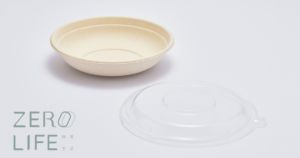
One of the most exciting developments in sustainable living is the rise of plant fiber meal boxes. These eco-conscious alternatives to plastic containers combine strong, lightweight construction with an incredible ability to break down naturally. Unlike materials that clog landfills and endanger marine life, plant-based fibers are biodegradable, making them a game-changer in achieving zero-waste goals.
Why Plant Fiber Meal Boxes Matter
Traditional meal packaging often relies on plastics or Styrofoam, materials that can take hundreds of years to decompose. In contrast, plant fiber meal boxes use natural materials like sugarcane bagasse (a by-product of sugar production), bamboo, and wheat straw. These fibers are not only renewable but also recyclable and compostable, meaning they can return to the Earth safely, without leaving behind toxic residues.
Key Environmental Benefits of Cardboard and Fiber Packaging
The shift to plant fiber meal boxes aligns with global efforts to reduce waste and protect the environment. Let me break down the key benefits:
- Biodegradability: Unlike plastics, these materials decompose naturally within a few months.
- Reduced Pollution: By eliminating single-use plastics, we prevent harmful litter from entering waterways and ecosystems.
- Lower Carbon Footprint: Producing plant-based packaging creates fewer greenhouse gas emissions compared to plastic manufacturing.
- Circular Economy: Composting plant fiber packaging contributes to healthier soils, closing the sustainability loop.
For me, knowing that my leftover takeout box could one day become compost for a garden is an empowering thought. Every small step toward reducing waste counts.
Practical Insights for Using Plant Fiber Meal Boxes
Adopting sustainable packaging isn’t just for eco-conscious restaurants and businesses—it’s for anyone who values a greener lifestyle. Here are some simple ways plant fiber meal boxes can make a difference in your daily life:
At Restaurants and Cafés
More eateries worldwide are offering plant fiber packaging as part of their commitment to eco-friendly practices. Supporting these establishments sends a clear message that consumers care about sustainability. Next time you grab a coffee or order takeout, check if they use biodegradable options.
Perfect for Meal Prep and Storage
Plant fiber meal boxes are incredibly versatile. Many designs are microwave-safe, durable enough for everyday use, and can even handle liquids without leaking. They’re ideal for meal prepping at home while ensuring your kitchen waste remains minimal.
Hosting Events or Parties
If you’re hosting an event, using disposable plant fiber containers can significantly cut down on cleanup while reducing your environmental footprint. Catering services often offer eco-friendly packaging upon request, making it easier to align your celebrations with sustainable principles.
How Cardboard Innovation is Transforming Industries
The impact of cardboard innovation isn’t limited to food packaging. Around the globe, industries are embracing sustainable solutions to tackle waste and strengthen their eco-friendly credentials. Here are some exciting examples:
Retail Industry
Retailers are switching to plant-based packaging for shipping and product displays. The shift away from Styrofoam packing peanuts and plastic wrap not only helps the planet but also enhances brand reputation among environmentally conscious consumers.
Healthcare and Personal Care
Pharmaceutical and cosmetic companies are also experimenting with fiber-based alternatives for their product packaging. Refillable containers and compostable materials are becoming the norm, minimizing the ecological impact of hygiene products.
Food and Beverage Industry
This is where plant fiber truly shines! Restaurants, meal kit providers, and grocery stores are spearheading the use of sustainable meal boxes and containers, bringing eco-friendly living right to our doorsteps.
How You Can Support Cardboard Innovation
So, how can we, as eco-conscious individuals, contribute to this growing movement? Here are a few actionable tips:
- Choose Eco-Friendly Products: Look for packaging labeled as biodegradable, compostable, or made from renewable plant fibers.
- Support Sustainable Businesses: Prioritize eateries, retailers, and online stores committed to using green packaging materials.
- Educate Your Community: Share knowledge about the advantages of plant fiber meal boxes and encourage local businesses to consider sustainable packaging.
- Compost at Home: If you have a compost bin, you can dispose of plant fiber boxes there instead of sending them to the landfill.
- Advocate for Change: Advocate for local policies that incentivize businesses to adopt environmentally friendly packaging.
Conclusion: A Step Toward a Waste-Free Future
Cardboard innovation and plant fiber meal boxes are paving the way toward a sustainable, waste-free future. By choosing these eco-friendly options, we can reduce pollution, protect ecosystems, and promote renewable resources. This innovation represents more than just a shift in materials—it’s a movement that empowers us to make environmentally responsible choices, one meal box at a time.
The next time you encounter sustainable packaging, take a moment to recognize its role in creating a cleaner, greener planet. Together, every conscious choice we make brings us closer to a world where waste becomes a thing of the past. Let’s keep striving for progress and inspiring those around us to take part in this cardboard revolution!