“`html
As global citizens, we are facing the consequences of excessive plastic waste and unsustainable consumption every day. So, what can we do to minimize our environmental footprint? One answer lies in adopting eco-friendly alternatives like green packaging. Today, I’m going to guide you through what green packaging is, why it matters, and how it can make a real difference in protecting our planet. Let’s explore how simple changes, like choosing plant fiber meal boxes, can lead to a more sustainable lifestyle.
Green packaging is more than just a trend—it’s a practical solution for reducing waste and conserving natural resources. From recyclable and biodegradable materials to compostable alternatives, it offers a sustainable edge over traditional packaging. In particular, plant fiber meal boxes stand out for their eco-friendly attributes and functional design. By making the switch to green packaging, we can help cut down harmful pollutants and take one step closer to a greener planet.
What Is Green Packaging?
Green packaging, also known as sustainable or eco-friendly packaging, refers to materials and designs that minimize environmental impact during production, usage, and disposal. Unlike conventional packaging made from non-biodegradable plastics, green packaging focuses on renewable, durable, and sustainable resources. It uses materials such as biodegradable plant fibers, recycled paper, cardboard, and even innovative compostable polymers.
The principles of green packaging align closely with the concept of the three R’s: Reduce, Reuse, and Recycle. These materials not only reduce waste but also encourage consumer responsibility by promoting behaviors like reusing and proper disposal. Adopting green packaging helps individuals and companies alike move toward a circular economy, reducing overall pollution and conserving energy.
Why Does Green Packaging Matter?
Our planet is in a critical environmental state, primarily due to the overuse of plastic and other non-degradable materials. Millions of tons of plastic waste end up polluting our oceans and landfills each year. This waste poses serious threats to ecosystems, wildlife, and even human health.
Green packaging addresses this issue in several ways:
- Reduces plastic waste: By replacing plastics with biodegradable or compostable materials, we can tackle the root cause of global waste issues.
- Promotes renewable resources: Materials like bamboo, bagasse (sugarcane residue), and recycled paper help conserve finite resources like oil and minerals.
- Minimizes carbon footprint: The production of sustainable packaging often uses less energy, cutting down greenhouse gas emissions.
- Supports eco-conscious consumer habits: By using sustainable materials, businesses encourage consumers to think more critically about their environmental impact.
Plant Fiber Meal Boxes: A Game-Changer in Green Packaging
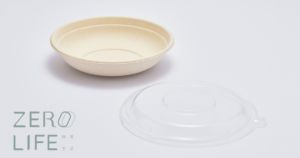
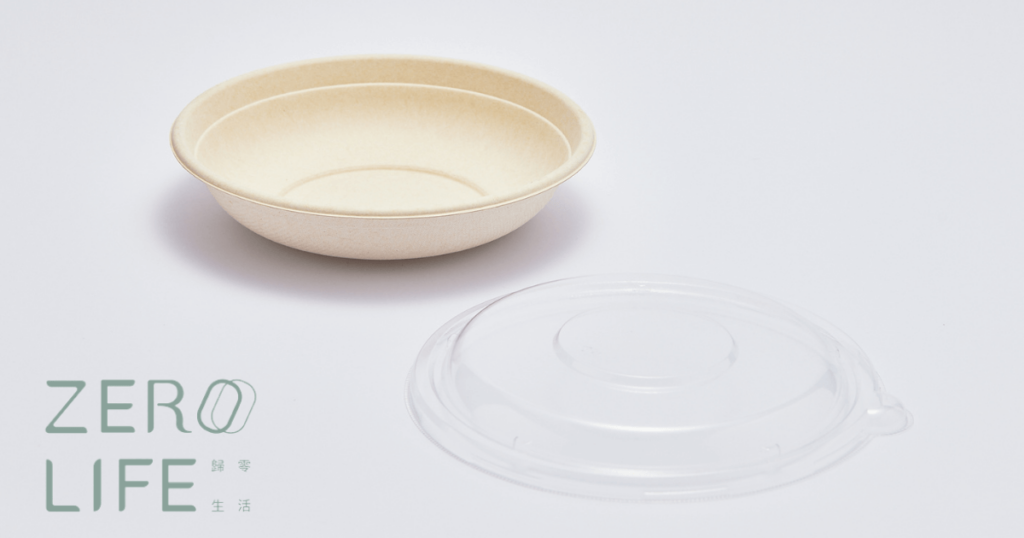
One of the most exciting innovations in green packaging is plant fiber meal boxes. These containers are made from agricultural byproducts like sugarcane bagasse, wheat straw, or bamboo fibers. Unlike traditional plastic or Styrofoam boxes, plant fiber meal boxes are 100% biodegradable and compostable, breaking down naturally in a matter of weeks.
Practical Benefits of Plant Fiber Meal Boxes
Plant fiber meal boxes offer an impressive combination of convenience, functionality, and sustainability. Here’s why they are gaining widespread popularity:
- Eco-Friendly Disposal: These meal boxes completely biodegrade in composting conditions, eliminating the chance of contributing to landfill waste or ocean pollution.
- Durability and Functionality: Despite being made from natural fibers, these boxes are sturdy and heat-resistant, making them ideal for carrying both hot and cold foods.
- Non-Toxic and Food-Safe: Plant fiber meal boxes are free from toxic chemicals like BPA, offering safer alternatives for food storage.
- Versatile Design: Whether you’re packing leftovers, serving takeout, or hosting an event, these meal boxes come in a range of sizes and configurations to meet your needs.
Real-World Applications
Plant fiber meal boxes can be used in various settings, such as:
- Restaurants and Cafés: Many food establishments are shifting to plant-based packaging for take-out and delivery orders to cater to environmentally conscious customers.
- Events and Gatherings: Renting sustainable meal boxes for parties or corporate lunches significantly reduces waste compared to disposable plastic alternatives.
- Home Use: Eco-minded families can use these meal boxes to store leftovers or as part of a zero-waste lunch routine.
How to Incorporate Green Packaging Into Your Lifestyle
Switching to green packaging is an achievable and impactful step toward sustainability. Whether you’re running a business or simply looking to make greener choices at home, here are some actionable ways to incorporate green packaging into your daily life:
- Audit Your Current Packaging: Begin by evaluating your existing use of plastics and other non-sustainable materials. Identify areas where you can replace them with more environmentally friendly alternatives.
- Choose Eco-Friendly Suppliers: Look for companies that offer sustainable packaging solutions. Many businesses now specialize in selling plant fiber meal boxes, recycled paper products, and biodegradable materials.
- Compost When Possible: Set up a composting system at home or participate in community composting programs to ensure plant fiber packaging is disposed of sustainably.
- Spread Awareness: Encourage friends, family, and colleagues to adopt green packaging by sharing your experience and its benefits.
Final Thoughts on Green Packaging
Green packaging offers a meaningful way to reduce waste and work toward a sustainable future. With innovations like plant fiber meal boxes, we have access to practical and eco-friendly solutions that align with our growing need to protect the environment. Whether you’re a business owner or an individual consumer, small changes like switching to biodegradable packaging can have a big impact over time. Let’s embrace the shift toward sustainability and do our part to safeguard the planet for future generations!
“`