Have you ever stopped to think about where all the plastic packaging we use ends up? With landfills and oceans overflowing with waste, it’s time we embrace more sustainable options. That’s where green packaging comes in—a simple, effective way to reduce our environmental footprint and move towards a cleaner, healthier planet. Let’s explore what green packaging is all about, why it matters, and how using it can transform the way we consume and protect our environment.
Green packaging is more than just a trend; it’s a game-changer for businesses and individuals striving for eco-friendly living. Made from renewable and biodegradable materials, such as plant fibers, green packaging reduces reliance on plastics and lowers pollution levels globally. Beyond its environmental perks, it offers practical advantages, such as durability and user convenience. In this guide, I’ll show you how incorporating green packaging into your daily life can make a meaningful difference for you and the planet.
What Is Green Packaging and Why Does It Matter?
Green packaging refers to materials and methods used to create packaging that minimizes harmful environmental impacts. Unlike traditional plastic or Styrofoam materials, green packaging uses eco-friendly, sustainable, and biodegradable options designed to conserve resources and reduce waste.
Key Features of Green Packaging
- Eco-Friendly Materials: Made from renewable resources like bamboo, sugarcane bagasse (plant fibers), or recycled paper.
- Biodegradable: Designed to naturally break down in the environment without releasing toxic substances.
- Reduced Carbon Footprint: Requires less energy and fewer chemicals to produce compared to conventional materials.
- Recyclable: Many green packaging materials can be reused or refurbished for a circular life cycle.
- Non-Toxic: Unlike plastic packaging, it doesn’t leach harmful chemicals into food or the environment.
But why does this matter in everyday life? Because packaging waste is one of the largest contributors to environmental degradation. Switching to green solutions directly impacts ecosystems by reducing landfill use, ocean pollution, and greenhouse gas emissions.
Benefits of Plant Fiber Meal Boxes: Sustainable and Practical
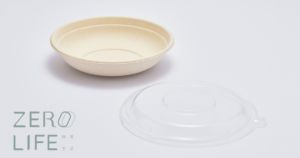
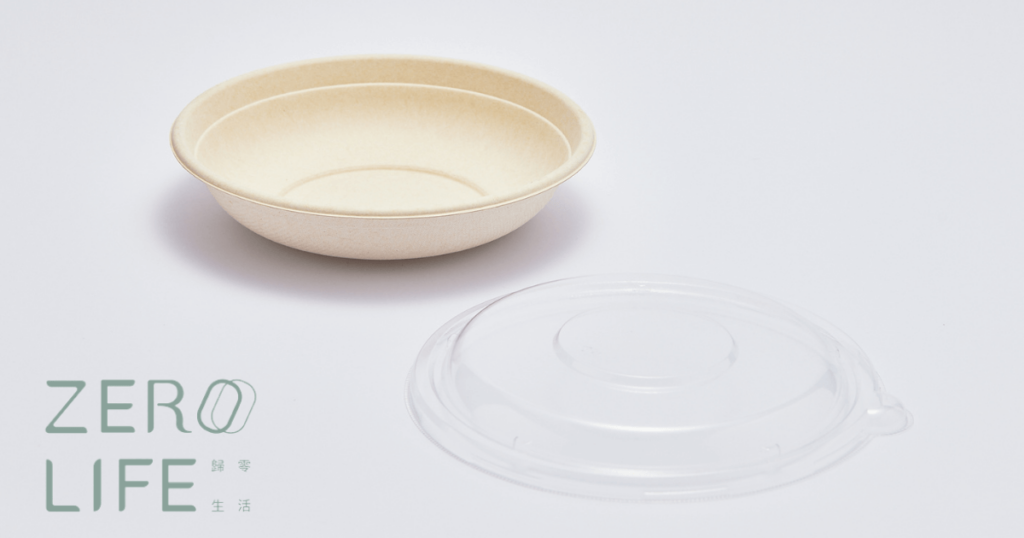
Meal boxes made of plant fibers, like bagasse or bamboo, have taken the eco-friendly world by storm—and for good reasons. These alternatives to plastic food containers are functional, versatile, and sustainable. Here are some of the advantages that make plant fiber meal boxes a must-have for individuals and businesses aiming for a greener lifestyle:
Environmental Advantages of Plant Fiber Meal Boxes
- Fully Compostable and Biodegradable: Unlike plastic, which can take centuries to decompose, plant fiber boxes break down naturally within months.
- Recyclable and Renewable: As they are made from agricultural residues (e.g., sugarcane pulp), they repurpose waste that would otherwise go unused.
- Reduced Pollution: Producing plant-based materials doesn’t involve harmful chemicals, reducing air and water pollution.
- Zero Plastic Additives: Free from microplastics that harm marine life and ecosystems.
- Carbon-Neutral Option: Many plant fiber products are produced using energy-efficient processes, resulting in lower carbon emissions.
Practical Benefits of Plant Fiber Meal Boxes
- Durable for Hot and Cold Foods: Despite being biodegradable, these boxes are sturdy enough to handle temperature extremes without breaking down.
- Grease and Moisture Resistant: Unlike paper boxes, they won’t get soggy when holding oily or wet foods.
- Microwave and Freezer Safe: A convenient option for reheating leftovers or storing meals for extended periods.
- Lightweight and Portable: Perfect for takeout meals, picnics, or on-the-go lunches.
- Aesthetically Pleasing: Their natural, rustic appearance adds a premium feel to food presentation.
Examples of Plant Fiber Meal Box Applications
Plant fiber boxes are versatile and can be used in various scenarios, including:
- Takeout Containers: Many restaurants and cafes have switched to plant fiber meal boxes for eco-conscious food delivery packaging.
- Meal Prep Services: Businesses like meal kit delivery programs use these containers to provide sustainable, single-serve sizes.
- Event Catering: Whether it’s weddings or corporate events, disposable plant fiber trays and plates are gaining popularity.
- Home Storage: They can serve as temporary containers for organizing leftovers or pantry items.
How to Transition to Green Packaging in Everyday Life
Switching to green packaging solutions doesn’t have to be overwhelming. Here are some actionable tips for individuals and businesses to make the transition:
For Individuals
- Replace Plastic Meal Boxes: Invest in compostable containers for food storage and takeaway orders.
- Choose Biodegradable Shopping Bags: Say no to single-use plastic and opt for reusable or compostable bags.
- Support Eco-Friendly Brands: Purchase products with packaging explicitly labeled as recyclable or biodegradable.
- Compost at Home: Turn plant fiber packaging waste into nutrient-rich compost for your garden.
For Businesses
- Source Green Packaging Supplies: Partner with suppliers specializing in sustainable packaging materials, such as plant fiber meal boxes.
- Educate Consumers: Use eco-friendly branding to inform customers about your green initiatives.
- Offer Incentives: Encourage customers to return used packaging for recycling or composting in exchange for rewards.
- Implement Bulk Orders: Cut operational costs and reduce transportation emissions by purchasing green materials in larger quantities.
Final Thoughts: Embrace Green Packaging for a Greener Tomorrow
As someone who values sustainable living, I’ve found that small changes—like using plant fiber meal boxes—can have a huge cumulative impact on the environment. By reducing waste and choosing renewable materials, we can all contribute to a cleaner planet for future generations.
Green packaging is no longer just an option; it’s quickly becoming a necessity for the wellbeing of our planet. Whether you’re an individual striving to reduce waste or a business hoping to enhance sustainability, adopting eco-friendly materials, like plant fiber meal boxes, is a critical step. Let’s make conscious choices today to create a healthier tomorrow.