Have you ever stopped to think about the packaging around your food, the takeout boxes from your favorite restaurant, or even the containers used for online deliveries? If you’re passionate about reducing waste and living sustainably, eco packaging might be the answer we’ve all been looking for. As the world grapples with overwhelming plastic pollution and environmental challenges, the rise of eco packaging offers a practical, planet-friendly alternative that is both innovative and accessible to everyone.
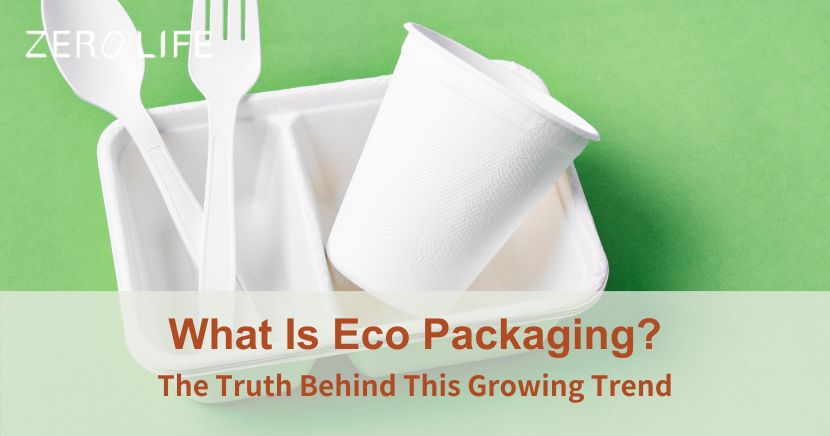
Eco packaging is a sustainable alternative to traditional materials like plastic and Styrofoam. Produced using renewable and biodegradable resources, such as plant fibers, it plays a vital role in reducing global waste and cutting down carbon emissions. One standout example of eco packaging is plant fiber meal boxes—lightweight, highly durable, and perfect for minimizing environmental impact while ensuring convenience. But how do these boxes work, and why are so many people making the switch? Let’s look closer at this growing trend.
What Is Eco Packaging?
Eco packaging refers to environmentally friendly materials designed to minimize harm to the planet. Unlike conventional packaging, which often relies on petroleum-based plastics that can take hundreds of years to decompose, eco packaging uses sustainable resources such as recycled paper, plant-based fibers, and compostable materials. These materials break down more quickly, reducing the amount of waste that ends up in landfills and oceans.
Why Does Eco Packaging Matter?
The need for eco packaging has never been more urgent. Traditional plastics are responsible for a significant percentage of the world’s pollution problem. According to studies, over eight million tons of plastic waste enter the ocean yearly, endangering marine life and polluting waterways. By choosing eco packaging, we can combat this issue and help protect the Earth for future generations.
The Rise of Plant Fiber Meal Boxes
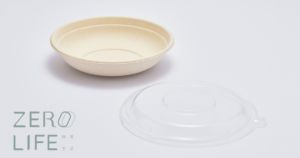
A type of eco packaging making waves in the food industry is the plant fiber meal box. These meal boxes are crafted from natural materials such as bamboo, sugarcane bagasse (the fibrous residue left after extracting juice from sugarcane), or wheat straw. Durable and versatile, they are ideal for replacing single-use plastic containers, especially in food service industries.
Benefits of Plant Fiber Meal Boxes
Plant fiber meal boxes offer several advantages both for the planet and for consumers:
- Biodegradability: Unlike plastic, these boxes decompose naturally within weeks or months, leaving no harmful residue behind.
- Renewable Resources: They are made from agricultural byproducts like sugarcane bagasse or wheat straw, resources that would otherwise be discarded.
- Durability: These meal boxes are sturdy enough to hold both hot and cold food, making them practical for a variety of uses.
- Microwave and Freezer-Safe: Many plant fiber boxes are designed to withstand high temperatures, making them convenient for reheating meals or freezer storage.
- Eco Certification: Many of these products are certified compostable, meaning they can break down safely in industrial composting facilities.
Where Can You Find Plant Fiber Meal Boxes?
You can find eco-friendly plant fiber products in several places:
- Local Cafés and Restaurants: Many eateries are transitioning to eco packaging to align with sustainable practices. Next time you order takeout, ask if the restaurant uses plant fiber meal boxes.
- Online Retailers: Major platforms like Amazon and specialized eco-focused brands offer a wide range of these products for personal use.
- Wholesalers: If you’re a business owner, consider sourcing plant fiber packaging in bulk from wholesalers to save costs and reduce your environmental footprint.
How Eco Packaging Can Improve Your Lifestyle
Making the switch to eco packaging has ripple effects that go beyond reducing waste. For starters, it’s empowering to know that even small changes in your daily habits can contribute positively to the planet. From bringing your own reusable containers to choosing takeout from establishments that prioritize sustainability, every decision matters.
Practical Tips for Adopting Eco Packaging
- Support Eco-Conscious Brands: Look for businesses that actively adopt sustainable practices and use eco packaging solutions.
- Switch to Reusable Alternatives: While eco packaging is a fantastic option, combining it with reusable items like steel or glass containers decreases waste even further.
- Compost at Home: If you have access to composting facilities or your own backyard setup, plant fiber boxes can easily decompose and nourish the soil.
- Educate Others: Share the benefits of eco packaging with friends and family to inspire a larger movement toward sustainability.
What’s Next for Eco Packaging?
The popularity of eco packaging is growing fast, and it’s not just food-related industries that are making the switch. Everything from cosmetics to e-commerce is embracing sustainable packaging solutions. Innovations in plant-based materials may soon lead to even more durable and affordable alternatives, making it easier for everyone to adopt these practices.
Looking Ahead
The road ahead is promising, but there’s still room for progress. Governments, businesses, and individuals all have a role to play in this transformation. Supporting policies that encourage sustainable practices, investing in eco-friendly technology, and making conscious choices every day will bring us closer to a greener, cleaner world.
Final Thoughts on Eco Packaging
Eco packaging, especially plant fiber meal boxes, is more than just a trend—it’s a tangible way to reduce waste, protect the environment, and promote a sustainable future. Whether you’re a consumer or a business, adopting eco packaging is a meaningful step toward combating the global plastic crisis. Let’s be part of the solution, one meal box at a time. Together, we can reimagine a future where convenience doesn’t come at the expense of our planet.