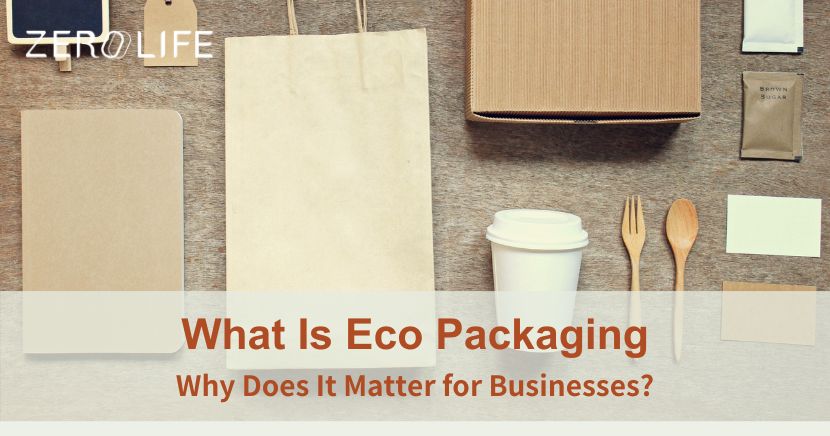
Greetings! As someone who has been increasingly mindful of my daily choices and their impact on the planet, I realized how significant packaging is in both local and global efforts toward sustainability. It’s not just about what we use but how it’s made and disposed of—and that’s where eco packaging comes into play. By choosing sustainable packaging, businesses and consumers alike can drastically reduce plastic waste, lower their environmental footprint, and contribute to a healthier Earth for future generations.
Eco packaging is more than just a trending buzzword—it’s a sustainable alternative to traditional packaging materials that harm our environment. In this post, I’ll explore the concept of eco packaging, focusing on the innovative role of plant fiber meal boxes. With businesses striving for greener solutions, the switch to eco-friendly packaging offers tangible benefits, including reduced waste, support for global sustainability efforts, and enhanced consumer appeal.
What Is Eco Packaging?
Eco packaging refers to packaging materials that are designed with environmental sustainability in mind. Unlike traditional plastics and non-biodegradable materials, eco-friendly packaging comes from renewable, biodegradable, or recyclable sources. Its primary goal is to minimize waste and reduce pollution while ensuring functionality and convenience.
Key Characteristics of Eco Packaging
Eco packaging stands out due to its unique characteristics that benefit both the environment and the user. Below are some of its defining features:
- Made from renewable materials like plant fibers, bamboo, paper, or even algae.
- Biodegradable or compostable, breaking down naturally with minimal environmental harm.
- Lightweight yet durable, ensuring protection for the product without excess material use.
- Supports a circular economy by encouraging recycling and reuse.
Why Does Eco Packaging Matter?
Eco packaging matters globally because of its ability to tackle key environmental concerns. Here’s why it’s a game changer:
- Plastic Waste Reduction: Plastic pollution clogs our oceans, harming marine life. By using biodegradable packaging, businesses can cut down on plastic waste considerably.
- Lower Carbon Footprint: Many eco-friendly materials, such as plant-based options, require less energy to produce and emit fewer greenhouse gases.
- Consumer Demand: Increasingly, consumers opt to buy from brands that prioritize sustainability, meaning eco-friendly packaging can enhance a business’s appeal.
The Role of Plant Fiber Meal Boxes in Eco Packaging
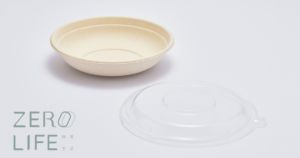
One of the most innovative examples of eco-friendly packaging is the plant fiber meal box. These meal boxes are crafted from agricultural waste, like sugarcane bagasse or wheat straw, offering a sustainable alternative to single-use plastics or Styrofoam. I’ve personally used these, especially for takeout and picnics, and they’re not only practical but also environmentally responsible.
For customized eco-friendly packaging solutions, join our official Line account for direct inquiries!
Benefits of Plant Fiber Meal Boxes
Plant fiber meal boxes stand out in the eco packaging space. Here’s why they matter:
- Sustainability: Since they’re made from natural plant residues, these boxes reduce reliance on virgin materials.
- Biodegradability: Unlike plastic containers, plant fiber meal boxes decompose naturally in composting conditions within a few weeks, leaving no toxic residue.
- Safe for Food: They’re free from harmful chemicals like BPA, making them safe for storing hot or cold meals.
- Convenience: Lightweight yet sturdy, they’re perfect for on-the-go meals and require no double wrapping to prevent leaks.
How Businesses Can Benefit
Incorporating plant fiber meal boxes into a business model isn’t just good for the planet—it makes sense strategically too. Here are some actionable benefits for businesses:
- Meeting Consumer Expectations: Eco-conscious customers are more likely to purchase from brands that align with their values.
- Reducing Operational Costs: Many governments and local authorities encourage or mandate the use of eco-friendly materials, saving businesses from fines or penalties.
- Enhancing Brand Reputation: Publicly adopting sustainable practices helps position your brand as a leader in environmental responsibility.
If you’re running a food business or restaurant, swapping out Styrofoam or plastic containers for plant fiber meal boxes sends a strong message: You care not only about the quality of your food but also the future of the planet.
Implementing Eco Packaging in Your Business
Switching to eco packaging, like plant fiber meal boxes, can feel daunting at first, but trust me—it’s easier than it seems with the right approach. Here are some practical tips:
Partner with Trusted Suppliers
Finding reliable suppliers is key to sourcing high-quality eco-friendly materials. Do your research, vet suppliers, and consider certifications like FSC (Forest Stewardship Council) for assurance of sustainable sourcing.
Start Small, Scale Gradually
If switching completely to eco packaging feels overwhelming, start with specific products or departments. For example, introduce plant fiber meal boxes alongside plastic ones before phasing out non-sustainable options.
Educate Your Staff and Customers
Incorporate eco-conscious messaging in your branding, and educate your team about the importance of using sustainable packaging. Customers will also appreciate signage or labels that explain your commitment to the environment.
Collaborate with Local Recycling or Composting Programs
If you’re using biodegradable or compostable packaging, align with local waste management programs to ensure proper disposal. Encourage customers to recycle or compost responsibly too.
Conclusion: Why Eco Packaging Is the Future
In a time of environmental urgency, transitioning to eco packaging—especially innovative materials like plant fiber—represents a crucial step towards sustainability. Not only does eco packaging help reduce waste and pollution, but it also empowers businesses to stand out as leaders in the green movement. By making thoughtful choices, we can drive impactful change that benefits both the planet and our communities.
I encourage you all to look for ways to embrace eco packaging in your personal and professional lives. Making small adjustments today can lead to meaningful results tomorrow—and together, we can build a more sustainable future. Let’s start one plant fiber meal box at a time!
For customized eco-friendly packaging solutions, join our official Line account for direct inquiries!