Here’s the WordPress-optimized content:
—
Hi there! Have you ever stopped to think about how much food packaging we go through in a day? Boxes, containers, wrappers—all meant to serve a short-term purpose but leaving a long-term impact on our planet. Today, I want to talk about sustainable packaging, specifically plant fiber meal boxes, and how they’re revolutionizing the way we think about eco-friendly living. It’s an exciting step toward reducing plastic waste and rethinking the way we treat our environment.
Sustainable packaging is no longer just a buzzword—it’s becoming a necessity. With the growing environmental crisis, adopting alternatives like plant fiber meal boxes is one of the simplest yet impactful ways to go green. These innovative, biodegradable containers provide a practical, guilt-free solution for transporting and storing food. In this guide, I’ll walk you through everything you need to know about sustainable packaging, focusing on why plant fiber meal boxes are a game changer for both businesses and individuals who want to minimize their impact on the environment.
What Is Sustainable Packaging?
Sustainable packaging refers to packaging solutions designed to have a reduced environmental footprint throughout their lifecycle. It’s packaging that’s recyclable, reusable, or biodegradable, using materials that are safe for people and the planet. The goal? To minimize waste generation, lower reliance on non-renewable resources, and combat pollution.
What Makes Packaging Unsustainable?
The traditional packaging materials we rely on, like plastic and Styrofoam, cause a myriad of environmental challenges. They take hundreds, sometimes thousands of years to decompose, filling up landfills and polluting our oceans. Worse, the production of these materials emits significant carbon, contributing to global climate change.
Sustainable packaging, on the other hand, uses materials like plant fibers, bamboo, or even compostable plastics that break down much faster and don’t leach harmful chemicals into the ecosystem.
How Plant Fiber Meal Boxes Are Leading the Green Revolution
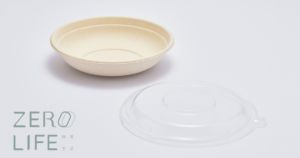
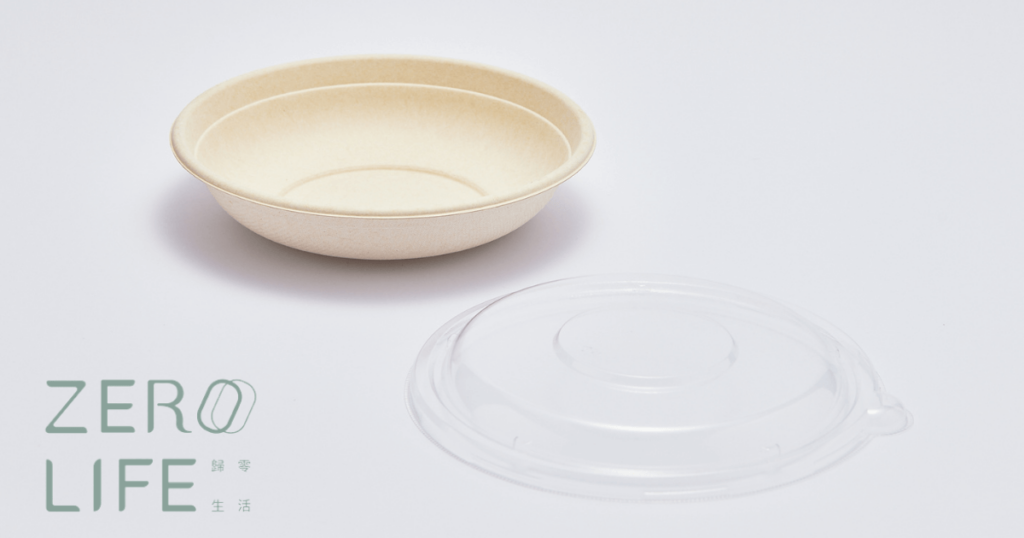
One of the most exciting developments in sustainable packaging is the rise of plant fiber meal boxes. These eco-friendly alternatives to traditional takeout containers are made from renewable, biodegradable materials like sugarcane bagasse, wheat straw, and bamboo pulp. Not only are they planet-friendly, but they’re also incredibly practical for everyday use.
Benefits of Plant Fiber Meal Boxes
Plant fiber meal boxes come with a host of benefits that make them an excellent choice for environmentally conscious individuals and businesses alike.
- Biodegradability: Unlike plastic containers, plant fiber boxes decompose naturally in the environment, often breaking down in just a few months.
- Made from Renewable Resources: Materials like sugarcane bagasse are by-products of agricultural processes, ensuring no additional resources are depleted.
- Non-Toxic: These containers are safe for direct contact with food and don’t release harmful chemicals when disposed of.
- Compostability: Many plant fiber meal boxes can be composted at home or through industrial facilities, turning into nutrient-rich soil over time.
- Durability: Despite being biodegradable, these containers are sturdy enough to handle hot and cold foods without leaking or collapsing.
Practical Uses of Plant Fiber Meal Boxes
Plant fiber meal boxes aren’t just for eco-lovers; they’re for everyone. Here are some practical ways you can incorporate them into your daily life:
- Takeout and Delivery: Next time you order takeout, ask if the restaurant uses biodegradable packaging. Many businesses are making the switch.
- Meal Prep: Store your weekly meals in plant fiber boxes. They’re freezer-safe and won’t harm the environment when disposed of.
- Event Catering: Hosting a party? Serve food in plant fiber plates and meal boxes. They’re stylish, sustainable, and save you clean-up time!
Why Businesses Should Make the Switch to Sustainable Packaging
If you’re a business owner—especially in the food and beverage industry—you might wonder why switching to sustainable packaging like plant fiber meal boxes is worth your time and investment. Here’s the deal: going green is no longer optional. Consumers are demanding it.
Key Benefits for Businesses
- Enhanced Brand Image: Consumers increasingly choose brands that prioritize sustainability.
- Meeting Legislation: Many countries are introducing laws that restrict single-use plastics.
- Cost-Effectiveness: As demand rises, plant fiber packaging is becoming more affordable.
- Diversified Customer Base: Eco-conscious consumers are loyal, and making the switch is a surefire way to attract them.
Businesses that embrace sustainable packaging today position themselves as forward-thinking leaders tomorrow, setting themselves apart in a competitive market.
How You Can Start Using Plant Fiber Boxes Today
The best part about switching to plant fiber meal boxes is how easy it is. You don’t have to overhaul your entire lifestyle or business practices overnight—small steps make a big difference. Here’s how to get started:
For Individuals:
- Look for local stores or online retailers that sell plant fiber containers to use for your meals.
- Encourage your favorite restaurants to adopt sustainable packaging for their takeout orders.
- Use biodegradable meal boxes for picnics, parties, and road trips to replace disposable plastic options.
For Businesses:
- Partner with suppliers of sustainable packaging to find solutions tailored to your needs.
- Educate employees and customers on your efforts to reduce waste and embrace eco-friendly practices.
- Advertise your use of biodegradable packaging—use it as a selling point to attract conscious consumers.
The Future of Sustainable Packaging
The adoption of sustainable packaging like plant fiber meal boxes is only the beginning. As technological advancements continue to improve materials and manufacturing processes, we’re bound to see even more innovative solutions that prioritize the health of our planet.
By making conscious decisions today—whether as individuals or businesses—we have the power to protect the Earth for future generations. Sustainable packaging isn’t just about reducing waste; it’s about building a more responsible, compassionate relationship with our environment. So let’s ditch the excuses (and the plastic) and choose greener solutions starting now!
—
What do you think about sustainable packaging? Do you already use eco-friendly options in your daily life or business? Let me know in the comments—I’d love to hear your thoughts! Together, we can make a difference. 🌍