Sustainable Food Packaging Solutions: Embracing a Greener Future
The growing issue of plastic pollution has made sustainability an urgent priority for businesses globally. Every time I see images of littered landscapes or ocean-dwelling animals entangled in debris, it deepens my commitment to finding alternative packaging solutions. For businesses in the food industry, the packaging used daily has a powerful impact on the environment. By shifting to eco-friendly options like plant fiber meal boxes, we can significantly reduce plastic waste, protect natural ecosystems, and meet the growing global demand for sustainable living.
Why Choose Sustainable Food Packaging Solutions?
Sustainability is no longer a niche topic—it’s a global movement that is shaping consumer expectations and business practices alike. As I’ve discovered in my journey toward eco-conscious living, implementing sustainable food packaging in your business, such as plant fiber meal boxes, offers several benefits:
- Minimizing your environmental footprint by replacing traditional plastics with biodegradable materials.
- Attracting eco-conscious customers who prioritize businesses supporting sustainable practices.
- Complying with international regulations banning or reducing single-use plastics.
- Enhancing your brand’s reputation as socially responsible and forward-thinking.
- Providing a functional, reliable alternative without compromising the utility of traditional packaging.
In this article, I’ll share practical, actionable recommendations to implement plant fiber meal boxes in your operations and discuss why they’re a powerful sustainable packaging solution.
Understanding Plant Fiber Meal Boxes
What Are Plant Fiber Meal Boxes?
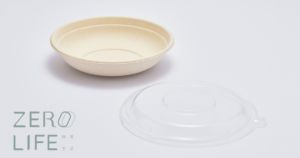
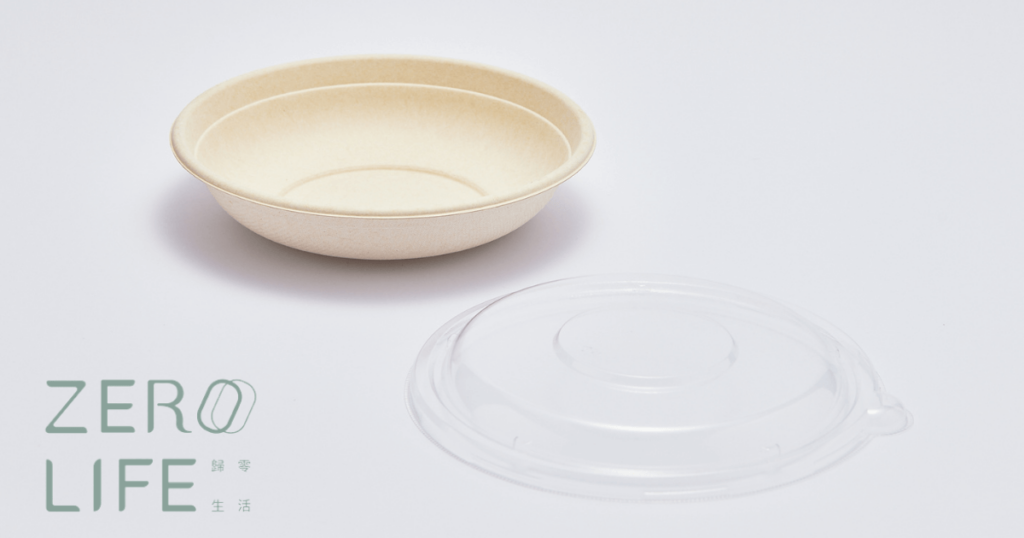
Plant fiber meal boxes are an innovative alternative to traditional plastic packaging. Made from agricultural residues like bagasse (sugarcane waste), bamboo fibers, or wheat straw, these containers are designed to be biodegradable and compostable. The beauty of using plant by-products is that they take materials that would otherwise go to waste and turn them into something functional and eco-friendly.
From a practical standpoint, I’ve found that they are just as durable and heat-resistant as plastic or Styrofoam boxes, making them ideal for restaurants, takeout services, and catering businesses. Plus, their natural decomposition process ensures they break down into organic matter within weeks when appropriately disposed of.
Advantages of Plant Fiber Meal Boxes Over Plastic
When comparing plant fiber meal boxes to traditional plastic or Styrofoam options, the difference is astounding:
- Eco-Friendly: Unlike plastic, plant fiber containers decompose completely, leaving no harmful residue behind.
- Non-Toxic: Free from harmful chemicals often used in plastics, such as BPA and polyethylene additives.
- Versatility: Suitable for hot and cold foods, liquids, and even microwavable purposes.
- Waste Reduction: Contributes to the circular economy by reusing agricultural by-products and minimizing landfill waste.
For businesses looking to embrace sustainable food packaging solutions, plant fiber meal boxes offer a harmonious blend of functionality and responsibility.
How to Integrate Sustainable Food Packaging Solutions Into Your Business
I understand—it’s not always easy to make operational changes, especially when costs and logistics come into play. However, based on my own research and conversations with business owners, I’ve realized there are manageable steps to start your transition toward sustainable packaging:
1. Perform a Packaging Audit
Start by assessing your current packaging practices. How much plastic waste is your business generating weekly? Which packaging components could be swapped for plant fiber alternatives? Having clear data can guide your sustainable strategy more effectively.
2. Partner With Trusted Suppliers
One of the critical lessons I’ve learned is the value of partnering with reliable eco-packaging suppliers. Look for certified vendors who provide plant fiber meal boxes that meet international standards for compostability and sustainability.
3. Train Your Staff
It’s important for your team to understand why these changes matter. Hold training sessions explaining the benefits of plant fiber meal boxes and how they contribute to your brand’s mission of sustainability.
4. Communicate With Your Customers
I’ve seen firsthand how customers respond positively when businesses take meaningful steps to reduce waste. Let your patrons know why you’re investing in sustainable food packaging. You can include signage, add messaging to your website, or even post updates on social media to spread awareness.
5. Incentivize Recycling or Composting
Make disposal easy for end-users by encouraging proper recycling or composting. Consider offering discounts to customers who bring your packaging boxes to designated compost bins or return areas.
Real-World Applications of Plant Fiber Meal Boxes
Cafes and Restaurants
Many cafes and restaurants across the globe have already swapped Styrofoam and plastic containers for plant fiber packaging. For example, I recently visited a café that served their entire takeout menu in bamboo-fiber boxes. Not only did the meals feel premium thanks to the packaging, but I also felt reassured knowing that my purchase wasn’t contributing to excess waste.
Catering and Events
Since plant fiber meal boxes are versatile and aesthetically pleasing, they’re an excellent option for catered events. Businesses are adopting them as single-use solutions that align with the growing trend of green weddings, conferences, and corporate gatherings. I’ve personally used them myself for a small gathering, and the feedback from guests was overwhelmingly positive.
Corporate and International Success Stories
Globally, sustainability champions like Burger King and Starbucks have piloted plant fiber-based packaging in select markets. Watching large corporations embrace these solutions gives smaller businesses a roadmap to follow while proving that eco-conscious shifts are scalable.
The Bigger Picture: A Call to Action
The shift to sustainable food packaging solutions goes beyond just reducing waste—it’s about cementing a commitment to protecting our planet for future generations. I firmly believe that businesses have the power to catalyze change by opting for innovative, eco-friendly practices like plant fiber meal boxes.
When businesses lead by example, it inspires communities to normalize sustainability. It also paves the way for a future where eco-friendly products are the norm, not the exception. From my perspective, every step we take—however small—helps push us toward a cleaner, greener tomorrow.
Conclusion
Switching to sustainable food packaging solutions, like plant fiber meal boxes, is a win for businesses, customers, and the environment. These small yet impactful changes foster trust, loyalty, and a cleaner planet.
I encourage every business owner to take stock of their packaging choices today and explore eco-alternatives that meet functional needs while protecting our planet. Remember: sustainable living isn’t just a trend; it’s the responsibility of every one of us. Let’s make this change together, one meal box at a time. Wouldn’t you agree it’s time to act?