In today’s world, where environmental concerns have taken center stage, adopting sustainable practices isn’t just an ethical choice; it’s a necessity. One area where this need is urgent is food packaging. As plastic waste continues to harm ecosystems worldwide, more businesses and individuals are turning toward sustainable food packaging solutions. With small changes, like switching to plant fiber meal boxes, we can reduce waste, improve sustainability, and even cut costs—a big win for both the planet and your wallet.
Switching to sustainable food packaging solutions, particularly plant fiber meal boxes, makes a huge difference in reducing your carbon footprint. With their biodegradable and compostable nature, they provide a practical alternative to plastic packaging, aligning with eco-friendly living principles. Not only are these packaging options better for the environment, but they also often come with cost-saving opportunities, especially for businesses. Whether you’re a consumer or a food service professional, these solutions empower you to make a positive impact on the environment while remaining practical and affordable.
Sustainable Food Packaging Solution: Why Plant Fiber Meal Boxes Are the Future
As someone who has been exploring sustainable living for years, I’ve seen the overwhelming need for better food packaging options. Plastic waste accounts for a significant portion of environmental pollution, and traditional food packaging doesn’t help the issue. That’s where plant fiber meal boxes come in, offering a sustainable food packaging solution that aligns with a greener future.
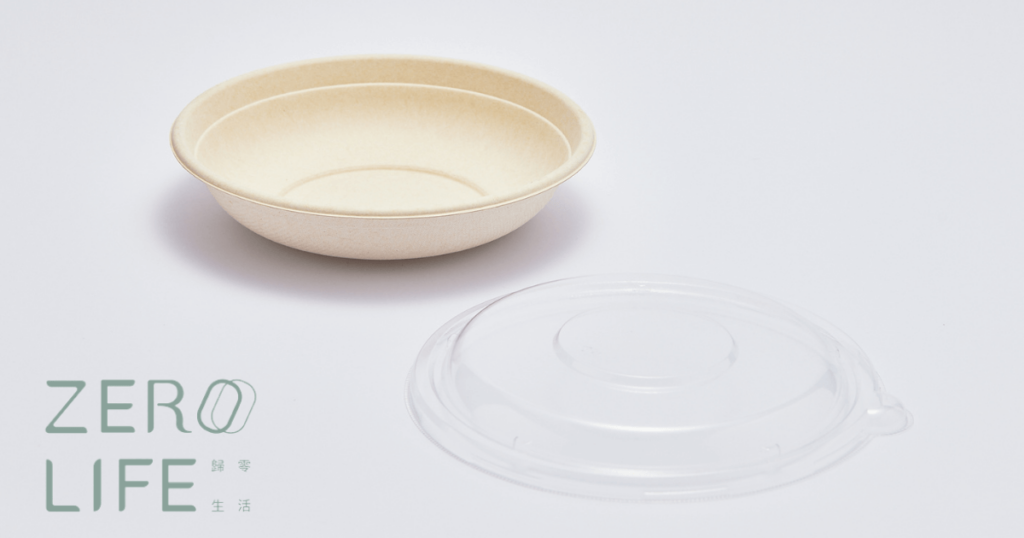
Plant fiber meal boxes are made from agricultural by-products such as sugarcane bagasse, wheat straw, and bamboo fibers. These materials are abundant, renewable, and biodegradable, making them a perfect eco-friendly alternative to plastic. Instead of taking centuries to break down (as plastic does), plant fiber products decompose naturally, leaving no harmful toxins behind. This makes them ideal for composting, ensuring a closed-loop lifecycle.
Benefits of Switching to Plant Fiber Meal Boxes
So, why choose plant fiber meal boxes over traditional materials? The benefits are numerous, and they extend beyond environmental impact.
- Biodegradable and Compostable: Plant fiber meal boxes break down naturally, reducing landfill waste and pollution. In industrial composting facilities, these boxes decompose even faster, turning waste into nutrient-rich compost.
- Versatile and Sturdy: These boxes are heat-resistant, freezer-safe, and durable, making them suitable for both hot and cold food items. Unlike flimsy paper or Styrofoam options, plant fiber meal boxes maintain their integrity, even when holding liquids.
- Improved Brand Image: For businesses, adopting sustainable food packaging solutions signals a commitment to environmental responsibility, which resonates strongly with socially-conscious consumers.
- Cost-Efficiency: Especially with growing economies of scale, plant fiber meal boxes are becoming increasingly affordable. Many suppliers offer discounts on bulk purchases, making the transition easier for businesses.
Sustainable Food Packaging Solution: Practical Applications for Every Lifestyle
One of the reasons I love plant fiber meal boxes is their versatility. They’re not only ideal for eco-conscious families but also for businesses, caterers, and individuals looking to reduce waste in a convenient way. Here are some practical ways you can incorporate these eco-friendly options into your daily life or business strategy:
1. For Personal Use
As a busy person, I often relied on disposable plastics for meals on the go—until I found plant fiber meal boxes. They’re excellent for packing leftovers, meal prepping, or taking snacks on road trips. I even use them when hosting small gatherings at home, as they simplify cleanup without causing harm to the environment.
2. For Businesses
If you own a restaurant, café, or catering business, switching to plant fiber meal boxes can revolutionize your operations. Many food service providers now offer these as a standard takeaway or delivery solution. Bonus: eco-friendly packaging appeals to the growing demographic of environmentally-aware consumers. In fact, a recent study revealed that 67% of customers prefer purchasing from brands with sustainable practices.
3. For Events and Gatherings
Plant fiber meal boxes are an excellent option for parties, weddings, or corporate events. Not only do they look great with a natural aesthetic, but they’re also easy to dispose of responsibly. Encourage your guests to compost them after use, and you’ve got a zero-waste event!
Sustainable Food Packaging Solution: How to Reduce Costs Without Compromising Quality
If cost is holding you back from making the switch to sustainable food packaging, don’t worry—there are ways to lower expenses while still prioritizing eco-friendly options. Here’s what’s worked for me and countless others:
Step 1: Buy in Bulk
For businesses, ordering plant fiber meal boxes in bulk can significantly reduce the per-unit cost. Most suppliers offer discounts for larger quantities, making the switch not only environmentally conscious but also economically smart. Besides, storing these boxes is easy since plant fiber materials aren’t affected by humidity or temperature changes like some other packaging types.
Step 2: Partner with Local Suppliers
Shipping costs and carbon footprints often increase when sourcing from distant suppliers. Look for local companies producing plant fiber meal boxes. Not only does this cut down costs, but it also ensures you’re supporting eco-friendly businesses within your region.
Step 3: Educate Customers
When businesses inform customers about the benefits of sustainable packaging, they’re often willing to pay a small premium for it. Being transparent and showcasing your commitment to sustainability can build loyalty and even attract new customers who share the same values.
Step 4: Minimize Packaging Waste
Another way to reduce costs is by optimizing how much packaging you actually use. Consolidate multiple items into one container whenever possible, and explore creative solutions to minimize material use. Remember, less is more!
The Future of Sustainable Food Packaging Solutions
As I reflect on this journey toward sustainability, one thing is clear: change happens when each one of us takes small steps. Transitioning to plant fiber meal boxes is an excellent starting point, whether you’re an individual packing lunch or a business serving hundreds of meals daily. By embracing innovative packaging solutions, we not only protect the planet but also create a legacy of responsible living for generations to come.
Switching to sustainable food packaging doesn’t have to be difficult or expensive. With options like plant fiber meal boxes now readily available, it’s easier than ever to make the eco-friendly choice. I hope this article inspires you to take the plunge and explore these incredible solutions. The Earth will thank you for it, and so will your budget!