
Hello readers! I’m so excited to share with you something that could truly make a positive impact on our planet—sustainable food packaging. We all know the damage caused by single-use plastic waste, but thankfully, the world is shifting toward eco-friendly, innovative options. Today, I’ll unpack some fascinating alternatives you should know about, and together, we can take one more step toward reducing our environmental footprint while maintaining convenience.
The journey toward sustainable living begins with small but meaningful changes. If you’re like me and care about protecting our planet, discovering greener alternatives for everyday packaging is essential. One standout newcomer in the sustainability space is plant fiber meal boxes—an elegant fusion of functionality, durability, and eco-conscious design. Let’s dive into how these can help reduce plastic waste, protect the environment, and support a cleaner future.
—
Understanding Sustainable Food Packaging
Sustainable food packaging plays an essential role in tackling the global plastic pollution crisis. These innovative solutions use natural, biodegradable, or recyclable materials to reduce waste and protect our ecosystems. What I love most about sustainable packaging is that it shows how even small choices—like swapping out plastic containers—can spark meaningful change.
Why We Need Sustainable Packaging
As the world produces over **300 million tons of plastic annually**, much of it endangers wildlife and pollutes our oceans. Traditional plastic takes hundreds of years to decompose, but sustainable options break down much faster—or can be easily recycled. They not only reduce waste but also minimize the carbon footprint of production and disposal.
With growing awareness, businesses and consumers alike are embracing greener alternatives. One standout trend is plant-based, eco-friendly meal boxes, which are carving a space in the fight against waste. Let me walk you through some practical reasons why these materials are here to stay.
—
7 Innovative Sustainable Food Packaging Materials You Should Know About
1. Plant Fiber Meal Boxes
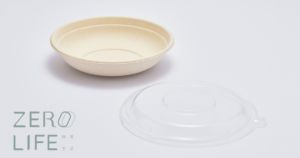
Plant fiber meal boxes are at the forefront of sustainable packaging. Made from fibers like sugarcane bagasse, wheat straw, or bamboo, they’re compostable, sturdy, and perfect for holding food securely. I’ve personally used these for meal prep, and they’re just as functional as plastic—but so much better for the planet.
- Eco-Friendly Composition: Derived from renewable agricultural by-products, plant fibers decompose in just a few weeks under proper composting conditions.
- Durability: Despite their eco-conscious material, these meal boxes are heat-resistant, leak-proof, and ideal for both hot and cold meals.
- Common Uses: Whether for takeout, catering, or everyday meal prep, they’re versatile enough to replace Styrofoam or plastic containers.
2. Mushroom Packaging
This one amazed me—packaging made from mushrooms! Mushroom packaging uses agricultural waste combined with mycelium (the root-like structure of fungi). It’s biodegradable, easily compostable, and surprisingly durable.
- Unique Properties: Mushroom packaging is lightweight and can outperform some types of hard plastics in durability tests.
- Perfect for Fragile Items: Ideal for protecting glass jars, bottles, or electronics during shipping, as it cushions delicate items.
- Zero Waste Guarantee: It fully decomposes within 30 to 60 days after disposal, leaving behind no harmful residue.
3. Edible Films and Coatings
How cool is it that your food’s packaging can double as a snack? Made from natural ingredients like seaweed, starch, or milk proteins, edible films are one of the most innovative sustainable packaging alternatives.
- Applications: Commonly used for wrapping items like sandwiches or covering processed snack foods.
- Eco-Friendly Impact: Completely edible and biodegradable, they generate zero waste.
- Industries Adopting This Innovation: Health food companies and artisan manufacturers leverage these coatings to showcase their commitment to sustainability.
4. Seaweed-Based Packaging
Seaweed isn’t just for sushi lovers—it’s gaining traction as a durable, eco-conscious packaging material. I came across startup companies making seaweed-based pouches and film, and they look promising.
- Biodegradable and Fast-Decomposing: Seaweed packaging can break down naturally in just 4 to 6 weeks in soil or water.
- Water Solubility: Some varieties dissolve in water, making it a great option for instant food products.
- Sustainability Factor: Seaweed grows rapidly, requires no fertilizers, and doesn’t compete with staple crops for resources.
5. Recycled Cardboard and Paper Packaging
Sometimes simple solutions are the most effective. Recycled cardboard and paper are tried-and-true materials that remain a cornerstone of green food packaging.
- Applications: Widely used for food cartons, beverage holders, and takeout containers.
- Eco-Friendly Features: Fully recyclable and made from post-consumer waste, they eliminate the need for virgin materials.
- Strength and Reliability: Nearly as durable as plastic when treated to resist moisture.
6. Bioplastics
Bioplastics are made from renewable biomass sources, such as corn starch or vegetable fats. While they’re not a perfect solution, they can significantly reduce plastic dependence.
- Applications: Often used for disposable cups, utensils, and packaging liners.
- Compostable Options: Some bioplastics are industrially compostable under controlled conditions.
- Room for Improvement: While better than petroleum-based plastics, bioplastics still require careful disposal systems to avoid contaminating recycling streams.
7. Palm Leaf Plates and Bowls
Ever dined with plates made from fallen leaves? Palm leaf tableware isn’t just chic but also sustainable. I’ve seen them used at eco-conscious events and wish they were mainstream everywhere!
- Natural Manufacturing: Made by pressing fallen palm leaves without additives or chemicals.
- Compostable and Biodegradable: Breaks down naturally within 3 to 6 months in home compost systems.
- Ideal Usage: Best for serving meals or snacks at parties, picnics, or outdoor gatherings.
—
Bringing Sustainable Food Packaging into Your Life
Switching to sustainable food packaging doesn’t have to disrupt your lifestyle. Here’s how you can start incorporating eco-friendly options:
- At Home: Swap single-use plastics for plant fiber meal boxes or reusable glass containers for storing leftovers.
- When Dining Out: Support restaurants that use compostable meal boxes or allow you to bring your own containers.
- While Shopping: Choose products with minimal or eco-friendly packaging to encourage brands to prioritize sustainability.
By actively seeking out greener alternatives, you’ll not only reduce waste but also inspire others in your community to do the same.
—
Final Thoughts on Sustainable Food Packaging
Adopting sustainable food packaging is one of the simplest yet most impactful ways we can protect the environment. From plant fiber meal boxes to innovative options like mushroom or seaweed packaging, each alternative provides practical benefits with a significantly reduced ecological footprint. As I integrate more of these materials into my life, I’m thrilled to see how they enhance convenience without harming the planet.
Let’s work together to choose products that align with our values and step toward a more sustainable future. Every meal you pack, every takeout box you choose, and every eco-friendly decision you make has a ripple effect. What eco-friendly packaging materials are you excited about? Share your thoughts below—I’d love to hear them!