There’s no denying it—plastic waste has become one of the biggest environmental challenges of our time. But the good news is that individuals and businesses are now exploring sustainable alternatives. One solution that’s garnering attention globally is pulp packaging. Made from renewable materials like plant fibers, this eco-friendly option is reshaping industries, reducing environmental harm, and paving the way for a more sustainable future. Let me share why pulp packaging has captured so much interest and how it’s making a real difference.
As businesses worldwide strive for sustainable innovation, pulp packaging has emerged as a game-changing solution. This biodegradable, renewable, and eco-friendly packaging option offers practical benefits for both consumers and companies. From reducing carbon footprints to offering versatile functionality, plant fiber meal boxes and other pulp-based products are setting a new standard. Whether you’re an eco-conscious consumer or a forward-thinking entrepreneur, here’s why this green alternative could transform the way we approach packaging.
What Is Pulp Packaging and Why Does It Matter?
Pulp packaging refers to a type of packaging made from natural, biodegradable materials like recycled paper, cardboard, or plant fibers. Unlike plastic, which can take hundreds of years to decompose, pulp packaging breaks down naturally in composting environments. Its production and disposal processes are designed to minimize environmental impact and promote sustainability.
Why Businesses Are Moving Away from Plastic
The shift to pulp packaging isn’t just a trend—it’s a necessary response to mounting concerns about plastic pollution. Here’s why businesses are making the switch:
- Environmental Impact: Traditional plastic packaging contributes to landfills and ocean pollution, often harming wildlife and disrupting ecosystems. Pulp-based solutions, on the other hand, decompose much faster and are safer for the environment.
- Regulatory Pressure: Governments worldwide are implementing strict bans and taxes on single-use plastics. Businesses are adopting alternatives like pulp packaging to remain compliant and avoid penalties.
- Consumer Demand: More customers are choosing brands that align with their values, particularly those emphasizing eco-friendliness. Offering sustainable packaging can directly influence consumer loyalty and brand reputation.
Benefits of Pulp Packaging for Businesses
So, why has pulp packaging become the preferred choice for so many industries? It provides a host of benefits that go far beyond environmental responsibility.
1. Biodegradable and Compostable
One of the standout features of pulp packaging is its ability to break down in natural environments. Unlike plastic, which clogs landfills for centuries, pulp packaging decomposes quickly. Many products are labeled compostable, meaning they can even enrich soil rather than pollute it.
2. Cost-Effective Long-Term Solution
While the initial cost of pulp packaging may appear higher than traditional plastics, it offers significant savings in the long term. Reduced waste management costs, avoidance of plastic taxes, and the potential for tax benefits on sustainable initiatives make it a smart financial choice.
3. Versatility Across Industries
Pulp packaging isn’t limited to food containers or meal boxes. Its versatility means it can be used for:
- Electronics packaging that cushions sensitive devices
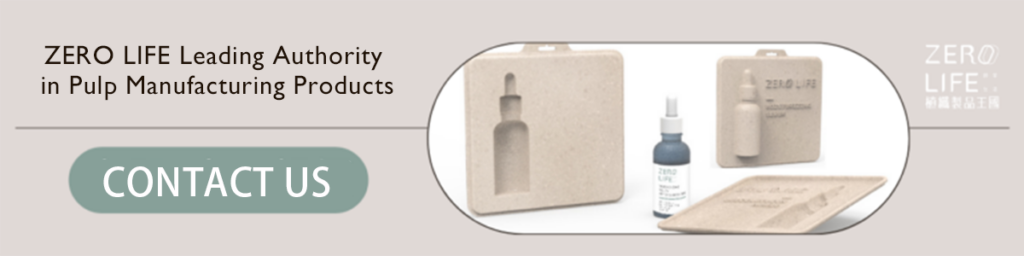
- Cosmetic containers for eco-conscious beauty brands
- Retail packaging for shoes, clothing, and accessories
No matter your market, pulp packaging can fit seamlessly into your product offerings.
4. Branding Opportunities
Eco-friendly packaging allows businesses to tell a compelling brand story about sustainability. Customized pulp packaging can be printed with logos or messaging that reinforces your company’s commitment to the planet. This not only improves customer perception but also differentiates your brand in crowded markets.
Plant Fiber Meal Boxes: Elevating the Food Industry
It’s impossible to discuss pulp packaging without highlighting its impact on the food industry. Plant fiber meal boxes are one of the most widely used examples, offering an eco-conscious alternative to traditional Styrofoam or plastic containers.
Why Restaurants and Cafes Are Embracing Plant Fiber Meal Boxes
Restaurants, cafes, and takeout services around the world are turning to meal boxes made of plant fibers for several reasons:
- Food Safety and Insulation: These boxes are designed to keep food fresh and at the right temperature, ensuring a better customer experience.
- Greener Disposal: Many consumers now prefer takeout and delivery options with recyclable or biodegradable packaging. Plant fiber meal boxes fit these requirements perfectly.
- Aesthetic Appeal: Let’s face it—the earthy look and feel of these boxes resonate with eco-conscious diners and look far more modern than outdated plastic containers.
How You Can Support Sustainable Dining
As a consumer, your choices can drive demand for greener options in the food industry. Here’s how you can support sustainable dining:
- Choose restaurants and cafes that use compostable meal boxes over plastic alternatives.
- Encourage your favorite local eateries to switch to eco-friendly packaging by expressing interest in sustainability.
- Properly dispose of pulp-based meal boxes by recycling or composting them when possible.
How Pulp Packaging Is Changing the Future
Pulp packaging represents more than just a packaging solution—it’s a symbol of the innovations driving environmental progress. By choosing materials that are renewable, biodegradable, and compostable, businesses and consumers alike are contributing to a world where sustainability becomes the norm, not the exception.
Real-World Success Stories
Several companies around the world have already embraced pulp packaging and are reaping the benefits:
- Fast-Food Chains: Brands like McDonald’s and Starbucks have adopted pulp-based straws, lids, and containers to reduce reliance on plastic.
- E-Commerce Retailers: Packaging for online orders is increasingly being made with pulp materials to prevent waste from piling up in landfills.
- Cosmetics and Beauty Brands: Luxury brands are using pulp-based containers in their efforts to align with eco-friendly values while creating aesthetically pleasing products.
Businesses Leading the Green Revolution
Some forward-looking businesses are making pulp packaging a cornerstone of their operations. Join them in setting sustainability benchmarks, and watch as eco-conscious consumers flock to your brand. Whether you’re in retail, food services, or manufacturing, there’s a pulp-based solution waiting for you.
Final Thoughts: Making the Switch to Pulp Packaging
Switching to pulp packaging isn’t just about complying with regulations or keeping up with trends—it’s about doing the right thing for our planet. As someone who’s passionate about sustainability, I truly believe this shift is essential for building a greener future. If you’re a business owner, consider exploring how pulp packaging can align with your goals while serving your customers better. And as consumers, let’s continue to support companies that prioritize eco-friendly practices. Small actions add up, and together, we can make an enormous difference.