
Our lifestyle choices significantly impact the environment, but small changes can make a big difference. One such change is opting for eco-friendly packaging, and pulp lunch boxes are leading the charge in tackling plastic waste. These sustainable alternatives are made from plant fibers and offer a practical, affordable solution for takeaway meals, combining convenience with environmental responsibility. If you’re passionate about protecting the planet while enjoying your favorite meals on the go, here’s why pulp lunch boxes should be on your radar.
In a world where sustainability is no longer optional but a necessity, pulp lunch boxes offer a commendable way to reduce your environmental footprint. Made from renewable plant fibers, these biodegradable and compostable containers outperform plastic by a mile, supporting both the environment and your budget. Versatile, affordable, and incredibly functional, they’re ideal for individuals, businesses, and food service providers aiming for a greener future. Let’s explore how pulp lunch boxes are shaping the future of takeaway food packaging and why they’re the perfect fit for eco-conscious living.
What Are Pulp Lunch Boxes?
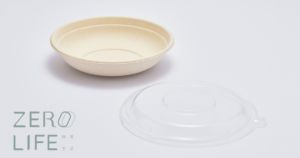
Pulp lunch boxes are eco-friendly food containers made from natural plant fibers, such as sugarcane bagasse, wheat straw, or bamboo. These fibers, which are often byproducts of agricultural processes, are repurposed into durable and lightweight containers that can handle hot and cold foods with ease. One of the biggest advantages of pulp lunch boxes is their ability to decompose naturally, leaving no harmful residue behind.
The Basics of Plant Fiber Packaging
Here’s why pulp lunch boxes are gaining widespread popularity:
- Biodegradable: They break down into organic compounds within a few weeks, making them an environmentally friendly alternative to plastic materials that can take centuries to decompose.
- Renewable: Since they’re made from agricultural byproducts, no new resources are depleted during production.
- Non-Toxic: Unlike plastic, they don’t contain harmful chemicals like BPA or phthalates, ensuring safer food storage and consumption.
Why Choose Pulp Lunch Boxes Over Plastic Containers?
Environmental Benefits of Pulp Lunch Boxes
Switching to plant fiber meal boxes offers a multitude of environmental advantages:
- Reduces Plastic Pollution: Traditional plastic containers often end up in landfills or the ocean, polluting ecosystems and harming wildlife. By replacing single-use plastics with pulp boxes, you significantly minimize plastic waste.
- Lower Carbon Footprint: The production process for pulp-based containers uses less energy and emits fewer greenhouse gases compared to plastic manufacturing.
- Supports Sustainability: Using agricultural byproducts to create these boxes reduces waste from farming activities, creating a circular economy that benefits both producers and consumers.
Functional Advantages of Pulp Lunch Boxes
Besides being eco-conscious, pulp lunch boxes are incredibly practical:
- Heat Resistance: They can safely store hot foods and liquids without losing their structure or leaching harmful chemicals into your meal.
- Versatility: From salads and sandwiches to soups and curries, these boxes can handle a variety of cuisines, making them suitable for any meal.
- Microwave and Freezer Safe: Pulp lunch boxes can be microwaved and frozen, offering flexibility for meal prep and storage.
- Customizable Designs: Businesses can easily brand these boxes with logos, strengthening their commitment to sustainability.
How to Incorporate Pulp Lunch Boxes into Your Daily Routine
For Individuals
Using pulp lunch boxes in your everyday life is simple and effective. Here are some suggestions:
- Meal Prep: Use the boxes to pack your lunches, reducing your reliance on disposable plastic baggies or Styrofoam containers.
- Takeaway Orders: When ordering food, ask if the restaurant offers eco-friendly packaging like plant fiber boxes. If they don’t, suggest it to encourage a shift towards sustainable alternatives.
- Parties & Events: Serving food in biodegradable boxes at your gatherings can reduce cleanup time and waste simultaneously.
For Food Service Businesses
Restaurants, cafes, and food delivery services can benefit greatly from switching to pulp lunch boxes:
- Enhance Brand Image: Customers are more likely to support businesses that show genuine concern for the environment.
- Cost Savings in the Long Run: While eco-packaging may slightly increase upfront costs, the environmental benefits and customer loyalty can result in greater profits over time.
- Compliance with Regulations: With many countries banning single-use plastics, switching to biodegradable options like pulp boxes ensures that your business stays ahead of regulatory changes.
Debunking Myths About Pulp Lunch Boxes
Are They Too Expensive?
One common concern about pulp lunch boxes is their cost. While they can be slightly pricier than cheap plastic containers, the difference is minimal, and the advantages far outweigh the costs. Many suppliers now offer competitive prices, especially when bought in bulk.
Do They Compromise on Quality?
Not at all! Pulp-based containers are surprisingly durable and leakproof, making them a reliable alternative to plastic. Their sturdy construction ensures that your food stays fresh and secure during transport.
Are They Widely Available?
Yes, more suppliers and retailers are embracing eco-friendly packaging due to increasing consumer demand. A quick online search will yield various options available in most countries worldwide.
Making the Switch to Pulp Lunch Boxes Today
Incorporating pulp lunch boxes into your daily life or business operations is a small yet impactful step toward a more sustainable future. By making this switch, you’re not just reducing waste but also supporting eco-conscious innovations that prioritize the well-being of our planet. Whether you’re packing your lunch, hosting an event, or running a food business, these biodegradable containers are an effective, affordable, and ethical choice.
The path to sustainability starts with informed decisions. By choosing plant fiber meal boxes over plastic, you’re contributing to a cleaner, greener world—one meal at a time. Let’s ditch the plastic and embrace a future filled with eco-friendly possibilities.