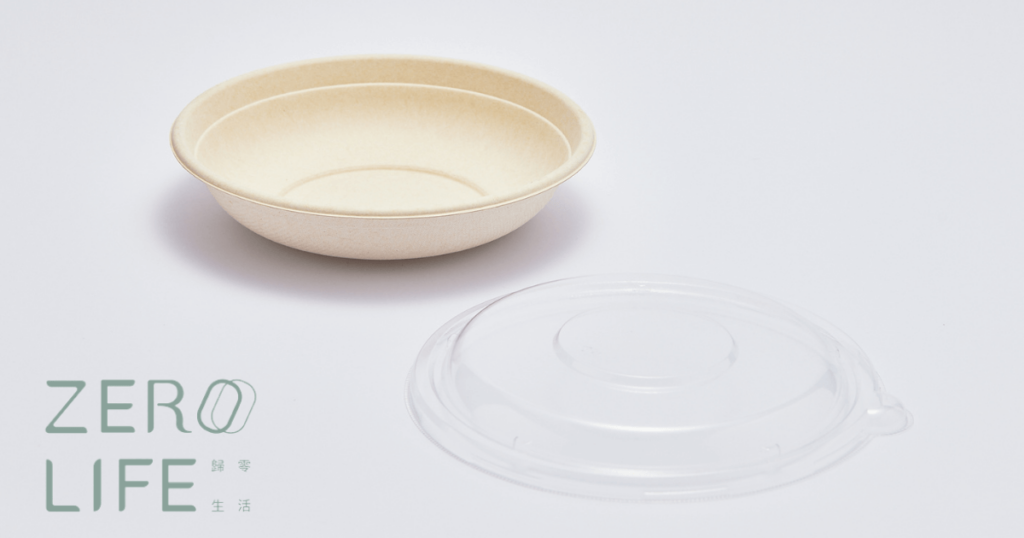
Pulp Lunch Boxes: An Affordable and Eco-Friendly Takeaway Solution
It’s no secret that the environmental crisis demands urgent action, and every choice—big or small—can contribute to a healthier planet. One such impactful change? Switching to eco-friendly packaging in everyday life. That’s where pulp lunch boxes stand out. As sustainable, affordable, and convenient alternatives to plastic, these plant fiber food containers are a step in the right direction for anyone committed to reducing waste and embracing green habits. Let’s explore why these innovative solutions deserve the global spotlight!
What Are Pulp Lunch Boxes and Why Should You Care?
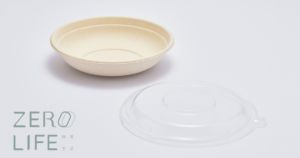
Pulp lunch boxes, also referred to as plant fiber meal boxes, are food containers made from natural, biodegradable materials like sugarcane bagasse or bamboo fibers. These fibers, typically discarded as agricultural waste, are repurposed into durable and eco-friendly products, significantly reducing landfill contributions.
Why are they worth considering? The harmful impact of single-use plastics on the environment is staggering. Ocean plastic pollution, greenhouse gas emissions from production, and microplastics infiltrating water sources all underscore the urgent need for alternatives. Pulp lunch boxes offer a sustainable solution by replacing non-degradable materials with plant-based ones.
Key Features of Pulp Lunch Boxes
What makes pulp lunch boxes so attractive is their thoughtful design and environmental benefits. Here’s why they stand out:
- Biodegradability: Unlike traditional plastic containers, pulp boxes decompose naturally in composting conditions, leaving no toxic residue behind.
- Durability: Despite being eco-friendly, these containers are sturdy enough to hold wet or oily meals without leaking, making them practical for any diet.
- Microwave Safe: Pulp lunch boxes can typically withstand moderate microwave heat, ideal for reheating food on the go.
- Customizability: Many brands offer customizable designs, allowing businesses to print logos or messages directly onto the packaging using non-toxic inks.
The Environmental Benefits of Switching to Pulp Lunch Boxes
Sustainability isn’t just a buzzword—it’s a necessity. Using pulp lunch boxes provides critical environmental benefits that anyone can feel good about. Let’s break it down further:
Reducing Plastic Waste
Single-use plastics dominate the packaging industry, accounting for an alarming percentage of global waste. Every pulp lunch box used in place of plastic diverts that waste. By switching to biodegradable containers, businesses and individuals can drastically reduce their contributions to ocean pollution and landfills. It’s a small change, but when adopted on a large scale, its impact is monumental.
Lowering Carbon Footprints
Plastic production is energy-intensive and reliant on fossil fuels. In contrast, pulp containers are often produced using agricultural by-products and renewable resources, making them inherently low-carbon solutions. Composting used containers further minimizes greenhouse gas emissions, as they degrade naturally without releasing methane (a potent greenhouse gas often emitted by decaying waste in landfills).
Encouraging Circular Economy Practices
The production and disposal processes for pulp lunch boxes align with the principles of a circular economy. By transforming waste fibers into resources and recycling them through composting, this packaging solution closes the loop, reducing dependence on virgin materials and ensuring minimal environmental harm.
Practical Applications: How to Use Pulp Lunch Boxes in Daily Life
From personal use to large-scale business operations, pulp lunch boxes are versatile and well-suited for various scenarios. Let’s look at some specific applications:
For Businesses in the Food Industry
Restaurant owners and caterers are a key audience for pulp lunch boxes. Whether you run a vegan café, a food truck, or a multi-location franchise, transitioning to sustainable packaging sends a powerful message to your customers. Some practical tips for businesses include:
- Rebranding takeaway menus to highlight the use of eco-friendly containers.
- Offering incentives to customers who reuse pulp boxes or bring them back for composting.
- Educating staff on the importance of sustainable packaging to build a strong commitment across the team.
Investing in compostable options like pulp lunch boxes not only helps reduce operational waste but also appeals to environmentally conscious customers—a win-win!
For Eco-Friendly Meal Prep
Meal prepping at home is another excellent way to incorporate pulp lunch boxes into your routine. These containers are ideal for:
- Storing leftovers in the refrigerator or freezer without worrying about staining or odor retention (common issues with plastic).
- Portioning meals for busy workweeks, allowing for a quick grab-and-go solution.
- Reducing household waste by composting used boxes after meals.
Pairing them with other eco-friendly habits like using reusable utensils and cloth napkins can significantly cut down your environmental footprint.
For Special Events
Hosting an outdoor party or corporate event? Pulp lunch boxes are a convenient, cost-effective, and eco-conscious choice for serving food. From wedding receptions to office catering, these boxes are available in various shapes and sizes to accommodate everything from sandwiches to salads. Plus, they eliminate the need for plastic plates or Styrofoam trays, making cleanup both easy and guilt-free.
Why Choose Pulp Lunch Boxes Over Conventional Options?
Adopting pulp lunch boxes is more than just a nod to sustainability—it’s about making choices that reflect the future we envision. Here’s a quick comparison of why they outshine conventional products:
Pulp Lunch Boxes vs. Plastic Containers
- Environmental Impact: While plastic takes hundreds of years to degrade, pulp boxes can break down within months under the right conditions.
- Health Concerns: Plastics often leach harmful chemicals like BPA when exposed to heat, whereas pulp boxes are chemical-free and safe for food contact.
- Aesthetic Appeal: The natural texture and neutral tones of pulp containers complement the presentation of food, making dishes look appealing and fresh.
Pulp Lunch Boxes vs. Compostable Plastics
- Real Compostability: Many “compostable” plastics require industrial-grade composting facilities, which aren’t widely available. Pulp boxes, however, degrade in standard home compost conditions.
- Production Materials: Compostable plastics are still petroleum-based, while plant fiber boxes are made from renewable, plant-based resources.
How You Can Make the Switch
Ready to embrace a more sustainable lifestyle? Transitioning to pulp lunch boxes is simple if you follow these steps:
- Support Businesses That Use Eco-Friendly Packaging: When ordering takeaway, inquire if they provide biodegradable options. Better yet, suggest pulp boxes if they don’t already offer them!
- Adopt Them Into Your Daily Routine: Replace disposable plastics at home and work with plant fiber alternatives for lunch, parties, or meal prep.
- Compost Responsibly: Make the most of your pulp containers by composting them after use. If you don’t have a compost bin, consider a local green waste drop-off service.
Conclusion: An Eco-Friendly Future Starts With Small Choices
Switching to pulp lunch boxes is a small but significant step toward reducing plastic pollution and supporting sustainable living. Whether you’re an individual committed to greener habits or a business looking for eco-friendly solutions, every effort counts. By incorporating these compostable, plant-based containers into our daily lives, we take tangible action to protect our planet and inspire others to do the same. Let’s make eco-conscious packaging the norm, one lunch box at a time!