“`html
Hello and welcome! Today, I’m excited to open up the conversation about something that’s both practical and transformational for eco-conscious living: pulp lunch boxes. As we increasingly strive to minimize plastic waste and make environmentally friendly lifestyle choices, these biodegradable and compostable takeaway solutions offer an effective way to enjoy convenience while staying mindful of the planet. Let’s delve into how they are shaping the future of sustainable packaging and why they are an ideal choice for global citizens like you and me.
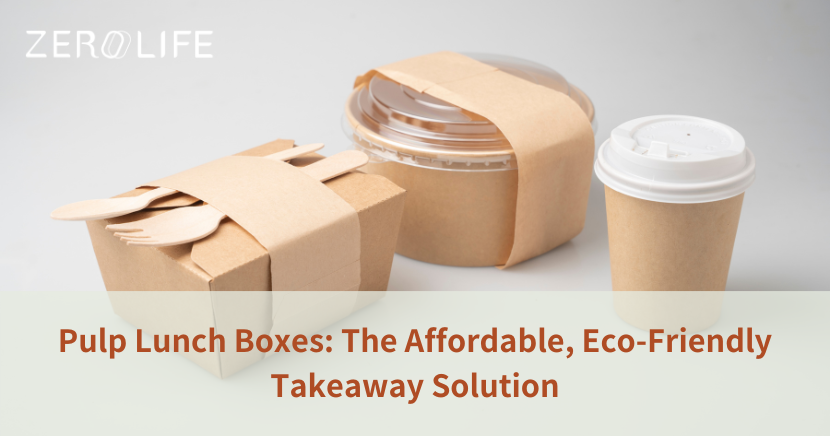
Plant fiber meal boxes, often called pulp lunch boxes, are becoming a preferred choice for eco-conscious takeaway packaging worldwide. Made from biodegradable materials like bagasse (sugarcane fiber) and wheat straw, these innovative containers not only reduce plastic consumption but also decompose naturally, leaving no harmful residue. Whether you’re running a restaurant or looking for sustainable solutions for your office lunch, pulp lunch boxes offer functionality and environmentally friendly benefits that cater to modern lifestyles.
What Are Pulp Lunch Boxes?
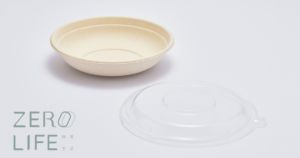
Pulp lunch boxes are containers made from natural plant fibers, such as sugarcane bagasse, wheat straw, or bamboo. Instead of depending on traditional plastics derived from fossil fuels, these eco-friendly alternatives are crafted from renewable agricultural byproducts and are fully biodegradable. The materials undergo a process of pulping, molding, and drying to create sturdy and functional packaging that rivals the durability of plastic but without the environmental downside.
Why Should You Choose Pulp Over Plastic?
For decades, plastic has been the go-to material for food packaging, yet the ecological price we’ve paid is staggering. Plastic waste pollutes our oceans, takes hundreds of years to decompose, and harms wildlife. Switching to pulp lunch boxes offers the perfect opportunity to reduce plastic dependency and support a healthier planet for current and future generations.
Key Features of Pulp Lunch Boxes
- Eco-Friendly: Made from renewable resources, no harmful chemicals, and biodegradable.
- Compostable: Breaks down into natural elements, enriching the soil instead of polluting it.
- Durable: Resistant to oil, water, and leakage – ideal for various cuisines.
- Microwave and Freezer Safe: Convenient for reheating or storing food.
- Stylish Design: Sleek and professional look for both casual and formal uses.
The Benefits of Pulp Lunch Boxes for Restaurants and Food Businesses
As someone who enjoys eating out and getting takeout now and then, I often wonder about the fallout of single-use plastic containers. For restaurants, caterers, and food businesses, pulp lunch boxes are a smart and proactive solution. Here’s why they’re a game-changer:
- Brand Reputation: Businesses that use sustainable products win customer trust and loyalty.
- Cost-Effective: While slightly pricier than some plastic options, reduced environmental fines and positive brand value outweigh the marginal cost increase.
- Supports Regulations: Many governments are banning single-use plastics, making eco-friendly packaging mandatory.
- Customizable: Logos, colors, and designs can be tailored to showcase your brand on pulp containers.
Imagine ordering your favorite Thai takeout, opening the delivery, and feeling good about the fact that your meal came in a biodegradable, sturdy box that you can easily compost later. It’s a win-win for the environment and your eco-conscious mindset!
How Pulp Lunch Boxes Are Made
The production process of pulp lunch boxes is fascinating for its simplicity and eco-innovation. Here’s a quick outline:
- Agricultural byproducts such as sugarcane bagasse or wheat straw are collected.
- The materials are washed, pulped into a slurry, and sanitized to remove any impurities.
- The slurry is molded into the desired shapes using high-pressure equipment.
- Heat drying ensures the boxes are sturdy, leak-proof, and ready for food use.
- Finally, the finished products undergo quality control before being distributed to customers worldwide.
This highly sustainable process ensures that no part of the plant goes to waste while reducing the need for virgin resources like petroleum used in plastics.
Using Pulp Lunch Boxes in Everyday Life
As individuals, we too can make a difference by adopting pulp lunch boxes in our daily routines. Here’s how I’ve personally incorporated them:
Meal Prep and Packed Lunches
Whether I’m prepping meals for the week or packing lunch for the office, pulp lunch boxes have become my go-to. They’re lightweight and sturdy, keeping my food fresh and safe. Plus, I love how they don’t leave that faint chemical smell I often notice with plastics.
Hosting Parties the Eco-Friendly Way
When hosting casual gatherings with friends, I use pulp containers for serving snacks and meals. My guests often comment on how chic they look and appreciate my choice to minimize waste. After the party, the cleanup is effortless since the containers are compostable!
For Picnics and Outdoor Adventures
Being someone who loves weekend picnics and outdoor outings, I’ve found these boxes incredibly convenient. They’re durable enough to hold hearty meals and desserts for road trips, and I don’t have to worry about lugging back empty containers because they’re biodegradable.
Supporting Local Businesses
Whenever I order food from local vendors, I make it a point to encourage and support those using eco-friendly packaging. By asking for sustainable options, we can collectively drive demand for greener alternatives and steer businesses toward adopting them permanently.
Final Thoughts on Pulp Lunch Boxes
In a world grappling with the consequences of climate change and plastic waste, making the switch to environmentally friendly options like pulp lunch boxes is a small yet impactful step we can all take. Whether you’re a food business owner or someone looking to reduce your carbon footprint, choosing sustainable packaging can immensely benefit our planet.
So, the next time you’re tempted to use a plastic container, think about the environmental impact and opt for a pulp lunch box instead. Together, we can make sustainability the norm and inspire others to follow suit. What’s your take on switching to eco-friendly packaging? Share your thoughts in the comments below!
“`