Have you ever noticed how much waste gets accumulated after a meal at your favorite restaurant? For years, plastic seemed like the go-to option for food containers. But something is changing: more restaurants worldwide are turning to pulp food containers. The shift isn’t just trendy — it’s a necessity as we collectively aim to reduce plastic waste and promote sustainable practices that protect our planet.
The popularity of pulp food containers goes beyond their biodegradability. Made from plant fibers like sugarcane, bamboo, or wheat straw, these containers have become an eco-friendly alternative to traditional plastic packaging. Not only are they safer for the environment, but they also appeal to environmentally conscious diners. In this blog, I’ll dive into why restaurants everywhere are embracing these sustainable food containers, the practical benefits they offer, and how their use affects our future.
What Are Pulp Food Containers?
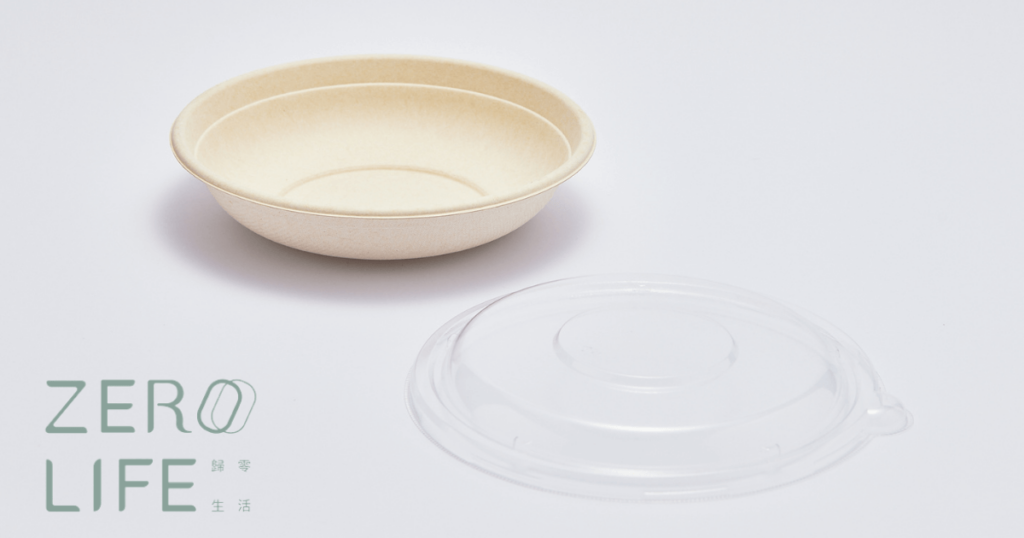
Pulp food containers, also called plant fiber meal boxes, are containers made from renewable agricultural byproducts such as sugarcane bagasse, wheat straw, or bamboo pulp. Unlike single-use plastics—which can take hundreds of years to degrade—pulp containers are biodegradable and compostable. These containers decompose naturally within a much shorter time frame, leaving a minimal environmental footprint.
What’s even more noteworthy is that pulp food containers are produced using resources that would otherwise go to waste. By reusing byproducts left over from agriculture, manufacturers reduce waste and give these materials a second life.
The Characteristics of Pulp Food Containers
- Biodegradable and Compostable: Designed to break down naturally over time without harming the ecosystem.
- Durable and Heat-Resistant: These containers are sturdy and can safely hold hot or cold food. They’re even microwave-safe in most cases.
- Non-Toxic: Unlike some plastics that leach harmful chemicals into food, pulp containers are free of toxins.
- Grease and Water-Resistant Coatings: Many pulp containers come coated to prevent leaks, making them perfect for saucy dishes and soups.
With features like these, it’s easy to see why so many restaurants are making the switch—not just to align with sustainable goals but also to cater to customer demands for better choices.
Environmental Benefits of Choosing Pulp Food Containers
The restaurant industry generates massive amounts of waste, much of it in the form of single-use plastics. While recycling efforts are improving worldwide, too much plastic still ends up in landfills, incinerators, or the ocean. By making the move toward pulp food containers, restaurants are contributing to a much-needed shift to reduce these staggering numbers.
Reduced Plastic Pollution
Every pulp container used instead of a plastic one is a step toward reducing plastic pollution. Unlike plastics, which can take centuries to decompose, these containers break down within a few months in composting facilities. This change means less waste sitting in landfills and less risk of harmful microplastics entering our ecosystems.
Lower Carbon Footprint
The production of pulp containers often has a much smaller carbon footprint compared to that of plastic. Because they’re made from readily available plant fibers rather than fossil fuels, production requires less energy. Additionally, using byproducts like sugarcane bagasse means no additional crops need to be grown purely for the material, further conserving resources.
Fostering a Circular Economy
When pulp food containers are industrially composted, they return essential nutrients back into the soil. This process supports the principles of a circular economy, creating a sustainable system where waste is minimized and resources are continually reused.
Practical Benefits for Restaurants
Beyond their environmental perks, pulp food containers bring tangible benefits to restaurants. They’re versatile, functional, and increasingly affordable as demand and production scale up. Restaurants that adopt these containers aren’t just protecting the planet—they’re also reaping several operational benefits.
Attracting Eco-Conscious Diners
More consumers are prioritizing sustainability in their purchasing decisions, and they expect the same from restaurants. Using eco-friendly packaging sends a clear message that your business cares about the environment, earning you trust and loyalty from green-minded customers. Many patrons are even willing to pay a premium to dine at establishments actively working toward a cleaner planet.
Reliable and Multi-Functional
Despite being plant-based, pulp containers are surprisingly durable. They hold up well under heat and moisture, meaning they function just as well—if not better—than plastic options. From hearty meals to finely crafted desserts, pulp food containers can handle a wide variety of dishes without leaking or falling apart.
Simplified Waste Management
In regions with access to industrial composting facilities, managing food waste becomes easier when paired with compostable containers. Leftovers and containers can be disposed of together in compost bins, reducing the effort required to sort through waste and diverting more materials away from landfills.
How Restaurants Can Transition to Pulp Food Containers
Switching from plastic to pulp food containers requires thoughtful planning, but the benefits make it worthwhile. Here’s how restaurants can make the transition effectively:
- Research Suppliers: Partner with reputable suppliers offering certified compostable pulp food containers. Look for products verified by organizations such as the Biodegradable Products Institute (BPI).
- Start Small: Begin by using pulp containers for select menu items or takeout meals to test their functionality and customer response.
- Educate Staff and Customers: Train your team on the benefits and proper disposal of pulp containers, and share this information with patrons through in-store signage or online platforms.
- Partner with Composting Sites: Collaborate with local composting facilities to ensure containers are disposed of properly, maximizing their environmental impact.
- Analyze Costs and Savings: Compare long-term costs to plastic alternatives while factoring in the value of attracting eco-conscious customers and reducing waste disposal fees.
By following these steps, restaurants can align their operations with sustainability efforts while reaping the rewards of an eco-friendly reputation.
Final Thoughts
The days of plastic dominance in the food industry are numbered. As the world collectively wakes up to the environmental dangers posed by single-use plastics, change is inevitable. Pulp food containers offer a practical, sustainable, and effective alternative that benefits restaurants, customers, and the planet.
From minimizing plastic pollution to meeting the demands of sustainability-focused diners, there are countless reasons why more restaurants are choosing these innovative, plant-based options. As customers, we can support these initiatives by dining at places that embrace eco-friendly practices and encouraging others to do the same. Together, we can drive the change needed for a greener, healthier future.