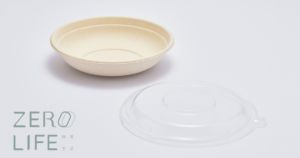
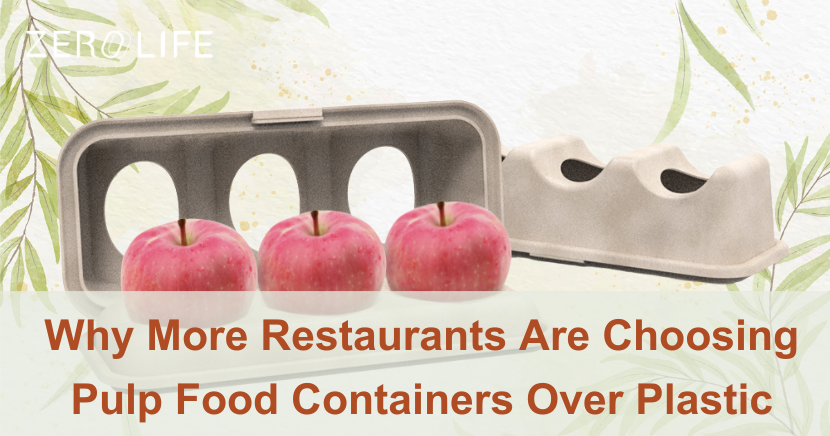
Hello, and welcome to my blog! Today, let’s address an important shift sweeping the restaurant world—a move that’s proving to be better for the environment and equally practical for businesses. The rise of pulp food containers as a sustainable alternative to plastic isn’t just a trend; it’s a crucial solution to one of today’s most urgent global challenges: plastic waste.
Every year, the food industry relies on billions of disposable containers to serve meals on-the-go. Unfortunately, most of these items are made of plastic, which contributes to ocean pollution and takes hundreds of years to decompose. That’s why more restaurants are turning to plant fiber or pulp food containers. These eco-friendly alternatives reduce the environmental footprint, align with consumer demand for sustainability, and preserve the convenience businesses need in their packaging.
Why Are Restaurants Switching to Pulp Food Containers?
The restaurant industry serves as a key driver of trends in food packaging. As awareness of plastic waste grows, business owners are seeking solutions that protect the planet and uphold customer expectations. Pulp food containers, made from renewable materials like sugarcane, bamboo, and wheat straw, are emerging as a game-changer in the global fight against waste.
A High-Performance and Eco-Friendly Solution
Pulp food containers aren’t just sustainable—they’re functional too. Many restaurant owners I’ve spoken to are thrilled with their performance. Unlike traditional plastic, which can warp or break when exposed to heat, these containers are designed to handle hot or greasy foods while remaining intact. They’re microwave-safe, leak-resistant, and even compostable in industrial facilities.
Here are a few materials commonly used to create pulp food containers:
- Bagasse, a byproduct of sugarcane processing
- Bamboo, a fast-growing and renewable resource
- Wheat straw, an agricultural waste material
These materials decompose naturally, often within a matter of months, compared to conventional plastics that can linger for hundreds of years. This makes them an excellent option for environmentally responsible businesses.
Improved Customer Perception
Consumers today are increasingly eco-conscious. They prefer to support brands that align with their values, such as reducing waste and combating pollution. Restaurants that adopt pulp food containers often report improved customer loyalty, as patrons recognize and appreciate these eco-friendly choices.
If you run a restaurant, using sustainable containers can be a key part of your brand story. Imagine the impact of being able to say, “We care about you and the planet, which is why we use 100% compostable packaging for all our meals.”
The Practical Benefits of Pulp Food Containers
Durability and Leak Resistance
One of the reservations people have about switching to eco-friendly packaging concerns performance reliability. Thankfully, modern pulp food containers don’t just match plastic—they often surpass it. I’ve worked with restaurant owners who’ve tested these containers with everything from soup to stir fry, and they’ve held up beautifully, proving to be both sturdy and practical.
Unlike flimsy alternatives, these containers boast a robust design that resists leaks, even with oily or saucy dishes. This makes them a great choice for takeout, delivery, or even meal prep businesses.
Cost-Effectiveness in the Long Run
At first glance, pulp food containers can seem more expensive than plastic. But when you factor in their environmental and brand value, they’re an investment worth making. Plus, as demand rises and manufacturing processes become more efficient, prices are gradually decreasing. Business owners I’ve spoken with suggest that customers are often willing to pay slightly more for meals packed in eco-friendly containers, which offsets the initial costs.
Compliance With Environmental Regulations
In many parts of the world, governments are implementing strict bans on single-use plastics. For instance, the European Union’s Single-Use Plastics Directive and California’s ban on plastic straws and cutlery are just the beginning. By switching to pulp food containers now, restaurants can stay ahead of these regulations and avoid disruptions.
How Restaurants Can Make the Transition to Pulp Food Containers
Are you a restaurant owner considering the switch? Here’s a practical roadmap to guide you:
- Research Suppliers: Look for reputable packaging providers who specialize in eco-friendly products. Many suppliers offer wholesale deals on pulp food containers, making them a cost-effective choice.
- Test for Compatibility: Before committing, trial the containers with your menu items. Ensure they perform well with your specific foods, especially hot dishes or liquids.
- Educate Your Staff: Train your team about the benefits of pulp food containers, so they can confidently explain them to customers and understand proper handling.
- Communicate With Customers: Let your customers know about the switch. Use social media posts, signage, or packaging labels to highlight your commitment to sustainability.
- Track Customer Feedback: Monitor how customers react to the change. Most will likely support it, but feedback can help you refine your approach if needed.
Final Thoughts: A Small Step With Big Impact
Pulp food containers represent more than just a practical solution—they’re a statement of accountability. By replacing plastic with plant fiber alternatives, restaurants can play a vital role in reducing waste, protecting wildlife, and inspiring sustainable choices in their communities. From my experience, these changes don’t just make financial sense—they resonate with today’s eco-conscious diners. Small, conscious steps like these are exactly what the planet needs.
So, whether you’re a restaurant owner, a food-loving customer, or simply someone passionate about eco-friendly living, let’s celebrate and support the growing movement toward sustainability. Together, we can create a cleaner, greener future—one meal at a time.