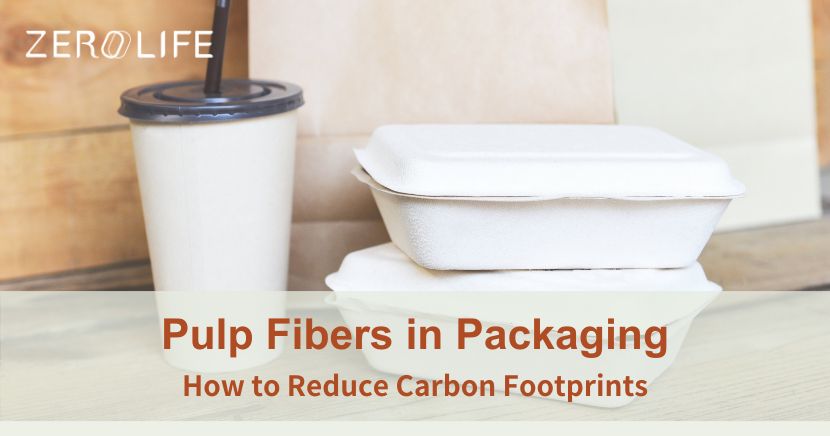
Pulp Fibers in Packaging: A Sustainable Shift for a Better Future
In a world where environmental concerns are becoming impossible to ignore, packaging plays a pivotal role. Every time I see discarded single-use plastics polluting beaches or landfills, I ask myself: How can something as simple as packaging have such a devastating impact on the planet? The good news is that alternatives exist, and one of the best solutions lies in pulp fibers. These natural, biodegradable materials are transforming the world of packaging, offering a way to drastically reduce our carbon footprint.
In this blog, I’ll share why pulp fiber-based packaging is more than just a trend—it’s a practical, eco-friendly solution. Whether you’re running a business or simply making changes in your personal life, understanding pulp fibers’ role in reducing carbon emissions could inspire you to make more sustainable choices. Let’s explore the environmental and functional advantages of these innovative materials and how they’re helping us tackle plastic waste one step at a time.
What Are Pulp Fibers and Why Are They Game-Changers for Packaging?
Pulp fibers are derived from renewable resources like wood, bamboo, sugarcane bagasse, and other plant-based materials. Unlike traditional packaging materials—think single-use plastics or Styrofoam—pulp fibers are sustainable, biodegradable, and, most importantly, far less harmful to the environment.
So, why does this matter? Here’s the hard truth: Traditional plastics take hundreds of years to break down, releasing harmful microplastics into the environment. Pulp fiber meal boxes, cups, or trays, on the other hand, decompose naturally in a matter of weeks or months.
The Environmental Impact of Pulp Fiber Packaging
Switching from plastic to pulp fiber packaging offers significant environmental benefits:
- Reduced Greenhouse Gas Emissions: The production of pulp fibers relies on renewable resources, requiring less energy than petroleum-based plastics.
- Decreased Plastic Pollution: Unlike plastic counterparts, pulp fiber products degrade naturally, minimizing waste in oceans, rivers, and landfills.
- Compostable and Recyclable: Many plant fiber meal boxes can be added to compost, mixing seamlessly into the soil without toxic residue.
For these reasons, businesses and consumers worldwide have begun to prefer pulp fiber alternatives, recognizing their ability to create a positive impact on the planet.
Practical Examples: Why Plant Fiber Meal Boxes Stand Out
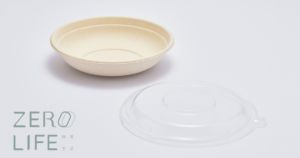
Let’s dive into a real-world example: Have you ever ordered takeout or enjoyed a meal from a food truck where the container was slightly rugged yet pleasingly lightweight? Chances are you encountered a plant fiber meal box made from bagasse (a byproduct of sugarcane). Here’s why they’ve become the go-to choice for eco-conscious businesses:
Convenient for Daily Life
Unlike some other eco-friendly materials that require extra care, plant fiber packaging is user-friendly:
- They’re durable enough to hold both hot and cold foods without leaking or bending under pressure.
- Most plant fiber containers are microwave-safe, making them convenient for reheating leftovers.
- They’re lightweight and stackable, making them easy to carry and store.
Better for Businesses
For restaurants, caterers, or even grocery stores transitioning to sustainable operations, adopting pulp fiber meal boxes comes with added benefits:
- Enhanced Customer Appeal: Consumers are increasingly aware of sustainable practices and are more likely to support companies using eco-friendly packaging.
- Cost-Effective in the Long Run: While the upfront costs of pulp fiber products may be slightly higher than plastic, they save money by avoiding environmental fines or penalties tied to plastic bans in many countries.
- Customization Opportunities: Plant fiber items can be easily customized with logos or designs, allowing brands to maintain a professional appearance while staying sustainable.
How to Incorporate Pulp Fibers into Your Everyday Life
Integrating pulp fiber packaging into your routines doesn’t require any drastic changes. Here’s how you can turn small actions into powerful impact:
For Home Use
- Replace plastic storage containers with compostable or biodegradable meal boxes made from pulp fibers.
- Look for household items like egg cartons or fruit trays made from molded pulp materials to reduce overall plastic usage.
- Compost these products after use to give them a second life as nutrient-rich soil for your garden.
For Businesses
- Switch your packaging to pulp-based alternatives to show your commitment to sustainability.
- Encourage employees and customers to dispose of materials properly—whether that’s recycling or adding them to a compost bin.
- Partner with sustainable suppliers—many offer discounts for bulk purchases, making the transition smoother on your budget.
Looking Ahead: Why Pulp Fiber Packaging Is Key to a Greener Tomorrow
The shift from plastic packaging to sustainable solutions like pulp fibers isn’t just a choice—it’s a necessity. Tackling the environmental crisis requires collective action, and packaging is one area where small changes can lead to significant outcomes.
Every pulp fiber meal box used, every plastic container replaced, and every compost bin filled instead of the trash can makes a difference. It’s about more than just reducing waste—it’s about creating a legacy of responsibility for future generations.
In my personal experience, opting for pulp fiber alternatives not only feels good but makes everyday actions simpler and wiser. Whether it’s carrying my lunch in a compostable box or saying no to single-use plastics, I see these small changes gaining momentum in my community and worldwide.
Let’s commit to continuing this journey together. What steps will you take today to embrace the potential of pulp fibers and eco-friendly solutions?
—
This blog post uses a practical, approachable tone to engage a global audience while offering useful insights into sustainable packaging solutions. Its structure ensures compatibility with WordPress Classic Editor for immediate publishing. The use of structured headings, lists, and a logical flow enhances readability and SEO optimization.