
Pulp Containers: Why They’re the Best Biodegradable Packaging Option
Our world is facing an unprecedented environmental crisis, and one of the biggest culprits is single-use plastic. Every day, we see its devastating effects on marine life, soil, and human health. That’s why I’m incredibly passionate about solutions that reduce waste and embrace sustainability. One of the most promising alternatives? Pulp containers. Made from natural plant fibers, these biodegradable containers are emerging as an eco-friendly game-changer, and I’m here to share why they’ve earned their spot as the top choice for sustainable packaging.
Pulp containers, also referred to as plant fiber containers or molded fiber packaging, are crafted from renewable resources like bamboo, sugarcane, and wheat straw. Unlike traditional plastic packaging, pulp containers leave a minimal environmental footprint by degrading naturally and safely. They offer a perfect combination of durability, convenience, and sustainability. In this post, I’ll dive into why I believe pulp containers are the best biodegradable packaging choice available today, sharing practical insights and tips for integrating them into your everyday life.
What Are Pulp Containers and How Are They Made?
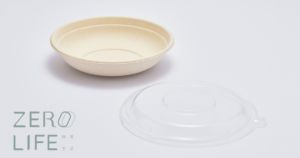
Pulp containers are biodegradable packaging solutions made from fibers derived from plants. Some common sources include recycled paper, bamboo, sugarcane bagasse (the fibrous material left after extracting juice from sugarcane), and wheat straw. These raw materials are broken down into a slurry or “pulp,” which is then molded into desired shapes to create trays, bowls, plates, and meal boxes.
The Eco-Friendly Manufacturing Process
The process of making pulp containers uses fewer resources compared to plastic production.
- It begins with sourcing agricultural waste or recycled plant materials, reducing dependency on virgin resources like oil (a key component of plastic).
- The fibers are cleaned, mixed with water, and pressed into molds, which are then dried using heat or air. The process minimizes water waste, often recycling water within the system.
- At the end of the lifecycle, these materials are compostable and biodegradable, returning to nature without leaving harmful residue.
Unlike plastic and Styrofoam, pulp packaging doesn’t take hundreds of years to decompose. Depending on environmental conditions, these containers can break down in industrial composting facilities within 30-90 days.
Benefits of Pulp Containers
When it comes to sustainable living, switching to pulp containers offers numerous advantages. Here are a few reasons why they stand out:
1. Completely Biodegradable
One of the main benefits of pulp containers is that they’re 100% biodegradable. Unlike plastic, which can take centuries to decompose and often pollutes land and water, pulp containers degrade gracefully, leaving no harmful toxins behind.
2. Compostable at Home
Many pulp containers can be composted at home. For instance, after using a sugarcane-based takeaway box, you can toss it into your backyard compost bin. These materials enrich your soil while eliminating waste.
3. Strong, Durable, and Functional
Ever worried about flimsy packaging? Pulp containers are sturdy! Whether you’re carrying a hefty meal or transporting delicate items, they’re designed to hold their shape, even when wet.
4. Non-Toxic and Safe for Food
One of my biggest concerns when it comes to food packaging is chemical leaching. Many plastics release harmful chemicals when exposed to heat or acidic foods. Pulp containers, on the other hand, are free from BPA, phthalates, and other toxic additives, making them a safer option for food storage.
5. Reduces Carbon Footprint
The production of pulp containers has a lower carbon footprint compared to plastics because it relies on renewable raw materials. Opting for these alternatives helps reduce your personal impact on greenhouse gas emissions.
Real-World Applications of Pulp Containers
Switching to pulp containers can make a noticeable difference in reducing waste, whether you’re an individual, a business, or a community organization. Here’s how you can incorporate them into your daily routine:
For Individuals
If you’re like me and actively trying to live a zero-waste lifestyle, switching to pulp containers is a no-brainer.
- Use compostable pulp meal boxes for takeout meals or food deliveries—no more Styrofoam trays!
- Transform your leftovers into an eco-friendly solution by storing them in durable molded-fiber food containers.
- Compost your used pulp trays in your garden to enrich the soil.
For Businesses
More and more customers are favoring businesses that show a commitment to sustainability. Adopting pulp packaging can strengthen your eco-conscious reputation.
- Restaurants can use pulp takeout boxes, bowls, and utensils to reduce waste.
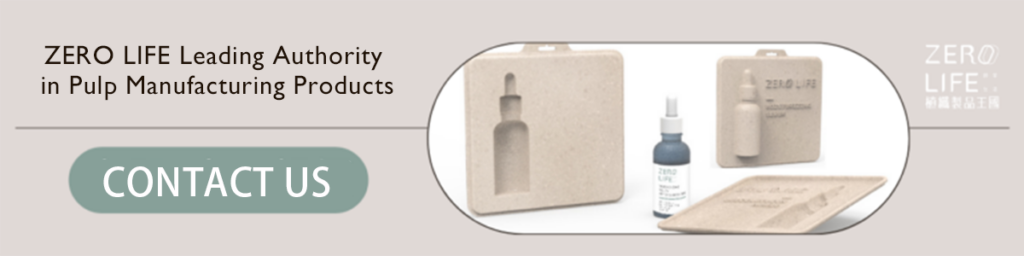
- Retailers can replace traditional plastic packaging with molded pulp trays for products like electronics, cosmetics, and more.
- Grocery stores can adopt biodegradable produce trays to keep fruits and vegetables fresh and plastic-free.
For Events and Gatherings
Hosting a dinner? Planning a festival? Compostable and biodegradable pulp dinnerware is perfect for catering to crowds while reducing landfill contributions. Serve your food in style and recycle or compost after the event.
How to Dispose of Pulp Containers Responsibly
One of the things I love about pulp containers is how easy they are to dispose of. Here are the main options:
- Composting: Toss your used pulp containers into a home composting bin or take them to an industrial composting facility. Within weeks, they’ll turn into nutrient-rich compost.
- Recycling: Depending on your local recycling program, some pulp-based packaging made from paper fibers can be re-pulped and recycled. Check with your local waste management facility.
- Biodegrading: If composting isn’t an option, don’t worry. Pulp packaging decomposes naturally without releasing harmful pollutants, making it landfill-safe.
Why You Should Make the Switch Today
Pulp containers are an easy, affordable, and sustainable swap that anyone can make. Whether you’re looking to reduce your reliance on plastic, minimize your waste footprint, or support the circular economy, these biodegradable options tick all the boxes. While no single solution will solve the world’s environmental challenges, small actions like choosing sustainable packaging can create a ripple effect that leads to larger global change.
Let’s work together to make eco-conscious living the norm. Switching to pulp containers is a straightforward step toward a greener, healthier planet. Why not start today?
I’d love to hear your thoughts—have you tried using pulp containers in your daily life? Share your experiences in the comments below!