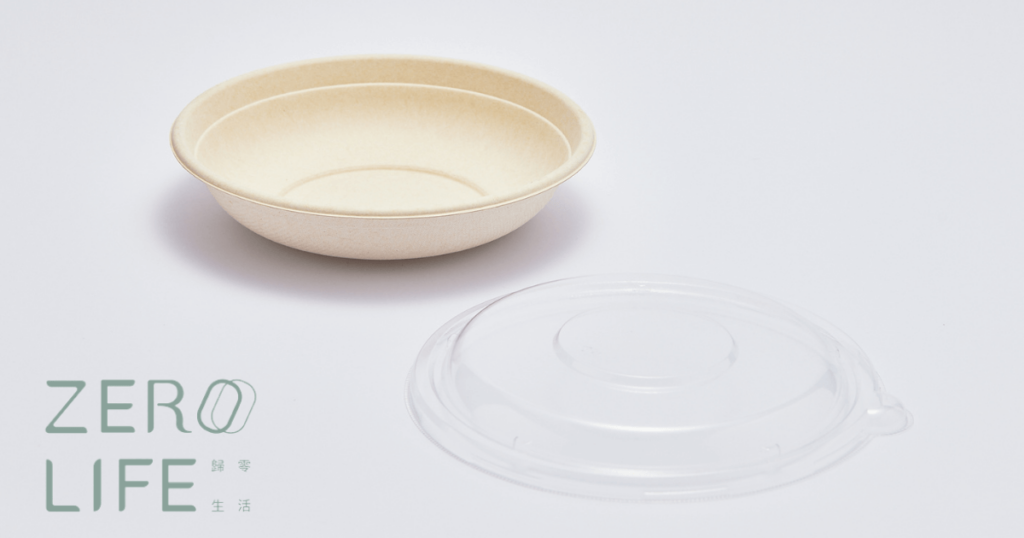
I’ve been trying to make more eco-friendly choices in my life, and one area that surprised me with room for improvement was baking and food packaging. If you run or work in a bakery, or even just love baking at home, you might relate. It’s shocking to realize how much single-use plastic and other waste can pile up, but there’s a game-changing solution: pulp baking containers. These containers are affordable, durable, and, most importantly, sustainable, making them the perfect choice for anyone looking to reduce their environmental footprint.
Switching to pulp baking containers in your bakery or home kitchen is a simple yet impactful way to embrace sustainability. These containers, typically made from plant fibers like sugarcane or bamboo, offer a renewable and biodegradable alternative to traditional plastic or aluminum baking trays. Beyond their environmental benefits, they’re also functional, food-safe, and versatile, proving that environmentally friendly doesn’t have to mean compromising on quality. In this post, I’ll guide you through the key benefits of pulp baking containers, why they’re crucial for sustainability, and how your bakery or baking habits can directly benefit from adopting these eco-friendly solutions.
Why Pulp Baking Containers Are Key to a Sustainable Future
At the heart of sustainability is the idea of using resources that minimize harm to our planet. Pulp baking containers fit perfectly within this ethos because they’re made from natural plant fibers—usually byproducts from other industries like sugarcane processing—making them a renewable and biodegradable alternative to traditional packaging materials. But beyond their composition, these containers have the potential to significantly reduce waste and pollution, two of the biggest challenges facing our planet today.
Reducing Plastic Waste in the Baking Industry
Let’s face it: single-use plastics have become an environmental menace. From the packaging that wraps baked goods to the containers used for transportation and storage, plastic waste can overwhelm bakeries and infiltrate landfills and oceans. Pulp baking containers offer an excellent solution. Since they’re compostable and biodegradable, they break down naturally without leaving long-term waste in ecosystems, unlike their plastic or even aluminum counterparts, which can take centuries to degrade.
- Traditional plastic baking containers take up to 500 years to decompose, compared to pulp-based materials that biodegrade in less than 90 days under optimal conditions.
- Switching to pulp containers drastically reduces your bakery’s reliance on fossil-fuel-based plastics.
- Plant fiber containers are often certified compostable, meaning they can return to the earth as nutrient-rich compost instead of polluting landfills.
Multiple Uses with Minimal Environmental Cost
Don’t think of pulp baking containers as a limited option. I’ve used these for so many purposes, from baking and serving cupcakes in my home to packaging muffins and cookies for friends. If you’re running a bakery, they are ideal for everything from cakes and pies to ready-to-eat pastries. What makes them so versatile is their strength and heat resistance, which directly rivals traditional disposable options made from plastic or foil.
- Pulp baking containers are freezer-safe, microwave-safe, and often oven-safe up to around 428°F (220°C) or more.
- They don’t require extra greasing or preparation due to non-stick designs, saving you time in a busy kitchen.
- Many are designed with an appealing texture and neutral color that enhances food presentation.
How to Incorporate Pulp Baking Containers Into Your Bakery Workflow
Adopting sustainable practices doesn’t mean starting over from scratch. In fact, what I love about transitioning to eco-friendly products like pulp baking containers is how seamlessly they fit into existing workflows—whether at a commercial bakery or in your home kitchen. Here are some simple, actionable steps to get started:
1. Evaluate Your Current Packaging Needs
Take a look at how much packaging your bakery currently uses. Identify areas where you rely heavily on single-use plastics or disposable aluminum trays. Consider products that could be easily switched to more sustainable options, such as replacing plastic cupcake liners or pie tins with pulp alternatives.
- Take inventory of how much plastic or foil packaging your bakery disposes of each week.
- Research which types of baked goods could easily transition to pulp-based containers.
- Set goals for reducing waste in specific product categories, such as pastries or pre-packaged goods.
2. Find Reliable Suppliers
Not all pulp baking containers are created equal. Some suppliers may offer higher-quality or more environmentally certified products than others. Do your research to ensure your investment benefits both your business and the planet.
- Search for suppliers that use responsibly sourced materials like bamboo or recycled sugarcane fibers.
- Look for certifications like USDA Biobased or compostability endorsements, ensuring the containers meet strict environmental standards.
- Order samples to test the quality and practicality of the packaging before committing to large orders.
3. Highlight Sustainability in Your Marketing Efforts
Once you bring pulp containers into your bakery, share this eco-friendly move with your customers. Many people today prioritize businesses that take action for the environment, so promoting your switch to sustainable packaging could attract more eco-conscious consumers.
- Share social media posts or create in-store signage that explains the change.
- Highlight why pulp baking containers are a greener choice and how your customers can support sustainability by choosing your products.
- Include eco-friendly messaging on your labels and packaging.
Benefits of Pulp Baking Containers for Your Customers
One of the biggest wins when I made this switch was the positive response from customers. Whether you’re baking for friends and family or running a business, showing that you care about reducing waste helps highlight your values. Customers love knowing they’re supporting a brand that values sustainability, and they can feel good about choosing eco-friendly options.
- Pulp baking containers demonstrate your commitment to reducing environmental impact, which builds customer trust and loyalty.
- Since they’re compostable, your customers can dispose of them responsibly without extra effort.
- They’re highly durable and maintain food freshness, so your baked goods look as good as they taste.
Conclusion: Making the Sustainable Choice
If you’re looking for an effective and meaningful way to contribute to a greener planet, switching to pulp baking containers is a smart and practical step. I’ve seen firsthand how they elevate my baked goods while minimizing waste and setting a great example for others. Let’s say goodbye to plastic waste, one cupcake at a time, and embrace innovative, eco-friendly solutions that make baking a joy for people and the planet alike. Here’s to more sustainably sweet treats!