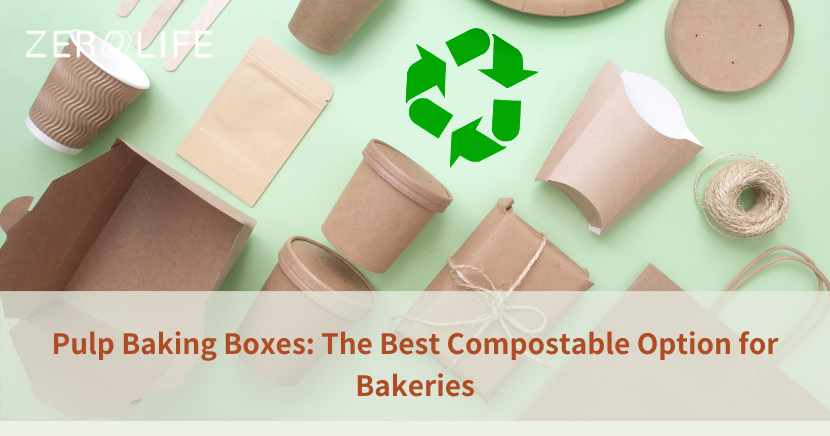
Hello, readers! As someone who’s passionate about sustainability, I’m constantly exploring ways to reduce waste and adopt eco-friendlier practices. Today, I want to talk about pulp baking boxes—a fantastic packaging solution that aligns perfectly with a greener, more sustainable lifestyle. If like me, you believe in making environmentally conscious choices without compromising convenience, then keep reading because this is something you’ll want to know about!
When it comes to sustainability, every small choice matters. Pulp baking boxes, made from compostable plant fibers, offer bakeries and customers a chance to reduce plastic waste drastically. Not only are these boxes functional and aesthetically appealing, but they also decompose elegantly back into the earth, unlike traditional plastic or coated packaging. Let’s dive into the practical advantages of pulp baking boxes and how they make sustainability an achievable goal for bakeries worldwide.
What Are Pulp Baking Boxes?
Pulp baking boxes are eco-friendly packaging solutions made from molded plant fibers. Typically crafted from renewable resources like sugarcane bagasse, bamboo, or recycled wood pulp, these boxes are designed to be durable, lightweight, and biodegradable. They are a revelation in the packaging world, especially for bakeries looking to ditch plastic or foam containers for a more sustainable alternative.
The Basics of Compostability
One of the standout benefits of pulp baking boxes is their compostability. Unlike plastic containers, which can take centuries to break down, these boxes degrade naturally within weeks or months under the right composting conditions. Whether you’re a commercial bakery or someone picking up cupcakes for a party, knowing your packaging won’t contribute to landfill overflow is a satisfying thought.
Here’s why compostability matters:
- Reduces the volume of waste sent to landfills.
- Returns nutrients back to the soil, supporting healthy ecosystems.
- Helps replace petroleum-based plastic packaging, which is polluting oceans and harming marine life.
By choosing pulp baking boxes, bakeries can play a significant role in promoting circular economies where materials are designed to be reused or safely returned to the earth.
Why Pulp Baking Boxes Are Ideal for Bakeries
Bakeries operate at the intersection of food quality, customer satisfaction, and sustainability. Pulp baking boxes seamlessly meet these needs while offering several additional benefits. Here are some of the reasons why bakeries across the globe are choosing this eco-friendly option:
1. Functionality Meets Aesthetics
At first glance, pulp baking boxes look simple yet elegant. Their natural texture and sturdy design make them perfect for carrying delicate pastries, hearty breads, or multi-tiered cakes. Additionally, their neutral color palette complements the vibrant hues of baked goods, adding to their visual appeal.
Beyond aesthetics, these boxes are functional:
- They’re grease-resistant, ensuring that crumbs or frosting won’t seep through.
- Ventilation features (where included) prevent sogginess, keeping baked items fresh for longer.
- The sturdy material minimizes the risk of crushing or bending under pressure.
2. Customer-Preferred Packaging
Consumers are becoming increasingly eco-conscious, and offering sustainable packaging options gives bakeries a competitive edge. When customers see that their favorite bakery cares about the environment, loyalty grows—and so does word-of-mouth promotion!
Some perks customers appreciate about pulp baking boxes include:
- Knowing their purchase aligns with sustainability values.
- Having packaging that’s easy to recycle or compost.
- Aesthetic packaging that complements the quality of the baked treats.
3. Heat and Moisture Tolerance
Baking involves heat, and transporting warm goods in flimsy or melting packaging is a recipe for disaster. Pulp baking boxes, however, are designed to handle the heat—and moisture—of freshly baked goods. Unlike thin paper or single-use plastics, these boxes hold up incredibly well, even when slightly damp or piping hot bread rolls are placed inside.
How Bakeries Can Transition to Pulp Baking Boxes
Adopting sustainable packaging may sound like a daunting challenge, especially for small or local bakeries. However, making the switch to pulp baking boxes doesn’t have to be complicated. Here’s how bakeries can integrate this sustainable solution into their operations:
- Assess Current Packaging Needs: Evaluate your menu and identify which items would benefit the most from compostable boxes, whether it’s individual cupcake packaging or larger cake boxes.
- Source Reputable Suppliers: Partner with manufacturers that prioritize high-quality, compostable pulp products. Some suppliers even offer customizable options, allowing you to add branding or logos to the boxes.
- Educate Customers: Use social media or signage in-store to inform customers about your eco-friendly switch. This not only spreads awareness but also generates goodwill and loyalty toward your bakery.
- Monitor Waste Management Systems: Encourage composting by providing clear disposal instructions or partnering with local composting facilities. This ensures the boxes are disposed of correctly, fulfilling their eco-friendly purpose.
The Global Impact of Pulp Baking Boxes
Beyond bakery businesses, pulp baking boxes have a profound impact on the environment. Globally, the food packaging industry generates millions of tons of plastic waste annually. By opting for compostable alternatives like pulp baking boxes, we can mitigate this environmental crisis significantly.
Consider these eye-opening statistics:
- Only 9% of all plastic produced worldwide has been recycled. The rest ends up in landfills or polluting natural ecosystems.
- Compostable packaging, when widely adopted, could decrease global plastic waste by up to 35% over the next decade.
- Unlike petroleum-based plastics, plant fibers used in pulp boxes are renewable and regenerate quickly without excessive resource depletion.
Clearly, small changes—such as bakeries switching to pulp baking boxes—have powerful consequences when they’re adopted on a global scale.
Making Eco-Friendly Choices Together
As someone who fully embraces sustainable living, I can’t overstate how important our daily decisions are in shaping the future of our planet. Pulp baking boxes might seem like a small switch, but their environmental impact is monumental. Whether you own a bakery or simply support local businesses, encouraging the use of compostable packaging is a meaningful step toward a greener world.
So, let’s move forward together. Support bakeries that choose eco-friendly solutions, ask questions about their packaging, and share your enthusiasm for sustainable products. With pulp baking boxes leading the charge, we’re one step closer to a world with less waste, healthier ecosystems, and a brighter future for generations to come.