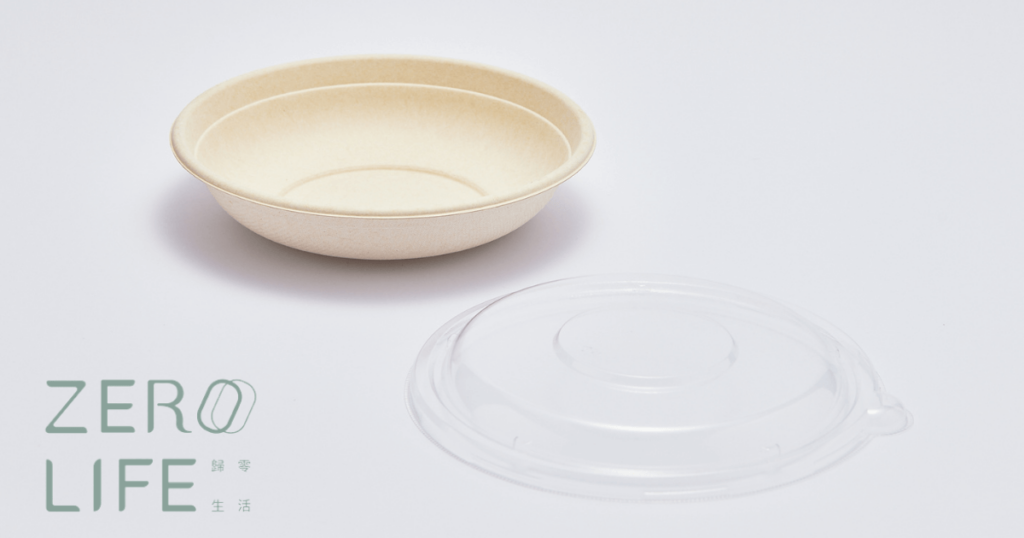
Hello and welcome! As someone who is always on the lookout for ways to live more sustainably, I’m thrilled to discuss the remarkable benefits of pulp baking boxes. In today’s world, where plastic waste and environmental pollution dominate headlines, businesses—particularly bakeries—are stepping up to embrace eco-friendly solutions. Compostable packaging, like pulp baking boxes, is a powerful step in the right direction, blending responsibility with practicality. Let me show you why these sustainable options are revolutionizing the global baking industry and deserve your attention.
Pulp baking boxes are the unsung heroes of sustainable packaging. Made from natural plant fibers like sugarcane bagasse, wheat straw, or bamboo pulp, these boxes are fully compostable, breaking down into organic matter after disposal. Not only do they minimize plastic waste, but they also actively support renewable sources. By choosing compostable packaging for baked goods, bakeries can reduce their environmental footprint while appealing to consumers who prioritize eco-conscious purchases. Let’s uncover just how transformative these simple yet powerful tools can be!
Pulp Baking Boxes: A Game-Changer for Sustainable Packaging
When I started incorporating sustainability into my lifestyle, I quickly realized how much single-use plastic waste comes from packaging, especially in the food industry. Pulp baking boxes stood out immediately as an eco-friendly alternative. These boxes don’t just replace plastic—they elevate the entire baking and takeout experience. Here’s why they’re making waves:
What Are Pulp Baking Boxes Made From?
Pulp baking boxes are created from plant-based materials like sugarcane bagasse, wheat straw, bamboo pulp, or other agricultural byproducts. What’s incredible is these “waste” fibers are repurposed to create durable and functional packaging. Instead of letting these materials go to landfill, they find a new life as compostable containers.
Here’s a quick overview of their key features:
- Biodegradable: They break down naturally in composting conditions, meaning no lingering waste.
- Non-toxic: Free from harmful chemicals, making them safe for food packaging.
- Renewable: The raw materials come from agricultural byproducts, meaning no additional strain on natural resources.
Compared to traditional plastic or even Styrofoam packaging, which can take centuries to degrade, pulp baking boxes are hands-down the more earth-friendly option.
Why Should Bakeries Choose Pulp Baking Boxes?
Bakeries, coffee shops, and patisseries worldwide are rethinking their approach to packaging. As someone who loves supporting local bakeries, I’ve noticed more businesses opting for compostable solutions like pulp baking boxes. Why? The benefits are too good to ignore:
- Environmental Impact: Switching to compostable packaging directly reduces the plastic ending up in landfills or oceans.
- Brand Image: Customers value sustainability. Using eco-friendly packaging shows you’re committed to the planet, which strengthens customer loyalty.
- Functionality: Don’t let their eco-friendliness fool you—pulp baking boxes are sturdy! They can handle hot goodies like muffins, brownies, or pies without breaking.
- Compostability: Once these boxes have fulfilled their purpose, they can be composted in a home or industrial composting setting, leaving behind zero waste.
Practical Applications of Pulp Baking Boxes
It’s not just about being eco-conscious—it’s about convenience too. Here’s how bakeries, businesses, and even home bakers can use pulp baking boxes effectively:
Perfect for Take-Out and Delivery
Take-out is a massive piece of the baking industry, and finding sustainable packaging has always been a challenge. Pulp baking boxes make it easy to package moist cakes, fluffy croissants, or buttery pastries without any leaks or spills. Their sturdy design ensures your treats arrive as fresh and intact as when they left the bakery.
Reusable and Customizable
If you run a bakery (or know someone who does!), consider how customizable these boxes are. Many suppliers offer branding options, so businesses can print logos, designs, or messages directly on the boxes. Better yet, some pulp baking boxes are designed for multi-use, providing an added layer of value for both businesses and customers.
An Easy Swap for Home Bakers
You don’t have to run a bakery to join the movement! As an avid home baker, I’ve made the switch to eco-friendly baking packaging for gifting treats to family or friends. These boxes are affordable, easy to source, and make a thoughtful statement by showing care for both the planet and the person you’re gifting.
Benefits of Pulp Baking Boxes for Everyday Sustainability
When I first started transitioning to a more eco-friendly lifestyle, one of my main goals was to reduce waste in small yet effective ways. Incorporating pulp baking boxes into my routine has been one of the easiest and most impactful switches I’ve made. Here’s why they work so well:
Composting at Home
Once you’re done using these boxes, composting them is simple. If you already compost food scraps at home, just toss these in! They’ll degrade without leaving harmful microplastics.
Encouraging a Circular Economy
Every time you choose environmentally friendly products like pulp baking boxes, you’re helping promote a circular economy. The idea is to use materials that can go back into the earth after their lifecycle, rather than accumulating as waste. By supporting businesses that adopt these practices, you’re encouraging more industries to do the same.
A Win for Small Businesses
For small bakeries, switching to sustainable packaging isn’t just an upgrade in materials but also a business growth opportunity. Showcase your commitment to green practices on social media or through signage in-store—customers notice!
How to Start Using Pulp Baking Boxes
It’s easier than you think to start incorporating these eco-friendly options into your daily life or business. Here’s how to get started:
- Research Suppliers: Find reliable suppliers who manufacture compostable pulp baking boxes in your country or region. Many international companies even ship globally.
- Understand Volume Needs: If you’re a bakery, determine what sizes or quantities you require. Bulk purchasing often reduces costs.
- Educate Customers: Let your customers know why you’ve switched to pulp baking boxes. Adding a simple sign or note explaining the compostable nature of the boxes makes an impact.
- Compost at Home: For home bakers, remember to compost leftover boxes after use. If you don’t compost yet, this could be your motivation to start!
Final Thoughts: Why I Love Pulp Baking Boxes
Switching to compostable packaging like pulp baking boxes isn’t just about following a trend—it’s about creating a meaningful impact. Every time I see one of these boxes, I’m reminded that small, intentional choices can drive global change. Whether you’re running a bakery, ordering your favorite pastry, or packaging cookies for a friend, choosing pulp baking boxes emphasizes care for both the planet and the people we love. It’s a simple but significant step toward a more sustainable world.
So, the next time you enjoy a croissant or muffin, I hope you’ll give a little thought to the packaging. Together, we can make delicious choices that contribute to a greener, cleaner future. What’s stopping you from making the switch today? Let me know your thoughts or experiences with compostable packaging!