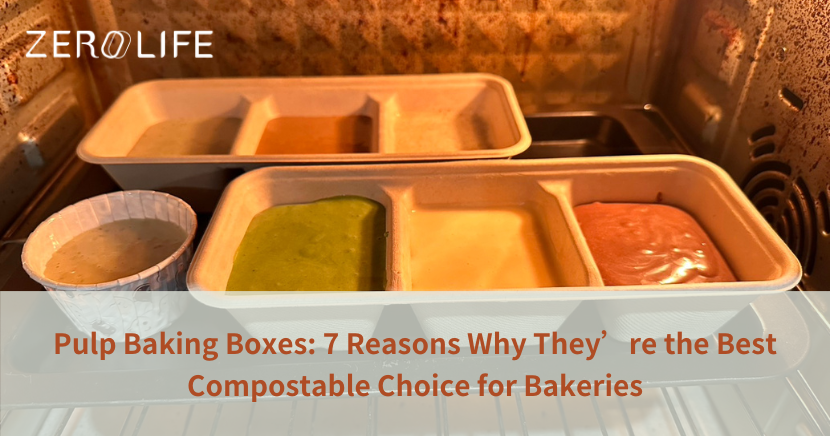
Pulp baking boxes might not sound glamorous at first, but they’ve quickly become my favorite choice for packaging baked goods—all thanks to their eco-friendly credentials and practical design. These compostable wonders are the go-to solution for bakeries committed to reducing waste and embracing sustainability. If you care about the environment and are looking for ways to make bakery packaging better for the planet, read on!
In the global fight against plastic waste, pulp baking boxes stand out as heroes. Made from natural plant fibers, these boxes are not only compostable but also surprisingly durable. They provide a guilt-free, stylish way to package your baked treats, whether you’re a bakery owner, a home baker, or just someone who enjoys giving baked goods as gifts. From reducing your carbon footprint to looking great on a countertop, here are seven reasons why pulp baking boxes are the best compostable packaging choice for bakeries.
What Are Pulp Baking Boxes?
You might be wondering what pulp baking boxes actually are. Put simply, they’re packaging boxes made of plant fibers, sourced from renewable raw materials like bamboo, sugarcane, or recycled paper. Unlike plastic containers, these boxes are biodegradable and commercially compostable, which means they break down into natural components without harming the environment.
The Difference Between Compostable and Biodegradable
One important thing to understand is the difference between “compostable” and “biodegradable.” While both might sound similar, compostable materials break down much faster and contribute to nourishing the soil when decomposing. Biodegradable materials, on the other hand, may take years (or decades) to fully degrade. The great thing about pulp baking boxes is that they’re industrially compostable, turning into nutrient-rich compost within weeks when properly processed. That’s good news for bakeries that want to keep packaging eco-friendly and waste-free.
7 Reasons Why Pulp Baking Boxes Are Perfect for Bakeries
So, why should bakeries choose pulp baking boxes over other types of packaging? The reasons are pretty compelling! Let me walk you through the benefits of these sustainable boxes and how they fit into a bakery’s modern eco-conscious business model.
1. Compostable and Eco-Friendly
The main advantage of pulp baking boxes is, unsurprisingly, their compostability. Since they’re made from organic materials like bamboo or bagasse (sugarcane fiber), they’ll break down entirely in a composting facility. Many countries are moving toward banning single-use plastics, which makes switching to compostable alternatives both forward-thinking and eco-savvy.
- They decompose in a controlled environment within 12 weeks, meaning they don’t contribute to landfill waste.
- Unlike plastic, they don’t release toxic chemicals into the environment.
- They align with growing consumer demand for greener packaging options.
2. Sturdy and Heat-Resistant
If you think compostable means flimsy, think again! Pulp baking boxes are surprisingly durable and can withstand the rigors of transporting, storing, and presenting baked goods. Thanks to their ability to resist grease and moisture, they keep pastries, cupcakes, and other treats fresh and intact.
- Perfect for hot and fresh pastries, as the boxes can handle temperatures up to 200°F.
- No soggy cupcakes or leaky messes—the boxes are greaseproof and moisture-resistant.
For me, this is a game-changer. As a small-batch baker, I’ve tried various biodegradable packaging options that fell short on sturdiness. With pulp baking boxes, I no longer worry about product quality when delivering to customers!
3. Lightweight and Convenient
One thing I love about these plant fiber boxes is how lightweight they are. As someone who often sends out bulk boxes for catering events or parties, I need packaging that’s easy to stack and transport. Pulp baking boxes tick all the right boxes here.
- Easy to carry and won’t add unnecessary weight to your orders.
- Compact design for efficient storage in your bakery kitchen.
- Hassle-free disposal—your customers can simply toss them into a compost bin.
4. Aesthetic Appeal
Let’s face it: presentation matters, especially for baked goods. Pulp baking boxes have a natural, rustic charm that complements the artisan feel of baked products. For bakeries looking to boost their branding, this is a major selling point. When paired with branded labels or ribbon, these boxes elevate the unboxing experience for customers.
5. Cost-Effective for Businesses
Another misconception is that compostable packaging is expensive. While pricing can depend on suppliers, I’ve found that buying pulp baking boxes in bulk is highly cost-effective compared to traditional plastic or foil-lined boxes. Plus, the long-term savings on waste disposal fees and alignment with eco-friendly trends outweigh the initial costs.
6. Great for Marketing Your Bakery
Consumers today love brands that prioritize sustainability. By using pulp baking boxes, you can position your bakery as a green, forward-thinking business. Trust me, I’ve seen bakery customers light up when they find out the packaging can go straight to their compost bins!
- Include a note with each box letting customers know it’s compostable.
- Highlight your sustainable practices in social media campaigns to attract eco-conscious buyers.
- Partner with local compost facilities to offer drop-offs for packaging.
7. Reduces Environmental Impact
Finally, the most obvious (and perhaps most vital) reason: reducing your carbon footprint. Switching to pulp baking boxes means fewer plastics in landfills, less harm to wildlife, and a positive ripple effect on the planet’s health.
How to Start Using Pulp Baking Boxes
If you’re ready to make the sustainable switch, start by sourcing your boxes from reputable vendors. Look for certifications like “FSC Certified” or “BPI Compostable” to ensure you’re getting authentic eco-friendly materials. Many online packaging suppliers now offer customizable options to suit specific business needs. Pro tip: invest in bulk orders to maximize savings and keep a consistent supply for your bakery operations.
Encourage Customers to Compost
It’s not enough to just use compostable packaging; educating your customers is equally important. Include a small card or label with composting tips, such as:
- “Dispose of this box in your green compost bin.”
- “Not sure how to compost? Visit [Link to a composting resource] to learn more!”
Final Thoughts on Pulp Baking Boxes
In my experience, switching to pulp baking boxes has been one of the best decisions for both my business and my personal values. For anyone who’s serious about reducing waste without compromising quality or style, these boxes are a no-brainer. They reflect a commitment to sustainability while meeting all the practical needs of any busy bakery—truly the best of both worlds!
If you’ve been thinking about adopting greener practices for your bakery, take it from me: pulp baking boxes are the way forward. Together, we can make the world a little sweeter—one compostable box at a time.