
Hello, eco-conscious readers! As we face the reality of our planet’s growing waste problem, it’s impossible to ignore the role plastic plays in environmental pollution. Fortunately, innovative solutions are helping companies move toward plastic-free packaging, and one of the most exciting developments is plant fiber meal boxes. These alternatives not only help reduce plastic waste but also offer sustainable, practical benefits for businesses and consumers alike. Let’s explore why more companies are saying goodbye to plastic for good and how these changes are shaping a cleaner future.
Plastic-free packaging is no longer just a buzzword—it’s becoming a movement. As companies worldwide embrace sustainable practices, plant fiber meal boxes have emerged as a revolutionary solution. Made from renewable, biodegradable materials, these packaging alternatives align with eco-friendly values and reduce the long-term environmental impact of single-use plastics. From convenience and safety to their ability to break down harmlessly after use, plant fiber meal boxes represent a smarter, greener choice for businesses and individuals alike.
What is Plastic-Free Packaging and Why Does It Matter?
Plastic-free packaging refers to using eco-friendly materials, such as plant fibers, glass, paper, or compostable bioplastics, rather than traditional petroleum-based plastics. With the world producing over **300 million tons of plastic every year**, much of which ends up in landfills or oceans, these alternatives are critical to preserving our planet.
- Plastic pollution severely impacts marine ecosystems, harming wildlife and disrupting food chains.
- Plastics can take hundreds of years to break down, leaching harmful chemicals into the soil and water.
- As climatic issues worsen, reducing plastic waste is a key step toward a zero-carbon future.
Switching to plastic-free packaging supports environmental sustainability while offering opportunities for businesses to meet growing consumer demand for ethical products.
The Rise of Plant Fiber Meal Boxes in Plastic-Free Packaging
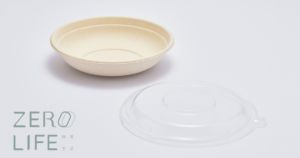
One of the standout innovations in plastic-free packaging is plant fiber meal boxes. Made from agricultural waste like wheat straw, sugarcane bagasse, or bamboo, these boxes provide a sustainable alternative for food service and storage. Here’s why so many companies are embracing them:
The Environmental Advantages
By opting for plant fiber meal boxes, companies significantly reduce their environmental footprint. Here are the eco-friendly benefits these packaging solutions offer:
- Biodegradable and Compostable: Unlike plastic containers, plant fiber boxes decompose naturally within weeks to months, leaving no toxic residue behind.
- Made from Renewable Resources: These boxes utilize readily available materials such as agricultural byproducts, reducing reliance on fossil fuels.
- Reduced Carbon Emissions: The manufacturing process for plant fiber products emits fewer greenhouse gases compared to plastic production.
Functional and Practical Benefits
Plant fiber meal boxes are not just eco-friendly—they’re incredibly convenient and functional for businesses and consumers alike:
- Durability: These boxes are sturdy, capable of holding liquids, hot meals, and all types of food without breaking down.
- Microwave and Freezer-Safe: Plant fiber boxes retain their quality in both high heat and freezing conditions, making them versatile for food storage.
- Customizable: Perfect for branding, these boxes can be printed with logos and designs using eco-friendly inks.
Real-World Applications
Plant fiber meal boxes are a natural fit for a variety of industries, including:
- Food and Beverage: Restaurants, food trucks, and catering companies can adopt plant fiber boxes to offer takeout or delivery options that match eco-conscious customer values.
- Retail: Grocery stores and meal delivery services can switch to these sustainable packaging options for a cleaner, plastic-free solution.
- Events: Weddings, corporate events, and festivals can minimize waste by using biodegradable meal boxes for food service.
Why Companies Are Moving Toward Plastic-Free Packaging
The shift toward plastic-free packaging, including plant fiber meal boxes, is driven by both practical and ethical considerations. Here’s why businesses around the world are saying goodbye to plastic:
Responding to Consumer Demand
Consumers are increasingly prioritizing sustainability. According to a 2022 Nielsen survey, nearly 70% of global consumers are willing to pay more for eco-friendly and sustainable products. By offering plastic-free packaging, companies can attract this growing demographic and build customer loyalty.
Regulatory Pressures
Governments worldwide are implementing stricter regulations on plastic usage. For instance:
- European Union: Banned single-use plastics such as straws and cutlery in 2021.
- Canada: Phasing out several single-use plastics by the end of 2023.
- India: Imposed a nationwide ban on plastic bags and cutlery.
Switching to plant fiber packaging aligns companies with these policies while avoiding penalties.
Long-Term Cost Benefits
While plastic-free packaging might have a slightly higher upfront cost, it reduces waste management expenses and boosts brand reputation, leading to cost savings and increased revenue over time.
How to Transition to Plastic-Free Packaging
If you’re a business owner or an eco-conscious individual looking to adopt plastic-free packaging, here are some actionable steps to guide the process:
For Businesses
- Evaluate Current Packaging: Begin by assessing the types of plastic packaging you currently use and identify areas for replacement.
- Partner with Sustainable Suppliers: Research reliable suppliers who specialize in plant fiber or other biodegradable options.
- Educate Staff and Customers: Ensure your team understands the benefits of these changes to communicate them effectively to customers.
For Individuals
- Support businesses using eco-friendly packaging and encourage others to make the switch.
- Choose disposable products made from plant fiber or compostable materials for home use.
- Dispose of biodegradable packaging responsibly to allow for proper composting or recycling.
Conclusion: A Future Beyond Plastic
The movement toward plastic-free packaging is a win-win for our planet and its people. Plant fiber meal boxes and other sustainable alternatives are proving to be practical, environmentally-friendly solutions that meet modern demands. By making small, conscious changes—whether you’re a business transitioning to eco-friendly packaging or a consumer choosing biodegradable options—you can help create a cleaner, greener world.
So, the next time you’re choosing packaging, remember: every small step counts, and plastic-free is the way to a brighter future. Together, we can shape a world that values sustainability over waste. Are you ready to say goodbye to plastic for good? Let’s make it happen!