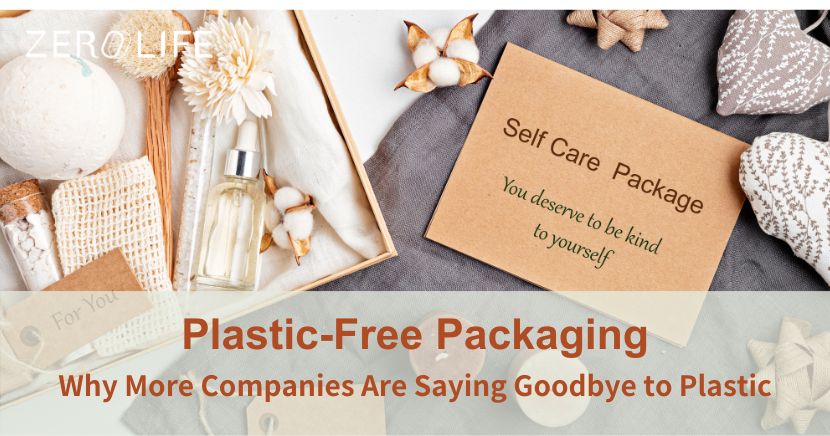
Plastic-Free Packaging: Why More Companies Are Saying Goodbye to Plastic
In recent years, I’ve noticed a growing shift in how companies approach packaging. It’s no coincidence either—there’s simply no denying the environmental cost of single-use plastics. From overflowing landfills to plastic-choked oceans, it’s time we reevaluated how we package the things we buy, use, or eat every day. Plastic-free packaging has emerged as a critical solution, offering sustainable alternatives that reduce waste, conserve resources, and pave the way to a cleaner planet.
The movement toward plastic-free packaging is more than just a trend. It’s rooted in the urgent need to reduce pollution, lower carbon emissions, and switch to sustainable materials that won’t harm the environment. One shining star in this global effort is plant fiber meal boxes. These eco-friendly, biodegradable solutions promise not only to replace plastic but also to provide a practical alternative that fits seamlessly into our daily lives.
Why Plastic-Free Packaging Matters
Let’s face it—plastic is everywhere, and it’s not going away anytime soon if we don’t act. Every minute, the equivalent of one garbage truck of plastic enters our oceans. This alarming statistic is enough to make anyone reconsider grabbing that plastic-wrapped product. The widespread use of plastic creates long-term problems for our ecosystems, our health, and even our economy.
Here’s why we need to prioritize plastic-free packaging now:
- Plastic waste takes hundreds of years to decompose, continuing to pollute the planet for centuries.
- Over 90% of plastic ever produced has not been recycled, ending up in landfills or the environment.
- Microplastics are now present in our waterways, seafood, and even the air we breathe, affecting human and wildlife health.
- Recycling systems are failing to address the sheer volume of plastic waste globally.
Clearly, reducing plastic use is not just a choice but a necessity. This is why plant-based and biodegradable packaging, such as plant fiber meal boxes, has gained traction worldwide.
The Solution: What Are Plant Fiber Meal Boxes?
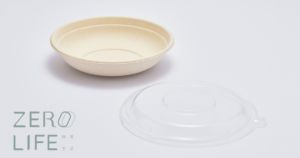
Plant fiber meal boxes are made from natural, renewable materials like bagasse (sugarcane residue), bamboo pulp, and wheat straw. Unlike plastic, these materials decompose naturally—often within months—leaving no toxic residue behind.
What’s even better is that they’re incredibly versatile! Used widely in food packaging, plant fiber boxes maintain the benefits we associate with plastic, such as durability, resistance to moisture, and usability in transportation, without the harmful environmental trade-off.
Here’s why companies are embracing plant fiber meal boxes:
- Eco-Friendliness: They are biodegradable and compostable, breaking down naturally to enrich the soil.
- Renewable Material: Made from agricultural byproducts, these boxes utilize waste that would otherwise be discarded.
- Durability: They are sturdy, moisture-resistant, and capable of holding various food items without leaking.
- Versatility: Perfect for restaurants, food delivery, and takeout orders, proving they can seamlessly replace plastic options.
- Carbon Footprint: The production process consumes less energy compared to plastic, lowering greenhouse gas emissions.
Each of these advantages demonstrates why sustainable solutions like plant fiber meal boxes are the way forward.
How Companies Are Leading the Way with Plastic-Free Packaging
I’m thrilled to see many companies taking bold steps toward plastic-free packaging. Whether it’s globally recognized brands or emerging startups, businesses across industries are beginning to prioritize sustainability. Here are some inspiring examples that emphasize the future of eco-conscious business practices:
- Food Services: Global coffee chains are now opting for compostable takeout containers and plant fiber meal boxes for deliveries.
- Retail: Many retailers use biodegradable wrapping materials, paper packs, or cloth pouches instead of plastic bags.
- E-commerce: Sustainable stores have fully phased out plastic fillers, choosing paper, cardboard, or even cornstarch-based peanuts instead.
By choosing innovative packaging materials, businesses are proving that making the eco-friendly switch can also improve customer loyalty, attract environmentally conscious consumers, and enhance brand reputation.
How Consumers Can Help Demand Plastic-Free Packaging
While companies play a crucial role, I believe our choices as individuals can significantly influence the market. If enough of us demand plastic-free packaging, businesses will have no choice but to adapt.
Here’s how you can encourage sustainable packaging:
- Support brands that use plant fiber meal boxes or other sustainable materials.
- Provide constructive feedback to businesses by requesting eco-friendly alternatives to plastic packaging.
- Reduce single-use plastics in your daily life for items like straws, cutlery, and food containers.
- Opt for grocery stores or markets that allow packaging-free shopping or use renewable materials.
Together, consumers and corporations can work toward a world where unnecessary plastic becomes a thing of the past.
The Road Ahead: A Plastic-Free Future
Switching to plastic-free packaging isn’t just about making better choices today—it’s about securing a healthier planet for generations to come. By supporting natural, renewable alternatives like plant fiber meal boxes and similar innovations, we’re taking powerful steps toward addressing the global waste crisis.
I’ve seen firsthand how these small changes accumulate into a larger impact. Each time we reach for a biodegradable box or demand eco-friendly packaging from a company, we’re sending a message: the days of plastic dependence are over. As more individuals, businesses, and governments commit to sustainable solutions, it feels like we’re on the brink of a revolutionary shift in packaging—and I, for one, couldn’t be more excited to witness it.
In the end, plastic-free packaging is more than a product swap—it’s a commitment to living in harmony with the planet, proving we can protect nature while enjoying the comforts of modern life. Let’s continue to push for better alternatives and reclaim our right to a cleaner, greener world. Together, we can say goodbye to plastic for good.