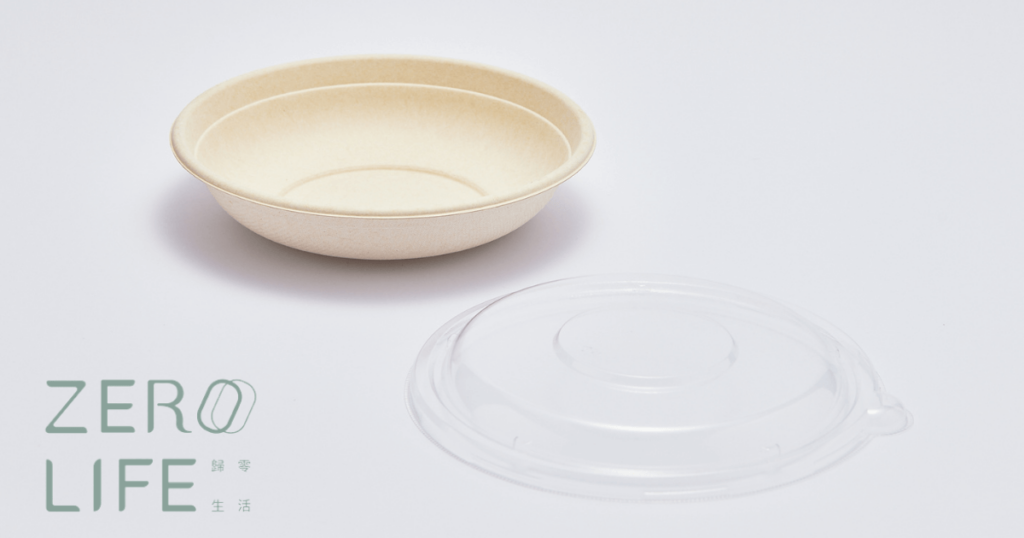
Plastic-free packaging is no longer just a trend—it’s a necessity in the fight against our planet’s escalating plastic waste crisis. Across the globe, more companies are saying goodbye to plastic, turning to sustainable options like plant fiber meal boxes. These innovative solutions not only reduce environmental impact but also cater to eco-conscious consumers who are demanding greener alternatives. So, why is the shift toward plastic-free packaging so important, and how can these changes make a real difference? Let’s explore!
Plastic-free packaging is transforming the way industries approach sustainability. By opting for alternatives like plant fiber meal boxes, businesses are minimizing their contribution to plastic pollution and lowering their carbon footprint. These biodegradable solutions are sourced from renewable materials like sugarcane, bamboo, and wheat straw, offering a natural, functional, and affordable way to package food and goods. With consumer demand for eco-friendly options on the rise, plastic-free packaging isn’t just an environmental choice—it’s a smart business decision.
—
Why Plastic-Free Packaging Matters
The transition to plastic-free packaging isn’t merely a growing movement; it’s fundamentally a response to urgent global concerns. Here’s why we simply cannot ignore the need for a shift:
The Plastic Waste Crisis
Every year, billions of tons of plastic waste end up in landfills, rivers, and oceans. Plastic takes hundreds, sometimes thousands, of years to break down, often disintegrating into harmful microplastics that enter our ecosystems and even our food chain. This poses hazardous risks to wildlife, marine life, and human health.
Consumer Demand for Greener Products
More and more consumers are prioritizing sustainability in their purchasing decisions. Whether it’s reusable bags, recyclable bottles, or plastic-free packaging, people want alternatives that align with their values. Companies that fail to adapt could lose their competitive edge in an increasingly eco-conscious marketplace.
Regulations and Corporate Responsibility
Governments worldwide are implementing stricter regulations to reduce single-use plastics. From plastic bans to producer responsibility policies, companies are under pressure to find sustainable alternatives. Those who lead the charge can set an example for others while avoiding regulatory penalties.
—
The Benefits of Plant Fiber Meal Boxes
Plant fiber meal boxes are more than just a plastic-free solution—they’re a thoroughly modern answer to the demands of both businesses and environmentally conscious consumers. These benefits are proof of their growing popularity:
Eco-Friendly Materials
Plant fiber meal boxes are made from natural, renewable resources like sugarcane (bagasse), bamboo, wheat straw, and other agricultural byproducts. Unlike plastic, these materials biodegrade rapidly, leaving little to no environmental footprint.
Compostability
Unlike traditional plastic containers that sit in landfills for generations, many plant fiber meal boxes are fully compostable. Whether added to a home compost pile or sent to an industrial composting facility, they break down quickly, returning nutrients back to the soil.
Durability and Functionality
Despite being made of plant fibers, these containers are surprisingly durable. They can handle hot and cold food, resist leaks, and are microwave- and freezer-safe. This makes them a realistic, practical solution for restaurants, meal prep services, and even home use.
Improved Aesthetics
Let’s face it—plant fiber packaging often looks better. The natural texture and clean lines give these boxes a modern, minimalist appeal that many consumers love. Who knew going green could look this good?
—
How Businesses Can Embrace Plastic-Free Packaging
Transitioning to plastic-free packaging might seem overwhelming at first, but it’s simpler than you might think. Here’s a blueprint that can help businesses make the switch effectively:
Evaluate Current Packaging Practices
Start by auditing your current packaging processes. What materials are you using? Are they recyclable or compostable? Are there areas where you can eliminate unnecessary plastic use altogether?
Choose the Right Alternatives
Not all packaging solutions are created equal, so it’s important to choose products that suit your specific needs. For food services, plant fiber meal boxes and compostable cutlery might be the best bet. Retailers might find paper-based or fabric options more suitable.
Educate Your Customers
Once you’ve transitioned to plastic-free packaging, communicate the change to your customers. Use labels, social media, and in-store signage to highlight your commitment to sustainability. Let them know how your choices are helping the environment and encourage them to do the same.
—
Making Plastic-Free Packaging the New Norm
As more companies embrace plastic-free packaging, adopting it doesn’t just remain a personal or business choice—it becomes part of a broader solution to the global waste problem. Here’s how you can help accelerate this shift in everyday life:
- Support Businesses That Go Plastic-Free: Choose companies that actively promote sustainable practices and use eco-friendly packaging.
- Encourage Policy Changes: Advocate for stricter regulations around single-use plastics and incentives for businesses using biodegradable materials.
- Educate Yourself: Stay informed on the latest environmental issues and inspire others in your community to make sustainable changes.
- Reduce, Reuse, Recycle: Wherever possible, reduce waste, reuse packaging materials, and recycle properly to minimize your environmental impact.
—
What the Future Holds for Plastic-Free Packaging
The momentum behind plastic-free packaging is undeniable. As technology and innovation continue to improve, we can expect even more eco-friendly options to hit the market. This shift isn’t just about substituting plastics; it’s about rethinking packaging as a whole. Imagine a world where waste is minimized and resources are reused cyclically—a true circular economy.
We all have a role to play, whether as consumers demanding sustainable choices or businesses setting the bar for industry-wide practices. Together, we can make plastic-free packaging not just a trend but the new normal.
—
The choice to embrace plastic-free packaging isn’t just an environmental imperative—it’s an opportunity to contribute to something far bigger than ourselves. Whether you’re a company looking to minimize your ecological footprint or a consumer making greener choices, every small change matters. When we choose plant fiber meal boxes, compostable options, or other biodegradable packaging solutions, we’re saying goodbye to a disposable culture and hello to a sustainable future. So, are you ready to join the plastic-free movement?