Plastic-Free Packaging: Leading the Way Towards a Sustainable Future
I’ll be honest—plastic waste has always lingered in the back of my mind. Whether it’s the sight of overflowing bins or images of plastic-polluted oceans, it’s clear we need a change. Thankfully, many forward-thinking brands are making significant strides toward creating a sustainable world. One of the most impactful innovations I’ve seen is plastic-free packaging. From plant fiber meal boxes to innovative reusable alternatives, this shift is helping us say goodbye to plastic pollution and embrace eco-friendliness.
What Are Plant Fiber Meal Boxes and Why Do They Matter?
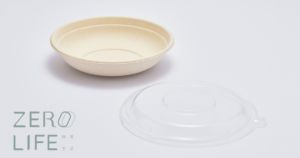
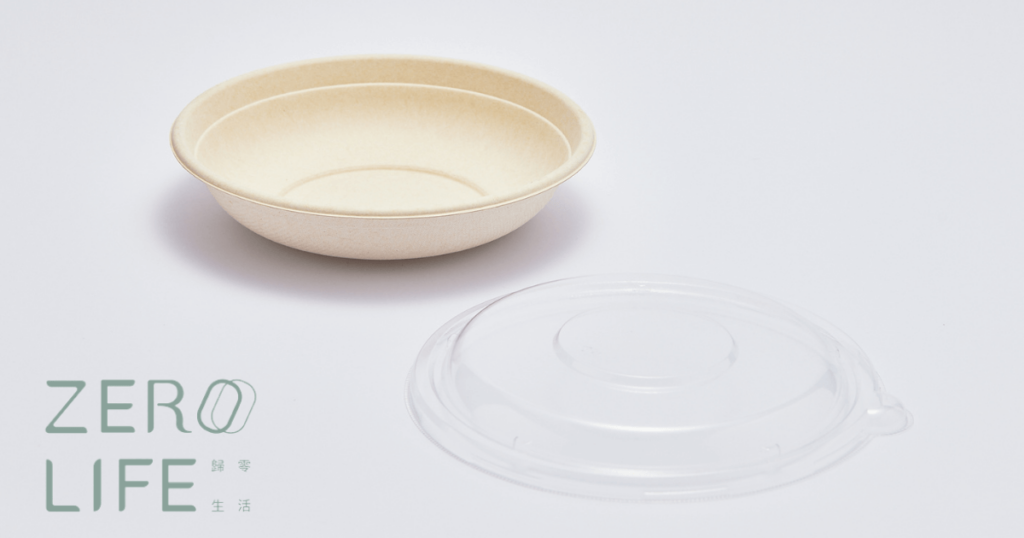
Plant fiber meal boxes are a game-changer in the world of packaging. Made from agricultural byproducts like bagasse (sugarcane residue), wheat straw, and bamboo pulp, these boxes are not just biodegradable but also compostable. Rather than sitting in a landfill for hundreds of years, they break down naturally, leaving no environmental harm behind.
What makes them so special, you might wonder?
The Key Benefits of Plant Fiber Meal Boxes
Plant fiber meal boxes are more than just an eco-friendly alternative. They combine functionality and sustainability, making them a superior choice for brands and consumers alike.
- Eco-Friendly Production: These boxes are crafted from renewable resources, which means no virgin plastic or harmful chemicals are involved in their production.
- Biodegradability: Unlike traditional plastic, plant fiber meal boxes decompose rapidly, even in backyard compost piles.
- Microwave and Freezer-Safe: Many of these boxes are heat-resistant, making them practical for storing and heating food without releasing toxins.
- Food-Safe Materials: Since they’re crafted from plant-based sources, there’s no leaching of harmful compounds into your food. A win for health-conscious eaters!
- Carbon Footprint Reduction: Manufacturing these boxes produces far fewer greenhouse gas emissions compared to conventional plastic packaging.
Brands Embracing Plastic-Free Packaging
I’ve been inspired by the number of brands stepping up to the plate with creative and sustainable solutions. Here’s how some of the trailblazers in the packaging realm are redefining the industry:
Eco-Friendly Food Delivery Services
One area where plant fiber meal boxes are making waves is food delivery. Companies like Just Salad and Chipotle have introduced compostable containers that align with their sustainability missions. For example, Just Salad has completely phased out plastic bowls in favor of reusable and biodegradable packaging options.
Groceries and Supermarkets
Grocery giants like Whole Foods Market are heavily investing in eco-friendly alternatives. They’ve ditched single-use plastics in favor of plant fiber trays for fresh produce, deli items, and baked goods. Local farmers’ markets are also adopting these biodegradable boxes, which customers rave about for their lightweight design and durability.
Fast-Growing Startups
I love seeing small businesses lead the way. Startups like Be Green Packaging and EcoEnclose are empowering other companies to adopt packaging that’s both functional and sustainable. Their plant fiber solutions are tailored for various industries, making them accessible to a wide range of brands across the globe.
How You Can Support the Movement
Making an impact doesn’t just rest on the shoulders of big corporations. As consumers, we hold the power to encourage the shift toward plastic-free packaging. Here’s how we can all play a role:
1. Choose Brands That Prioritize Sustainability
One of the easiest ways to create change is to vote with your wallet. When shopping for groceries or ordering takeout, look for brands that use compostable or plastic-free packaging. Supporting these businesses reinforces the idea that sustainability sells.
2. Educate Friends and Family
I’ve found word-of-mouth to be incredibly powerful in creating awareness. Share articles, documentaries, or personal experiences about how plastic-free packaging is making a difference. The more people know, the more likely they are to make eco-conscious choices.
3. Advocate for Local Change
Have you checked your city’s waste management policies lately? By contacting local businesses and governments, we can advocate for ordinances that promote compostable packaging, ban single-use plastics, and improve recycling infrastructure.
4. Compost at Home
If you’re buying plant fiber meal boxes, why not take the next step and compost them? With a backyard composting system or even a countertop compost bin, you can return these biodegradable containers to the earth instead of sending them to the landfill.
The Future of Plastic-Free Packaging
The way I see it, the future of packaging is incredibly promising. As consumers demand sustainability and innovation becomes more cost-effective, I believe plastic will become less and less relevant in our daily lives. Plastic-free packaging is helping companies meet these new consumer expectations while genuinely improving the health of our planet.
What excites me most is the ripple effect this movement is creating. With every brand that embraces alternatives like plant fiber meal boxes, more industries are inspired to follow suit. And with each small change we make as individuals, the collective impact becomes too big to ignore.
To me, this isn’t just about packaging—it’s about preserving a planet we can be proud to pass on to future generations. So whenever you buy groceries, pick up a takeout order, or shop online, remember that your choice matters. Together, we can say goodbye to plastic and hello to a greener, cleaner future.
—
Whether you’re new to sustainable living or a seasoned advocate, I hope this article inspires you to rethink the role of packaging in your life. Have you tried plant fiber meal boxes or supported brands with plastic-free packaging? Let me know in the comments—I’d love to hear your experiences and ideas for a more sustainable future!