
For those of us striving to lead more sustainable lives, our choices in daily consumption play a critical role. One significant area we can focus on is food packaging. With plastic waste polluting our waterways and landfills, switching to alternatives like plant-based food packaging can make a huge impact. These innovative solutions provide eco-friendly, functional options without compromising convenience. Let’s dive into how plant-based packaging, especially plant fiber meal boxes, can help us reduce waste and protect our planet.
Plant-based food packaging is the greener future we’ve all been waiting for. Made from renewable materials like sugarcane fiber, corn starch, and wheat straw, these eco-friendly alternatives to traditional plastic packaging reduce environmental impact while serving practical purposes. Plant fiber meal boxes, in particular, are compostable, biodegradable, and durable, making them the perfect pick for sustainable living. In this post, I’ll highlight how these packaging options can transform our approach to sustainability while enriching our everyday lives.
Why Plant-Based Food Packaging Matters
As we grapple with the global plastic crisis, the importance of alternatives cannot be overstated. Traditional plastic packaging is derived from petroleum, making it non-renewable and extremely harmful to the environment. Billions of tons of plastic waste enter ecosystems every year, posing risks to wildlife, marine life, and even human health. Here’s why plant-based food packaging is a game-changer:
- Renewable Resources: Plant-based materials like bamboo, cornstarch, and bagasse (sugarcane fibers) come from renewable sources, unlike fossil fuels.
- Biodegradable and Compostable: Unlike plastic that takes centuries to decompose, plant-based materials break down naturally in months under the right conditions.
- Reduction in Carbon Footprint: Plant-based packaging typically has a much smaller carbon footprint during production and disposal compared to plastics.
The shift to plant-based packaging isn’t just an environmental imperative—it’s also a smart lifestyle change for those of us who want to minimize waste and live more sustainably.
The Benefits of Plant Fiber Meal Boxes
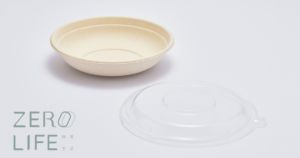
Let’s talk specifically about plant fiber meal boxes. These versatile containers are made from materials like bagasse (the fibrous pulp left from sugarcane processing), wheat straw, and even bamboo. Here’s why they’re the ideal option for food packaging in eco-conscious households or businesses:
1. Compostable and Biodegradable
Plant fiber meal boxes are designed to disintegrate quickly when composted. In about 90 to 120 days, the organic material breaks down into nutrient-rich compost, leaving no toxic residue. For households and restaurants with compost bins, this presents an excellent way to close the loop on food packaging waste.
2. Durable and Reliable for Food Storage
One misconception about plant-based food packaging is that it’s flimsy or unreliable. On the contrary, plant fiber meal boxes are durable enough to hold solid and liquid foods without leaking or breaking down prematurely. As someone who often packs lunches for work or leftovers after a meal, I’ve found them both effective and practical.
3. Heat and Microwave Safe
One thing I love about these meal boxes is their heat resistance. They can handle hot foods and liquids without releasing toxins, unlike many plastics. They’re even microwave safe, making them a convenient choice for reheating meals—whether you’re at home, in the office, or on the go.
4. Stylish Minimalism
We can’t overlook the aesthetics! Plant fiber meal boxes have a sleek, minimalist style that’s perfect for presenting meals. That’s why they’re becoming increasingly popular among eco-friendly cafés, food trucks, and restaurants. As someone who appreciates green alternatives, I always admire businesses that prioritize these kinds of choices.
Switching to Plant-Based Food Packaging: What You Can Do
You might be wondering how to incorporate plant-based packaging into your daily life. It’s easier than you think! Here’s how you can start making sustainable swaps right away:
- Use It in Your Home: Start with the basics by incorporating plant-based food storage options at home. From lunchboxes to takeout containers for leftovers, these options are eco-friendly and family-safe.
- Support Businesses that Use Plant-Based Packaging: Many eco-focused restaurants, cafés, and retailers are adopting sustainable packaging. Make a conscious effort to support their green initiatives.
- Switch at Work: If you’re in charge of procurement or operations in your office, suggest switching to sustainable alternatives for workplace caterings, employee events, or cafeterias.
- Compost When Possible: Pairing plant fiber meal boxes with a robust composting routine is critical to preventing the materials from ending up in landfills.
- Spread the Word: Help educate friends, family, and colleagues about the benefits of plant-based food packaging. Sharing resources and leads for sustainable alternatives builds awareness.
Global Trends in Plant-Based Food Packaging
The growth of plant-based packaging is not just a local trend—it’s a global movement. From the rise of “zero-waste” grocery stores in Europe to biodegradable innovations in Asia, sustainable packaging solutions have become a key beacon of environmental responsibility. Large corporations and small businesses alike are embracing these options, contributing to significant reductions in single-use plastics.
Businesses Driving Change
Major global brands like McDonald’s and Starbucks are transitioning to innovative materials like plant fiber for their packaging needs. Additionally, startups focusing on circular economies are emerging worldwide, creating awareness and driving innovation in plant-based packaging. As consumers, the more we demand these changes, the faster corporations will adopt sustainable practices.
Government Regulations and Incentives
Many governments have started banning single-use plastics and providing tax incentives for businesses adopting biodegradable materials. For example, the European Union has implemented strict guidelines around disposable plastics, while countries like India and Kenya are leading bans on plastic bags and packaging materials. These policies are helping to push plant-based packaging into the mainstream.
The Way Forward: Small Actions for Big Impact
It might seem daunting to tackle the global issue of plastic waste, but even small changes in our consumption patterns make a difference. By adopting plant-based food packaging, supporting eco-conscious businesses, and spreading awareness, we can collectively steer the world toward a greener future.
If you haven’t already made the switch, I encourage you to give plant-based options like fiber meal boxes a try! Start with small changes in your routine, and soon, you’ll find how effortlessly these eco-friendly solutions integrate into your life while contributing positively to the environment.
The road to sustainability is paved with the choices we make every day. Let’s make plant-based food packaging part of that journey, one meal at a time.