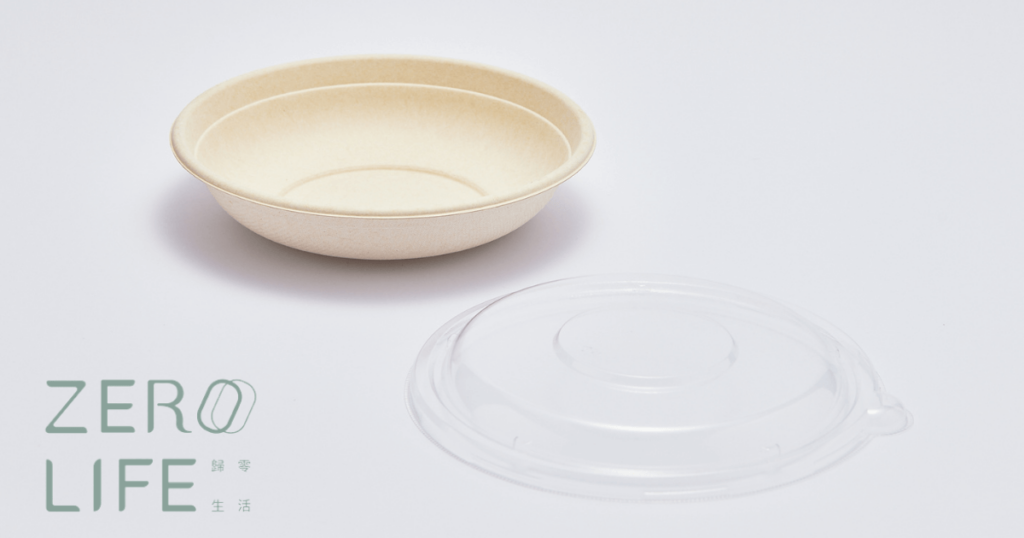
Plant-based food packaging is no longer a futuristic concept—it’s here, and it’s revolutionizing the way we package food sustainably. As someone committed to eco-friendly living, I often come across staggering statistics about plastic pollution, and it’s a motivator to explore better alternatives. One of the most exciting innovations I’ve encountered is plant-based food packaging, specifically plant fiber meal boxes. Choosing these options doesn’t just align with sustainability; it also contributes to reducing plastic waste and safeguarding our planet for generations to come.
Plant-based food packaging combines environmental responsibility with practicality, making it an ideal option for sustainable brands and conscious consumers. Not only are plant fiber meal boxes biodegradable, but they also offer durability and versatility for various uses—from take-out orders to home meal prep. This packaging is made using renewable resources like sugarcane, wheat straw, or bamboo, which further emphasizes its eco-friendly appeal. In today’s blog, I’ll share why plant-based food packaging should be your go-to solution, its real-world applications, and actionable steps to incorporate it into everyday lifestyle or business practices. Let’s dive into this transformative topic!
What Is Plant-Based Food Packaging?
Plant-based food packaging refers to materials made from renewable plant fibers rather than petroleum-based plastics. These materials are derived from agricultural waste or fast-growing plants that minimize environmental impact during production and disposal. Some popular plant fibers include sugarcane bagasse, bamboo, wheat straw, and cornstarch.
Why Choose Plant-Based Packaging?
Eco-conscious consumers and sustainability-focused brands prefer plant-based packaging for several compelling reasons. Here are the key benefits:
- Reduces Plastic Pollution: Unlike traditional plastic, which takes hundreds of years to decompose, plant-based packaging is biodegradable and often compostable.
- Lower Carbon Footprint: The production cycle of plant fiber-based packaging requires fewer fossil fuels and generates less greenhouse gas emissions.
- Promotes Circular Economy: These materials can often be recycled or composted, reducing waste accumulation in landfills.
Now that we understand the basics, let me walk you through one of the most versatile applications of plant-based packaging: plant fiber meal boxes.
Plant Fiber Meal Boxes: A Sustainable Solution for On-The-Go Meals
Meal boxes made from plant fibers have become a game-changer in the food packaging industry. Whether you’re a busy individual who frequently purchases take-out or a business owner offering delivery services, these boxes offer a practical yet sustainable solution.
Advantages of Plant Fiber Meal Boxes
Plant fiber meal boxes are not just good for the planet; they’re designed with user convenience in mind. Here’s why these boxes are gaining popularity:
- Durability: Despite their natural composition, plant fiber meal boxes are sturdy enough to hold a variety of hot and cold foods without leaking or breaking down.
- Microwave and Freezer Safe: Many plant-based meal boxes are safe for microwaving or freezing, making them ideal for food storage and meal prep.
- Biodegradability: The material decomposes naturally, leaving a minimal environmental footprint.
- Customizable Design: Businesses can customize these boxes with logos or branding while keeping the focus on sustainability.
These meal boxes are an excellent fit for eco-conscious restaurants, catering services, or even families looking to reduce their household plastic waste.
Real-World Applications of Plant-Based Food Packaging
Plant-based food packaging isn’t limited to meal boxes. Its applications are growing rapidly across industries. Let me outline some real-life examples where plant-based packaging is making a difference:
1. Restaurants and Food Delivery Services
Food service businesses worldwide are adopting plant-based containers for take-out and deliveries. Many local eateries in my area now use biodegradable plant fiber boxes, which make me feel good about my choices every time I order in. Globally, larger franchises are also transitioning to compostable packaging to appeal to sustainability-driven consumers.
2. Meal Prep Companies
Companies specializing in meal kits are opting for plant-based boxes as they align perfectly with their “fresh and healthy” message. Imagine receiving weekly pre-portioned meals in packaging that not only feeds you but also nurtures the planet.
3. Retail Food Products
Snack and grocery brands have started to package their ready-to-eat goods in plant-based materials. From cookies to salad greens, these eco-friendly options are becoming readily available on store shelves.
How to Integrate Plant-Based Packaging Into Your Life
Whether you’re a business owner or someone trying to make better everyday choices, there are plenty of ways to opt for plant-based packaging. Here’s how:
For Businesses
- Partner with packaging suppliers specializing in plant fiber-based containers.
- Highlight your commitment to sustainability by advertising the eco-friendliness of your packaging.
- Incorporate composting programs to manage packaging waste effectively.
For Individuals
- Support brands and restaurants using plant-based packaging whenever possible.
- Begin composting at home to ensure proper disposal of biodegradable packaging.
- Advocate for local businesses to adopt sustainable packaging practices.
The Future of Plant-Based Food Packaging
As consumer demand for sustainable solutions grows, plant-based food packaging is evolving rapidly. Advances in technology are improving the affordability and functionality of these products, making them more accessible to businesses and individuals alike. I’m optimistic that this shift represents a larger cultural move toward environmental stewardship.
Takeaways
Switching to plant-based packaging is a practical and impactful way to contribute to a healthier planet. Whether you’re a consumer looking to reduce single-use plastics or a brand seeking sustainable packaging solutions, plant fiber meal boxes offer an eco-friendly alternative that doesn’t compromise quality or usability.
So, the next time you’re faced with a choice—whether it’s selecting take-out packaging or grocery items—remember that your decision can have a lasting impact. Choose plant-based food packaging and join me in supporting a greener, cleaner future.