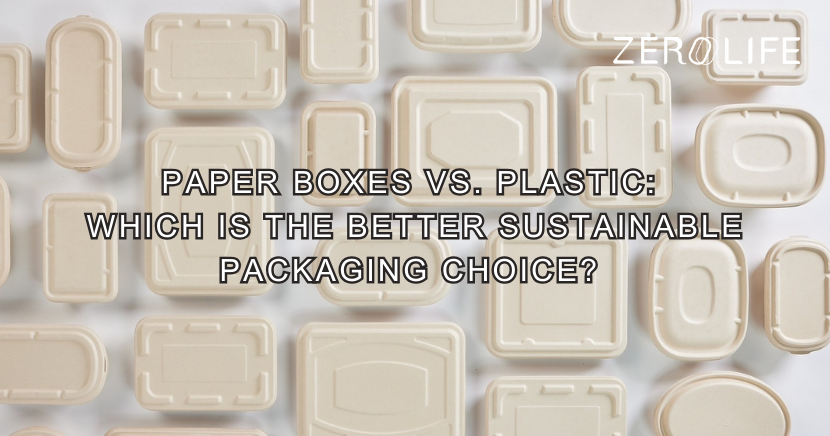
Our daily choices, ranging from the clothes we wear to the boxes we use to package food and goods, have wide-reaching environmental impacts. One of the hotly debated topics in the realm of sustainable living is the choice between paper boxes and plastic when it comes to packaging. This matters because packaging waste is one of the leading causes of pollution, filling up landfills and oceans worldwide. By choosing the right materials, we can significantly reduce plastic waste and protect our planet.
When it comes to sustainable packaging, paper boxes have gained attention as an eco-friendly alternative to plastic. Unlike plastic, which takes centuries to decompose, paper boxes break down much faster and have the potential to be recycled, reducing waste buildup. Whether you’re buying takeout or looking for an environmentally friendly storage solution, paper boxes offer a versatile, planet-friendly option. But are they durable, cost-effective, and practical? Let’s look at how they stack up against plastic when considering sustainability in detail.
The Rise of Paper Boxes in Sustainable Packaging
The shift from plastic to paper boxes in packaging isn’t just a fleeting trend; it’s part of a global movement toward more sustainable practices. Many businesses, restaurants, and retailers are switching to paper for a variety of reasons, primarily environmental ones. But what makes this transition so aligned with sustainability efforts?
Why Paper Boxes Are Considered Sustainable
Paper boxes are made from renewable resources like wood pulp and plant fibers, giving them a major advantage over plastic. Unlike plastic, which is derived from non-renewable fossil fuels, paper uses materials that can be sustainably grown and harvested.
Here’s why paper boxes stand out:
- Biodegradable: Paper boxes decompose naturally, often breaking down within weeks in regular composting conditions. Plastic, on the other hand, can persist in the environment for hundreds of years.
- Recyclable: Most paper boxes are recyclable, even if they previously contained liquids or food grease. This reduces waste that ends up in landfills.
- Lower Carbon Footprint: Producing paper often emits less carbon dioxide compared to manufacturing single-use plastics. Furthermore, trees used in paper-making can capture CO2 during their growth cycle, providing a natural counterbalance.
- Versatile Applications: From food takeaway containers to shipping boxes, paper packaging serves many purposes with minimal environmental harm.
Limitations and Challenges
It’s important to recognize that while paper boxes are more sustainable, they’re not perfect. Overharvesting trees to produce paper products can lead to deforestation if not managed responsibly. Additionally, the production process for paper still requires energy and water, even if much less than that of plastics. That’s why choosing paper products certified by bodies like the Forest Stewardship Council (FSC) is crucial to ensure you’re supporting sustainable practices.
Comparing Paper Boxes and Plastic in Real-Life Scenarios
To decide between paper boxes and plastic, we need to consider real-world applications. Below are some common scenarios where the two materials are used, highlighting their benefits and drawbacks:
1. Food Packaging
Paper boxes have become a go-to solution for packaging food, especially in restaurants, cafes, and food delivery services. Here’s why:
- Eco-Friendly Takeout Solutions: Many food establishments now use paper boxes as an alternative to Styrofoam or plastic containers. These boxes keep food fresh without contributing to non-biodegradable waste.
- Grease-Resistant Coatings: Paper meal packaging often has a thin biodegradable coating to prevent food oils and liquids from seeping through, making it more practical for messy dishes.
- Compostable Options: After use, most paper food boxes can go into a compost pile, enriching the soil instead of polluting the earth.
In comparison, plastic containers can leach harmful chemicals when exposed to heat and are rarely recycled effectively, with only a small percentage making it to recycling facilities.
2. Shipping and Storage
The shipping world once relied heavily on plastic packaging due to its durability and tear resistance. However, many businesses now favor corrugated cardboard boxes due to their sustainability.
Paper boxes are ideal for shipping large items because they:
- Are lightweight yet sturdy, reducing transportation emissions.
- Provide ample cushioning when paired with biodegradable fillers.
- Are easily recycled by consumers after deliveries.
On the other hand, plastic packaging like bubble wrap is still pervasive but increasingly being replaced by paper-based alternatives.
3. Retail Packaging
The shopping experience has seen a major shift in recent years, with retailers opting for paper bags instead of plastic. Paper bags offer a premium feel, are gentler on the planet, and are more likely to be reused by shoppers. Plastic bags, while lightweight and waterproof, contribute significantly to litter and clogged waterways.
Making the Switch: Practical Tips for Consumers
Switching from plastic to paper boxes doesn’t have to be difficult. Here are a few actionable ways to incorporate paper packaging into your daily life:
- Opt for Recyclable Packaging: Whenever you have a choice between paper and plastic, go for paper. Look for packaging that is labeled as recyclable or biodegradable.
- Compost Used Paper Boxes: Once you’ve finished using a paper container, check if it can go into your compost bin. This simple step reduces landfill waste and creates nutrient-rich compost for your garden.
- Choose FSC-Certified Paper Products: Support products that come from responsibly sourced materials by choosing Forest Stewardship Council (FSC) certified paper packaging.
- Repurpose Paper Boxes: Use old paper boxes for organizing, storage, or even as DIY craft materials, extending their life and minimizing waste.
Final Thoughts: The Future of Sustainable Packaging
The choice between paper boxes and plastic highlights the broader push for sustainability. Paper boxes, while not free from environmental impact, are a clear step up in terms of reducing waste, promoting recyclability, and limiting carbon emissions when responsibly sourced.
Consumers and businesses alike have the power to drive change through their packaging choices. By supporting eco-friendly solutions like paper boxes and holding companies accountable for their environmental practices, we can collectively create a cleaner, less wasteful future for generations to come. Let’s take this step together—one package at a time.
For customized eco-friendly packaging solutions, join our official Line account for direct inquiries!