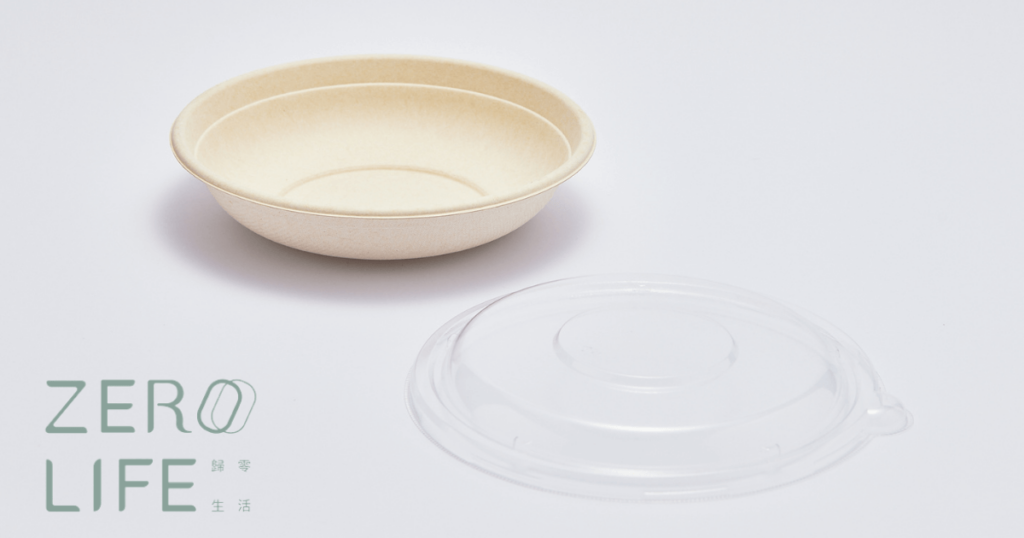
Paper Box Packaging vs. Plastic: Which One Is More Sustainable?
Sustainability has become more than just a buzzword; it’s a critical focus for individuals and businesses alike. As we see the devastating impact of plastic pollution worldwide, the question arises: how can we reduce this harm? One of the most significant changes we can make is in the packaging we use every day. One sustainable alternative gaining attention is paper box packaging. But how does it compare to plastic packaging in terms of environmental impact and practicality?
Sustainable packaging is not just an eco-trend—it’s an actionable solution for reducing waste, conserving resources, and improving our planet’s overall health. Paper box packaging, made from biodegradable and recyclable materials, offers advantages over plastic. In this article, I’ll explore the environmental benefits, applications, and potential drawbacks of paper box packaging to help you make more informed choices for a sustainable future.
Why Paper Box Packaging Is a Game Changer
When it comes to packaging, the conversation often revolves around renewable and non-renewable materials. Paper box packaging, primarily made from recycled paper and sustainable wood sources, stands out for its eco-friendly attributes.
1. Biodegradable and Compostable
Unlike plastic, which may take hundreds of years to decompose, paper boxes are inherently biodegradable. They can break down in a matter of months under natural conditions, leaving little to no waste behind. Many paper box manufacturers are also exploring compostable options, adding further environmental advantages.
2. Recyclability
One of the biggest challenges with plastic is that it’s often non-recyclable or requires specialized processes that aren’t accessible in most parts of the world. On the other hand, paper packaging is widely accepted in recycling programs. By reusing paper fibers, less virgin material is needed, conserving forests and energy.
3. Lower Carbon Footprint
Paper production consumes less energy compared to plastic and often relies on renewable energy sources. Efforts to source paper ethically, such as through FSC-certified wood, further reduce the carbon footprint of paper packaging compared to petroleum-based plastics.
Practical Applications of Paper Box Packaging
Paper box packaging has practical benefits that make it a suitable choice for businesses and consumers alike. Let’s dive into a few examples.
1. Food Packaging Solutions
Paper boxes are commonly used in the food industry due to their safety and versatility. For example:
- Takeout containers: Many restaurants now use paper boxes for takeout and delivery, as they are often lined with biodegradable coatings to prevent leaks.
- Bakery boxes: Paper boxes with windows allow bakers to showcase their creations while keeping them safe and fresh.
- Lunch trays: Schools and workplaces are adopting paper-based trays to provide sustainable meal packaging options.
2. Eco-Friendly Retail Packaging
Clothing brands and online retailers are leading the way in using paper packaging, replacing plastic bags with paper boxes or paper mailers. Some examples include:
- Sustainable shoe brands shipping in fully recyclable paper boxes.
- High-end retailers offering luxurious, reusable paper gift boxes for a premium unboxing experience.
- Small businesses using kraft paper boxes for products like candles, jewelry, and handmade goods.
3. Events and Gifting
As celebrations continue to shift towards eco-conscious practices, paper boxes are being used for decorations, favor boxes, and gift packaging. Not only do they look elegant, but they are also recyclable and customizable.
Plastic Packaging: Why It’s Still a Problem
To weigh the benefits of paper box packaging, it’s essential to understand the ongoing issues with plastic.
1. Environmental Damage
Plastic waste is infamous for its harmful effects on wildlife and ecosystems. Microplastics—tiny fragments of plastic—have made their way into our oceans, soil, and even food supply.
2. Non-Biodegradability
Most plastics take hundreds of years to break down, creating massive waste in landfills. Even when plastics degrade, they typically release harmful substances into the soil and water.
3. Recycling Challenges
Only about 9% of all plastic ever produced has been recycled. This low recycling rate is due to contamination, lack of facilities, and low economic viability for plastic recycling.
The Future of Sustainable Packaging
While shifting to paper box packaging is a step in the right direction, there are ways to maximize the environmental benefits of this transition. Here are some actionable tips for businesses and consumers:
For Businesses
- Use designs that minimize material usage while maintaining functionality.
- Source paper from sustainably managed forests or recycled paper fibers.
- Collaborate with local recycling programs to ensure your packaging can be easily recycled.
- Clearly label packaging to educate consumers on proper disposal or recycling methods.
For Consumers
- Opt for products with minimal or paper-based packaging wherever possible.
- Repurpose paper boxes before recycling them—for example, using them for storage or DIY projects.
- Support brands prioritizing eco-friendly materials and initiatives.
Challenges of Paper Box Packaging
While paper box packaging offers some clear advantages, it’s not without its challenges:
- Resource intensive: While paper packaging reduces waste, manufacturing it can consume significant amounts of water and energy if not sourced responsibly.
- Lesser durability: Compared to plastic, paper may not offer the same level of durability for certain applications, especially in wet or humid environments.
- Cost considerations: Producing high-quality paper-based packaging can be more expensive than mass-produced plastic, which may impact affordability for some businesses.
Final Thoughts on Paper Box Packaging
As we collectively strive for a more sustainable world, paper box packaging presents a compelling alternative to traditional plastics. By choosing biodegradable, recyclable, and responsibly sourced materials, both individuals and businesses can contribute to reducing environmental harm.
While paper packaging has limitations, its benefits far outweigh those of plastics when it comes to supporting a greener planet. I encourage you to challenge the status quo and opt for paper packaging whenever possible. Together, we can make a difference—one box at a time.