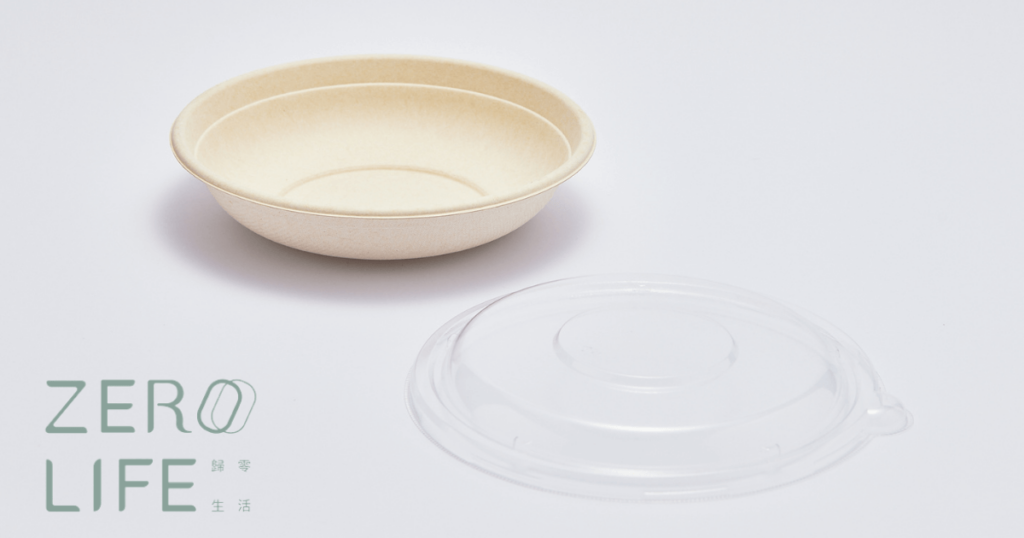
The debate between paper box packaging and plastic isn’t just about convenience—it’s about our responsibility to the planet. With growing concerns over climate change, plastic pollution, and resource conservation, choosing sustainable alternatives has become a priority. Packaging plays a significant role in this dialogue, as it affects not only businesses but also individual choices in everyday life. In today’s post, I’ll break down the environmental impact of paper box packaging versus plastic, helping you discover which option truly supports a more sustainable future.
Why Paper Box Packaging Is Leading the Sustainability Movement
When considering sustainability, paper box packaging stands out as one of the most eco-friendly alternatives on the market. Its biodegradable and recyclable nature makes it the ideal choice for those looking to reduce their environmental footprint. Unlike plastic, which takes hundreds of years to break down and often accumulates in oceans, paper packaging decomposes quickly and enriches the soil without harmful residues. This natural decomposition process positions paper as a significantly greener option compared to conventional plastic.
The Environmental Advantages of Paper Box Packaging
One of the key benefits of paper box packaging is its low environmental impact across its lifecycle. From production to disposal, paper has proven advantages for the planet. Here are a few reasons why:
- Renewable resource: Paper is typically made from wood pulp, which comes from trees—a renewable resource. Sustainable forest management ensures that for every tree harvested, more are replanted, helping maintain the natural balance.
- Biodegradability: If a paper box ends up in landfills or the environment, it decomposes naturally within weeks or months, unlike plastic which can linger for centuries.
- Recyclability: Paper products are among the most commonly recycled materials. With proper recycling systems in place, paper packaging can be reprocessed multiple times, reducing waste and conserving resources.
Examples of Paper Box Packaging in Everyday Life
From food delivery services to retail packaging, paper boxes are becoming increasingly commonplace. Some great examples include:
- Food packaging: Many eco-conscious restaurants, cafes, and takeout services now opt for paper meal boxes over plastic containers to minimize waste.
- Shipping boxes: E-commerce giants like Amazon have adopted paper-based packaging solutions for more sustainable shipping.
- Gift boxes: Paper gift boxes not only look stylish but are also environmentally friendly, making them perfect for eco-aware consumers.
Understanding the Hidden Costs of Plastic Packaging
While plastic packaging is lightweight, durable, and cost-effective, its environmental drawbacks are undeniable. Plastic waste contributes to marine pollution, harming wildlife and disrupting ecosystems. Even when labeled as recyclable, not all plastics make it to recycling centers. Difficulty in processing mixed plastics and lack of effective recycling infrastructure mean that much of this packaging ends up in landfills or oceans.
Why Plastics Are Harmful to the Planet
Here’s why plastic has become such a destructive factor in the sustainability equation:
- Pollution: Plastics that enter rivers and oceans break down into microplastics, which are ingested by marine life and eventually enter the food chain.
- Non-biodegradability: Plastic doesn’t decompose—it only breaks down into smaller pieces. These fragments persist in the environment indefinitely.
- Carbon footprint: The production of plastic requires large amounts of fossil fuels, contributing to greenhouse gas emissions and global warming.
The Long-Term Impact of Plastic on Human Health
Our dependence on plastic isn’t just hurting the environment—it’s affecting our health, too. Microplastics have been found in drinking water, seafood, and even the air we breathe. Prolonged exposure to these particles raises concerns about potential health issues, from endocrine disruption to other harmful effects stemming from chemical additives often used in plastic production.
Making the Switch: Why Choose Paper Box Packaging?
Switching to paper box packaging is a simple yet impactful step toward reducing plastic waste and embracing more sustainable practices overall. Not only is it better for the environment, but it’s also supported by a growing movement of consumers and businesses prioritizing eco-friendly solutions. Here are some actionable steps to incorporate paper packaging into your lifestyle or business operations:
Tips for Businesses
- Offer biodegradable packaging: Replace plastic containers with paper ones for takeout, shipping, or product displays.
- Communicate your commitment: Let customers know about your sustainable practices through labels, signage, and online promotions.
- Partner with eco-conscious suppliers: Work with vendors who prioritize environmentally friendly packaging materials.
Tips for Individuals
- Opt for paper-based options: When shopping, prioritize items packaged in paper over plastic whenever possible.
- Practice recycling: Ensure that all paper items are properly recycled to maximize their lifecycle and reduce waste.
- Support sustainable brands: Choose companies that align with your values by offering eco-friendly packaging and products.
Final Thoughts: Choosing Paper Box Packaging for a Better Tomorrow
When comparing paper box packaging to plastic, the choice is clear for those who care about sustainability. While plastic may offer convenience, it comes at a heavy environmental cost. Paper, on the other hand, provides a renewable, biodegradable, and recyclable solution that aligns with global efforts to reduce waste and protect the planet.
By incorporating paper packaging into our lives—both as consumers and businesses—we’re taking meaningful steps toward reducing our ecological impact. Let’s choose wisely today for a cleaner, healthier tomorrow. Together, we can make eco-friendly living the norm and pave the way for a more sustainable future.