Oven-Safe Pulp Baking Trays: Can They Replace Traditional Bakeware?
In today’s world, adopting eco-friendly habits isn’t just a trend—it’s a responsibility. As we work toward reducing our environmental footprint, rethinking kitchen essentials can make a significant difference. Oven-safe pulp baking trays, made from natural fiber materials, have emerged as a sustainable alternative to traditional bakeware. With their eco-friendly design and versatility, they promise to revolutionize the way we bake while also contributing to a greener planet.
Oven-safe pulp baking trays offer a convenient, sustainable, and biodegradable solution to everyday baking needs. These trays are manufactured from renewable plant fibers and are free from harmful plastics or non-recyclable materials. Not only are they safe to use in the oven, but they also eliminate the need for harsh scrubbing and cleaning. But can they truly replace traditional bakeware? Let’s take a closer look at their benefits, practical uses, and potential to be a staple in eco-conscious kitchens.
What Are Oven-Safe Pulp Baking Trays?
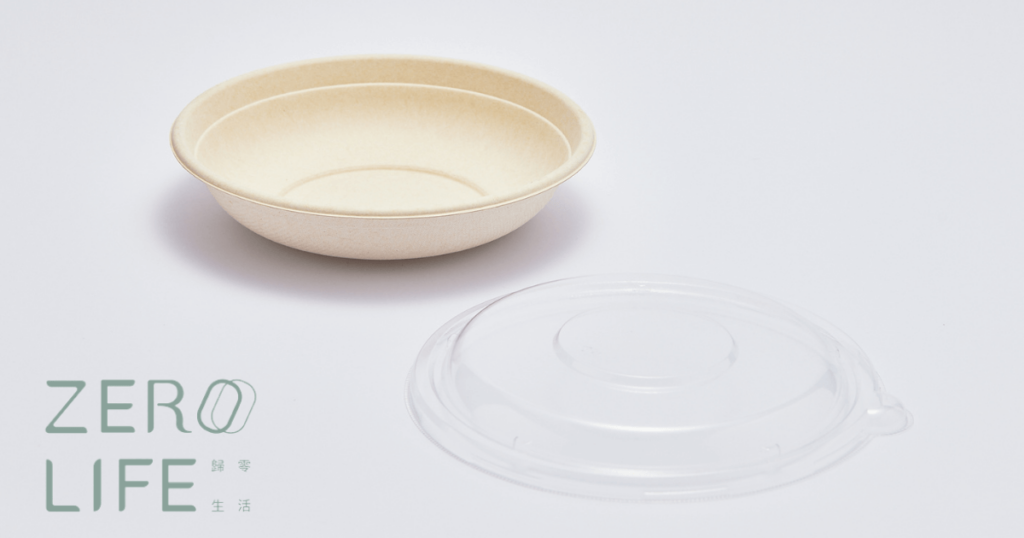
If you’ve never come across oven-safe pulp baking trays, you’re in for a game-changer. These trays are crafted from natural plant fibers like bamboo, sugarcane, or wood pulp, designed to break down quickly in composting environments. They’re durable enough to handle high temperatures in the oven yet gentle on the planet when disposed of.
Here’s what makes these trays stand out:
- They’re heat-resistant, typically safe for temperatures up to 400°F (200°C).
- They’re fully compostable and biodegradable, making disposal guilt-free.
- Many trays come with non-stick coatings made from natural substances, reducing the need for added greases or oils.
- They’re lightweight and disposable, perfect for hassle-free cleanup after baking.
Unlike traditional metal or glass bakeware, which requires significant energy during production and years to break down after disposal, oven-safe pulp trays minimize environmental harm at every step.
Why Choose Oven-Safe Pulp Baking Trays for Sustainable Living?
1. Reducing Your Carbon Footprint
Switching to oven-safe pulp baking trays helps reduce dependence on resource-heavy materials like aluminum or plastic. Metal bakeware, for instance, requires mining, refining, and manufacturing processes that generate a significant carbon footprint. On the other hand, plant-fiber baking trays are derived from renewable resources and degrade naturally within months, helping keep landfill waste minimal.
2. A Non-Toxic Kitchen Solution
Traditional bakeware often comes with chemical coatings like Teflon, which can release toxic fumes under high heat. Plastic cookware is another major concern, as it can leach harmful chemicals into food. Oven-safe pulp baking trays eliminate these health risks, providing a safe and natural option that you can feel good about using for all your kitchen projects.
3. Reduced Water Usage
Let’s face it: cleaning traditional bakeware isn’t just tedious—it’s water-intensive too. Between pre-soaking trays to scrubbing off baked-on residue, you’re easily using gallons of water after every baking session. Pulp trays eliminate the need for post-baking cleanup. Once you’re done, simply compost the tray, saving time, effort, and resources.
How to Use Oven-Safe Pulp Baking Trays
One of the main concerns people have when considering pulp baking trays is whether they’ll hold up to everyday baking demands. After testing them out myself, I can confidently say they perform surprisingly well for most dishes. Here’s how I use them:
1. Perfect for Baking Single-Serve Desserts
Pulp trays are fantastic for small cakes, muffins, and brownies. Their non-stick surface means I can skip the parchment paper, and cleanup is as easy as tossing the tray into a compost bin.
2. A Convenient Option for Savory Meals
I’ve started using these trays for oven-roasted vegetables and casseroles to avoid using my bulky ceramic bakeware. The trays are sturdy enough to handle roasting but also safe for the environment afterward.
3. Ideal for Gifting Baked Goods
I love baking for family and friends during the holidays, but handing over my favorite glass dish isn’t practical. Oven-safe pulp trays serve as perfect gift platters—they look great, don’t harm the environment, and I don’t need to worry about getting them back.
Alternatives to Traditional Bakeware: Pros and Cons
No kitchen product is perfect, and oven-safe pulp baking trays are no exception. While they offer a host of benefits, it’s important to weigh both the pros and cons before making the switch.
Advantages
- Eco-Friendly Materials: Made from renewable plant fibers, these trays decompose naturally in compost environments.
- Versatility: Ideal for both sweet and savory dishes, as well as food storage after baking.
- No Cleanup Required: Disposable designs eliminate messy scrubbing sessions.
- Convenient for On-the-Go: Perfect for bake sales, potlucks, and gift-giving without needing to retrieve your dishware.
Drawbacks
- Limited Reusability: Unlike metal or glass bakeware, pulp trays are single-use.
- Cost Consideration: While affordable, using disposable trays for every meal can add up over time.
- Durability: Not suitable for heavy-duty recipes or temperatures exceeding manufacturer guidelines.
Can Pulp Baking Trays Replace Traditional Bakeware?
The answer depends on your baking habits, needs, and priorities. For those prioritizing sustainability and convenience, oven-safe pulp baking trays can be a practical and environmentally friendly solution. They’re ideal for lightweight baking tasks, informal gatherings, or situations where cleanup is a hassle.
However, for frequent bakers or those creating elaborate recipes requiring durable dishes, keeping traditional bakeware around might still be a necessity. That being said, integrating pulp trays into your routine is an excellent way to reduce environmental impact without compromising too much on functionality.
Tips for Making the Switch to Oven-Safe Pulp Baking Trays
If you’re eager to experiment with this eco-friendly alternative, here are a few simple tips to get started:
- Start Small: Use pulp trays for specific tasks like muffins, cakes, or casseroles to see how they perform in your kitchen.
- Look for Certified Products: Choose trays certified compostable or biodegradable by reputable organizations to ensure quality and environmental impact.
- Combine with Other Eco-Friendly Habits: Pair pulp trays with plastic-free cling wrap alternatives or reusable utensils to further reduce waste.
- Compost Wisely: Once a tray is used, ensure you dispose of it in a compost bin instead of regular trash to maximize its eco-friendly benefits.
The Final Verdict
From their compostable composition to their hassle-free convenience, oven-safe pulp baking trays stand out as a sustainable alternative to traditional bakeware. While they may not completely replace every kitchen tool, they provide an exceptional option for enhancing sustainability in your everyday life.
Making the switch to eco-friendly products like these trays is a small yet powerful way to contribute to a healthier environment. After integrating them into my baking routine, I’ve been pleasantly surprised by their versatility and effectiveness. If reducing waste and embracing a greener lifestyle appeals to you, these trays just might become your new kitchen favorite!