Hello there! When was the last time you stopped to think about the environmental impact of your kitchen routine? I did recently, and I realized that even bakeware, an essential in my kitchen, can have a significant carbon footprint. This led me to discover oven-safe pulp baking trays—a sustainable alternative to traditional bakeware. Today, I’m sharing my thoughts on whether these eco-friendly trays are a better choice for your cooking and the planet.
Oven-safe pulp baking trays combine practicality and sustainability, offering an innovative alternative to traditional metal or glass bakeware. These trays are made from plant fibers, creating an eco-friendly option that’s biodegradable and compostable. Beyond their environmental benefits, they’re versatile, convenient, and compatible with a variety of dishes. Whether you’re someone trying to reduce waste, minimize plastic use, or streamline cleanup, these trays offer a compelling solution for modern, green living.
What Are Oven-Safe Pulp Baking Trays?
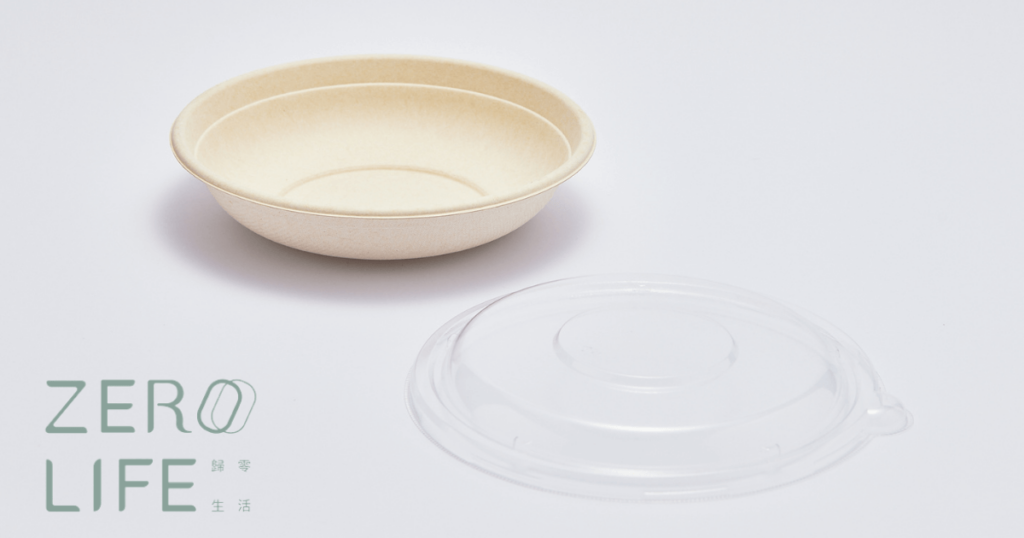
Oven-safe pulp baking trays are baking containers made from molded plant fibers, such as bagasse (a byproduct of sugarcane production), bamboo, or other renewable resources. Unlike traditional bakeware made from metals or synthetic materials, these trays are biodegradable and break down back into the earth once discarded.
How They Work in Your Kitchen
The concept is simple yet powerful: you use these trays as you would any other baking dish. They are designed to handle a wide range of oven temperatures, making them perfect for baking cookies, roasting vegetables, or even preparing casseroles. Once you’re done, cleanup is minimal since many of these trays are single-use and compostable.
The Sustainability Factor
The primary appeal of oven-safe pulp baking trays lies in their sustainability. By choosing these trays, you’re opting for a product that:
- Uses renewable resources like sugarcane or bamboo fibers.
- Reduces reliance on plastic and metal bakeware that may take centuries to decompose.
- Can be composted, turning your waste into nutrient-rich soil.
- Supports a circular economy by repurposing agricultural byproducts.
Advantages of Oven-Safe Pulp Baking Trays
If you’re considering switching to these innovative trays, it’s helpful to know their key benefits. Let me walk you through some of the standout features that caught my attention during my sustainable living journey.
1. Environmentally Friendly Design
Unlike traditional bakeware, these trays are designed with the planet in mind. Made from plant fibers, they rely on renewable resources instead of nonrenewable materials like aluminum or synthetic polymers. This makes them an ideal choice for eco-conscious cooks.
2. Great for One-Time Use
If you’ve ever hesitated to bake something just because of how messy cleanup would be, these trays might be your answer. Once you’re done baking, you can simply toss the tray into your compost bin—no scrubbing, no soaking, no fuss.
3. Highly Versatile
These trays aren’t limited to baking. I’ve used them for everything from preparing sheet cakes to roasting vegetables with a bit of seasoning. You can also use them for storing leftovers or prepping meals in advance. Most brands label their trays for temperatures up to 425°F, making them suitable for most recipes.
4. Safe and Non-Toxic
For those concerned about toxins leaching into their food (a possibility with some low-grade nonstick pans), pulp trays offer peace of mind. They’re free from harmful chemicals and coatings, making them a healthy alternative.
Challenges to Consider
Of course, no product is perfect, and oven-safe pulp baking trays come with a few limitations. I’ve had a chance to use them a number of times, and here’s what to keep in mind before you make the switch.
- Not Reusable: Unlike metal or glass bakeware, these trays are single-use, so you’ll need to purchase them regularly.
- Price Consideration: Eco-friendly products often come at a slightly higher price point. While a pack of pulp trays is affordable for occasional bakers, frequent usage can add up.
- Lower Temperature Threshold: While versatile, they may not be suitable for recipes requiring extremely high oven temperatures, typically above 425°F.
- Storage Requirements: As a lightweight product, they’re also more prone to damage or bending during storage compared to sturdier metal pans.
Are They Better Than Traditional Bakeware?
The big question: are oven-safe pulp baking trays truly better than traditional bakeware? From my experience, the answer largely depends on your priorities and baking habits. Let’s break this down further.
When Pulp Trays Shine
These trays excel in scenarios where sustainability and convenience are top priorities. If you’re preparing dishes for a large family gathering, they simplify the process by eliminating cleanup. Also, their disposable nature makes them perfect for potlucks, food deliveries, or outdoor events where bringing heavy glassware or metal pans is impractical.
When to Stick with Traditional Bakeware
For everyday use or recipes needing high-temperature baking, traditional bakeware still has the upper hand. Your trusted glass casserole dish or metal sheet pan is more durable and cost-effective over time, especially if you bake often.
My Tips for Choosing Oven-Safe Pulp Baking Trays
If you’re ready to try these eco-friendly trays, here are a few tips to help you make an informed decision:
- Look for Compost Certification: Make sure the trays you buy are labeled as compostable and meet local composting guidelines.
- Check Temperature Ratings: Always confirm the maximum oven temperature to ensure the tray can safely handle your recipe.
- Opt for Bulk Purchases: If you bake frequently, buying in bulk can save you money while ensuring you always have trays on hand.
- Support Ethical Brands: Research companies that prioritize sustainable sourcing and environmentally friendly production practices.
Final Thoughts on Oven-Safe Pulp Baking Trays
Incorporating oven-safe pulp baking trays into my kitchen has been a game-changer, particularly for hosting events and minimizing cleanup. While they may not completely replace traditional bakeware, they’re a fantastic addition to any eco-friendly kitchen arsenal. By choosing these trays, we can enjoy our culinary adventures while reducing waste and protecting the environment—a win-win in my book.
If you haven’t tried pulp baking trays yet, I’d recommend picking up a pack for your next gathering or baking session. Who knows? You might love them as much as I do!
What are your thoughts on sustainable bakeware? Have you tried oven-safe pulp baking trays? Let me know in the comments below—I’d love to hear from you!