
“`html
It’s no secret that our world is facing a plastic waste crisis. From overflowing landfills to polluted oceans, single-use plastics are wreaking havoc on our planet. But what if there were a practical, sustainable solution to help businesses reduce waste and protect the environment? That’s where moulded pulp packaging steps in—a simple, eco-friendly alternative that’s rapidly gaining popularity among environmentally conscious companies. Let’s explore why this shift matters now more than ever.
Over the last few years, moulded pulp packaging has emerged as a smart, sustainable choice for businesses looking to lessen their ecological footprint. Made from renewable plant fibers, this innovative packaging helps reduce reliance on plastic while being biodegradable and recyclable. From meal boxes to protective packaging for electronics, its applications are diverse and practical. In this post, I’ll walk you through how these packaging solutions are reshaping industries, offering both environmental benefits and functionality.
What is Moulded Pulp Packaging?
Moulded pulp packaging, often referred to as “fiber-based packaging,” is made from recycled materials like paperboard, cardboard, or natural fibers such as sugarcane and bamboo. Unlike traditional plastic packaging, which takes centuries to decompose, moulded pulp is biodegradable, compostable, and far less harmful to nature. Imagine containers, trays, or boxes commonly used for food delivery or shipping fragile items—all crafted with sustainability in mind.
The Process Behind Moulded Pulp Packaging
The production process is equally eco-conscious. Here’s how it works:
- Recycled or raw plant fibers are turned into a slurry by mixing them with water.
- This slurry is poured into moulds to form the desired shape, such as trays, boxes, or plates.
- The moulded shapes are then dried and treated to increase durability and water resistance if needed.
The result? A functional yet sustainable product that holds its own against plastic competitors while having a significantly lower environmental impact.
Why Businesses Are Adopting Moulded Pulp Packaging
Businesses worldwide are starting to see the benefits of switching to moulded pulp packaging. Let me break down the main reasons behind this trend:
1. Environmental Responsibility
With mounting consumer pressure for eco-friendly solutions, businesses are prioritizing sustainability. Moulded pulp packaging ticks all the right boxes:
- Biodegradable and compostable to minimize waste buildup in landfills.
- Recyclable, reducing the need for virgin materials in production.
- Made from renewable resources such as bamboo and sugarcane, unlike finite petroleum-based plastics.
Switching to moulded pulp packaging sends a strong sustainability message to customers, reinforcing brand trust and loyalty.
2. Practical Benefits
Beyond environmental reasons, moulded pulp packaging offers practical and economic advantages:
- Durability: Despite being made from plant fibers, it’s surprisingly sturdy and capable of protecting products during transit.
- Customizability: Businesses can easily mold the packaging into various shapes and sizes to fit their specific needs.
- Cost-effectiveness: As production scales up, costs are becoming competitive with traditional plastic options.
By adopting moulded pulp, businesses don’t have to compromise on functionality while contributing to environmental preservation.
3. Reducing Plastic Pollution
The environmental cost of plastic waste is staggering, with millions of tons entering our oceans annually. By switching to moulded pulp packaging, companies play a crucial role in addressing this issue. Every meal box, tray, or container made from sustainable materials helps reduce reliance on plastics, bringing us closer to a cleaner, greener planet.
Applications of Moulded Pulp Packaging in Real-World Industries
One of the reasons moulded pulp packaging is so popular is its versatile application. Let’s look at specific industries and how they’re integrating this sustainable solution:
Food and Beverage Industry
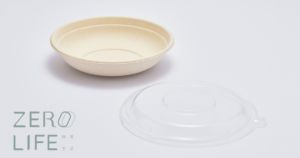
The food and beverage sector has seen a massive surge in demand for fibre-based meal boxes. Here’s why businesses are embracing this trend:
- Eco-conscious customers: Restaurants and food delivery services recognize the growing demand from environmentally aware consumers willing to pay a premium for sustainable packaging.
- Food safety: Moulded pulp meal boxes can be treated to be grease and water-resistant, making them ideal for hot or oily food.
- Custom branding: Moulded pulp can be printed on or shaped to include logos, offering an eco-friendly marketing solution.
Think about the last time you had delivery—wouldn’t it feel better knowing your packaging didn’t contribute to landfill waste?
Electronics and Consumer Goods
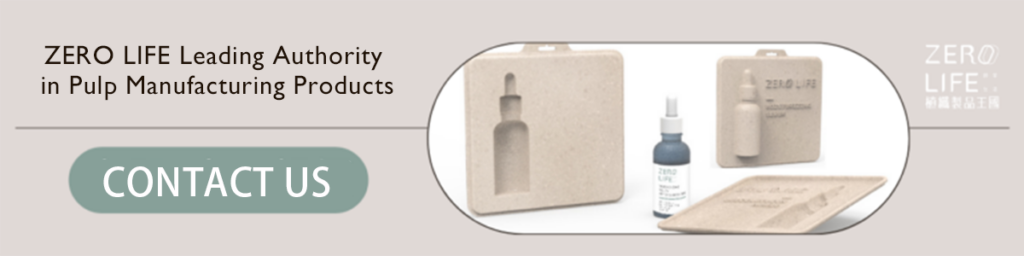
Moulded pulp packaging is no longer limited to food applications. It’s becoming the go-to protective material for shipping electronics, fragile items, and even cosmetics. Some key benefits include:
- Shock absorption: The sturdy yet lightweight nature of pulp makes it perfect for protecting delicate products during transportation.
- Reduced carbon footprint: By replacing foam and plastic inserts with moulded pulp, businesses significantly reduce their environmental impact.
This shift is a prime example of innovative, sustainable packaging evolving beyond traditional spheres.
Retail and E-Commerce
In the e-commerce boom, online retailers are embracing eco-friendly packaging solutions to meet customer expectations and reduce their environmental footprint. Here’s how moulded pulp helps:
- Replacing bubble wrap, plastic void fillers, and other non-recyclable materials with biodegradable alternatives.
- Enhancing customer experience for eco-conscious shoppers who prefer brands that prioritize sustainability.
With online shopping continuing to grow, moulded pulp packaging has become a crucial tool for greener retail practices.
How You Can Support this Movement
If you’re a business owner, switching to moulded pulp packaging might seem like a small step, but it has far-reaching effects on your brand, customers, and the environment. Here are some actionable tips to get started:
- Evaluate Your Needs: Assess your current packaging materials and identify areas where moulded pulp can replace plastic.
- Partner with Eco-Friendly Suppliers: Look for manufacturers specializing in pulp-based packaging solutions tailored to your industry.
- Educate Customers: Highlight your switch to sustainable packaging in your marketing efforts to build trust and loyalty among eco-conscious consumers.
Even if you’re not a business owner, you can still support the movement by choosing brands that use sustainable packaging and encouraging others to do the same.
The Future of Moulded Pulp Packaging
The demand for sustainable packaging like moulded pulp is only expected to grow in the coming years. As public awareness around plastic pollution increases, businesses across industries will need to adopt greener alternatives to meet consumer expectations. This shift isn’t just an environmental necessity; it’s also an opportunity for businesses to innovate and lead toward a more sustainable future.
Switching to moulded pulp packaging is a win for businesses, consumers, and the planet. Whether it’s improving brand appeal or reducing our collective reliance on single-use plastics, every step counts. Let’s continue to support solutions that prioritize long-term sustainability and work together toward a greener tomorrow.
“`