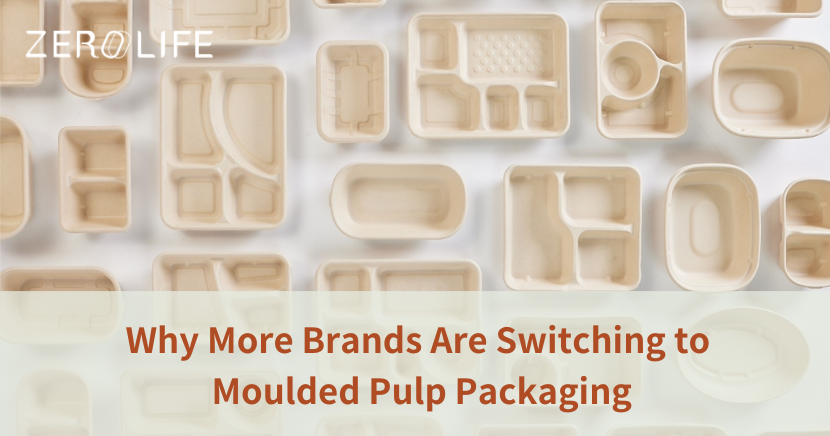
Hey there! Whether it’s the coffee lids on your morning brew or the delivery box of your favorite meal kit, packaging is everywhere. For years, we’ve relied on materials like plastic and Styrofoam for convenience and cost-effectiveness, but it’s becoming increasingly clear that these choices come with significant environmental consequences. This growing understanding has fueled a global conversation around sustainable alternatives—and moulded pulp packaging is taking center stage.
Moulded pulp packaging is quickly becoming the go-to solution for brands looking to align with eco-friendly values while maintaining cost and quality. Produced from renewable plant fibers like bamboo, sugarcane bagasse, and recycled paper, this type of packaging offers an outstanding balance of sustainability and functionality. It’s biodegradable, compostable, and impressively versatile, making it ideal for meal boxes, product protection, and more. Let’s dive into why so many companies are making the switch—and why we, as consumers, should care.
What Is Moulded Pulp Packaging?
Moulded pulp packaging is a sustainable packaging solution crafted from fibrous materials, including recycled paper, bamboo, sugarcane bagasse, or wood pulp. Unlike plastic packaging, which can take centuries to degrade, moulded pulp is biodegradable and often compostable. This makes it a popular alternative for businesses seeking to reduce their environmental footprints.
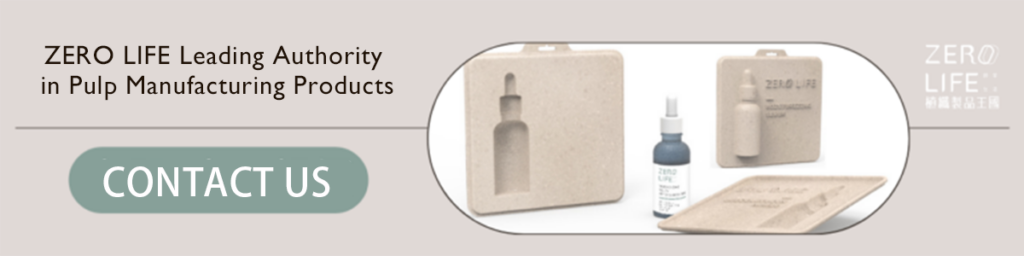
Because of its ability to be shaped into custom forms, moulded pulp is also versatile. For example, it’s widely used for protective packaging (like electronics trays or egg cartons), food containers (such as meal boxes), and even disposable cutlery. This versatility comes without the guilt of contributing to the growing plastic waste crisis.
The Environmental Benefits You Should Know
One of the key reasons moulded pulp packaging has soared in popularity is its significant environmental advantages. Here’s how it outpaces plastic and other harmful materials:
- Biodegradability: Moulded pulp packaging breaks down naturally within a matter of weeks or months, depending on the environment. It doesn’t clog landfills or harm marine life as plastic does.
- Compostable Quality: Many types of moulded pulp packaging can be composted at home or via commercial composting facilities, enriching the soil instead of polluting it.
- Made from Renewable Resources: Moulded pulp packaging is typically manufactured from renewable plant fibers, reducing the need for fossil fuels.
- Recyclability: Many forms of moulded pulp packaging can also be recycled, creating a loop of sustainability that minimizes waste.
Reducing Plastic Waste One Meal Box at a Time
The alarming rates of plastic pollution—estimated at 300 million tons annually—make it clear that we need alternatives. For me, one of the most visible examples of moulded pulp’s transformative power is in plant fiber meal boxes.
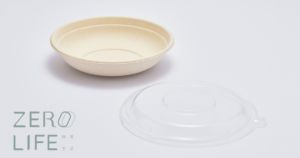
These fiber-based containers are popping up everywhere, from local cafes to large fast-food chains. Instead of single-use plastic boxes or Styrofoam, brands are shifting to moulded pulp boxes made from sugarcane, bamboo, or wheat straw. Here’s why they make sense:
- Durability: Despite being eco-friendly, plant fiber meal boxes are sturdy enough to handle hot, cold, and even oily foods without leaking. This makes them an ideal substitute for Styrofoam, which is difficult to dispose of sustainably.
- Cost-Efficiency: As eco-packaging becomes more mainstream, the prices of moulded pulp alternatives are dropping. Bulk manufacturing techniques and increased demand have made them competitive with traditional materials.
- Brand Value: Companies that adopt sustainable packaging send a powerful message to their customers: they care about the planet. This can foster customer loyalty and attract eco-conscious buyers.
When I first encountered plant fiber meal boxes at a local restaurant, I remember being pleasantly surprised by their sturdiness. They were lightweight yet durable, and the food remained fresh without creating unnecessary waste. It’s a small but significant change for the better.
Why More Brands Are Switching to Moulded Pulp Packaging
Several factors are influencing the widespread adoption of moulded pulp packaging across industries. Companies from various sectors are realizing that embracing eco-friendly practices is no longer optional—it’s essential.
Consumer Demand for Eco-Friendly Products
As consumers, we’re voting with our wallets. Studies show that over 70% of people prefer to buy from brands that demonstrate environmental responsibility. Whether it’s a coffee cup or an online order, packaging plays a visible role in shaping perceptions.
When more people understand that moulded pulp packaging:
- Helps prevent ocean plastic pollution,
- Manages waste using renewable materials,
- Reduces carbon output during production,
…it begins to reshape the choices we make as consumers.
Government Regulations Balancing the Scales
In many regions, governments are phasing out single-use plastics and imposing fines on unsustainable packaging. Countries like Canada, the UK, and several EU members are leading the way, banning plastic straws, cutlery, and even Styrofoam in favor of eco-friendly alternatives. These measures drive companies to explore alternatives like moulded pulp packaging.
Brand Equity and Reputation
In today’s competitive climate, sustainability is more than a buzzword—it’s a business advantage. Brands that successfully integrate greener practices are often seen as responsible, forward-thinking, and trustworthy.
By switching to moulded pulp packaging, companies can:
- Earn good press and positive customer reviews,
- Highlight their environmental commitment through marketing,
- Gain an edge over competitors that lag in sustainability efforts.
I’ve noticed that whenever a company I support makes the transition to eco-friendly practices, it strengthens me as a loyal customer. Switching to moulded pulp says, “We care about more than just sales.”
How You Can Support the Shift
As consumers, we have more power than we realize. By choosing brands that align with your values, you can help accelerate the transition to sustainable practices like moulded pulp packaging. Here are some tips to get started:
Shop Consciously
When possible, support businesses and products that use eco-friendly packaging. Look for certifications like “compostable” or “biodegradable,” and prioritize items with minimal to no plastic.
Refuse Single-Use Plastics
Say no to plastic straws, bags, and food containers when alternatives are available. Encourage businesses to adopt more sustainable packaging like moulded pulp.
Educate Others
The more people know about the environmental benefits of moulded pulp packaging, the faster we can adopt such practices globally. Share knowledge within your community, whether through social media posts, blogs, or casual conversations.
Conclusion: A Better Way Forward
Switching to moulded pulp packaging is about more than reducing waste; it’s a step toward creating a circular, sustainable economy. As brands and consumers rally for eco-friendly living, these small but impactful changes bring us closer to a world that values the planet.
The next time you encounter a meal box made from plant fibers or receive a package cushioned by moulded pulp, remember—you’re part of the solution. Isn’t it exciting to be a part of this global movement toward sustainability? Let’s keep the momentum going by supporting and advocating for greener practices, one choice at a time.