You’ve probably heard the buzz around sustainable alternatives to plastic packaging, especially the rise of molded fiber pulp packaging. As someone committed to reducing waste and living sustainably, I’ve been thinking about an important question: Which one lasts longer, molded fiber pulp packaging or traditional plastic? With environmental impact being a heated discussion globally, this is an issue we can’t overlook. Packaging choices matter—not just for their durability but for their footprint on the planet.
Molded fiber pulp packaging is making waves as a sustainable option compared to plastic. Made from renewable resources like recycled paper, cardboard, and agricultural byproducts, it’s designed to reduce waste and promote a circular economy. But how does it measure up when durability, functionality, and sustainability are at stake? In this post, I’ll walk you through why plant-based packaging has a huge edge over plastic in today’s eco-aware world.
What Is Molded Fiber Pulp Packaging?
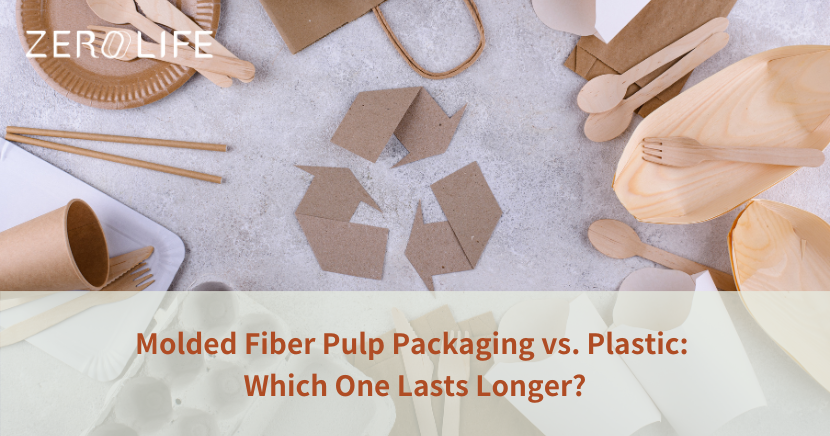
Molded fiber pulp packaging, also called molded pulp packaging, is made from materials like recycled paper or agricultural fibers. Imagine the sturdy cardboard-like trays often used to hold fruits, eggs, or takeout meals—that’s it. This packaging is biodegradable, compostable, and designed to replace single-use plastic in various industries.
Plastic packaging, on the other hand, primarily relies on petroleum-derived components. It might be convenient and durable, but its environmental impact is staggering: lasting hundreds of years in landfills, polluting oceans, and harming wildlife. So, why should you care about molded pulp? Let me break it down for you.
Why Molded Fiber Pulp Packaging Is Better for Sustainability
Plastic packaging has had its place in modern living, but its growing environmental toll has led us to look for alternatives. Molded fiber pulp packaging offers several sustainability advantages that you can’t ignore:
- Renewability: Unlike petroleum-based plastics, molded fiber comes from renewable sources like recycled paper and natural fibers.
- Biodegradability: Molded pulp decomposes within a matter of weeks under the right conditions, unlike plastic, which can take centuries.
- Lower Carbon Footprint: The production process for molded pulp consumes significantly less energy and water than manufacturing plastic.
- Waste Reduction: Many molded pulp products are made from post-consumer waste, reducing landfill overflow and encouraging recycling.
Over time, sustainable materials like molded fiber pulp clearly have an advantage in the fight against plastic waste.
Molded Fiber Pulp Packaging: Practical, Durable, and Versatile
You might wonder how this packaging performs in day-to-day situations. After using molded fiber pulp packaging for a variety of applications, I can say it’s surprisingly versatile. It offers excellent durability for most needs without sacrificing eco-friendliness. Let’s explore some real-world examples of its uses:
Food Containers
Plant-based meal boxes made of molded fiber are common in the foodservice industry. They’re sturdy, leak-proof, and microwave-safe. Whether it’s a hot soup or a cold salad, these containers can handle the challenge.
For families or individuals prioritizing convenience and compostability, these food containers are game-changers. Once used, they can be composted or recycled appropriately, leaving behind little-to-no waste.
Agricultural Packaging
Molded fiber trays for fruits, vegetables, and even eggs have been widely adopted globally. Unlike plastic trays, these fiber-based alternatives are lightweight yet stable enough to protect their contents during transport. As someone who’s regularly conscious of grocery packaging waste, I always choose fruits packed in pulp trays.
Protective Cushioning
If you’ve ever purchased fragile products shipped with molded fiber cushions, you’ve experienced their practicality firsthand. They’re shock-absorbent and can replace single-use plastic materials like Styrofoam. These cushions are popular among brands aiming for an eco-friendly reputation.
The durability of molded fiber pulp across these applications shows that there’s no need to sacrifice performance for sustainability.
Does Molded Fiber Pulp Packaging Really Last Longer?
When we talk about lifespan, we should separate two perspectives: usability and environmental longevity.
Usability
The usability of molded fiber pulp depends on how it’s applied. For short-term needs like food containers or agricultural packaging, pulp performs beautifully. It’s durable enough to last throughout its lifecycle but is also designed to decompose easily—an asset in our fight against waste.
Plastic, on the other hand, outperforms molded fiber in environments requiring extreme moisture resistance or indefinite reuse. However, when the environmental cost is factored in, molded fiber’s benefits clearly outweigh temporary usability limitations.
Environmental Longevity
The environmental “lifespan” of plastic far outpaces molded pulp in the worst way possible. Plastic can persist in ecosystems for 500+ years, while molded fiber degrades in weeks (or months, depending on disposal methods). Compared side-by-side, molded fiber’s short decomposition timeline significantly reduces pollution risks.
So while plastic might physically last longer, it does so at an environmental cost. Molded pulp provides a responsible alternative that minimizes long-term harm to the planet.
How You Can Help by Choosing Molded Fiber Pulp Packaging
I believe significant change can happen when we all make small shifts in our daily decisions. By choosing molded fiber pulp products over plastic, you help support companies invested in sustainable practices. Here’s how you can start:
- Choose Eco-Friendly Takeout: When ordering food, select restaurants that use biodegradable or compostable packaging.
- Avoid Over-Packaged Goods: Opt for foods or products sold in pulp-based packaging rather than plastics.
- Compost Properly: Dispose of molded pulp packaging in compost facilities to ensure it breaks down efficiently.
- Encourage Brands to Switch: Voice your preference for sustainable materials to the companies you shop from.
Every decision we make as conscious consumers contributes to the broader goal of eliminating unnecessary plastic waste.
The Final Word
At the end of the day, molded fiber pulp packaging shows great promise as a sustainable alternative to plastic. While plastic might win the argument in terms of temporary usability and moisture resistance, it falls flat when sustainability is considered. Molded pulp offers practicality, durability for short-term use, and an eco-friendly journey after disposal.
Making the switch to molded fiber pulp packaging isn’t just a step toward reducing plastic waste—it’s a commitment to a greener, healthier planet. I hope this inspires you to think more critically about your choices as a consumer and, together, help drive meaningful change in global packaging practices.