
“`html
Have you ever wondered about the impact of your food packaging choices on the environment? Packaging, like molded fiber pulp products and plastic, plays a significant role in shaping sustainability efforts. As someone passionate about eco-friendly living, I’ve often asked myself which option lasts longer, functions better, and aligns with the planet’s needs. The comparison isn’t as simple as durability—it’s about considering the long-term impact. Let’s dive deep into this thought-provoking debate and find out what’s truly best for sustainability.
Molded fiber pulp packaging has quickly emerged as a frontrunner for eco-friendly packaging solutions, especially when compared to plastic. Known for its compostable and biodegradable nature, molded pulp offers sustainability benefits that go far beyond traditional plastics. Whether you’re looking for practical meal boxes, retail packaging, or protective materials, molded fiber packaging provides an eco-conscious alternative that also performs well in real-world applications. Let’s explore why this matters for our planet.
Why Molded Fiber Pulp Packaging is Gaining Popularity
There’s no denying that single-use plastics have brought convenience to the modern world. However, their environmental cost has been staggering, from overflowing landfills to microplastics polluting oceans. Molded fiber pulp packaging, on the other hand, stands as a sustainable remedy that addresses the growing challenge of plastic waste.
What is Molded Fiber Pulp Packaging?
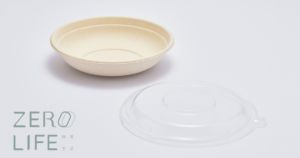
Molded fiber pulp packaging is crafted from renewable, plant-based resources like recycled paper, cardboard, or agricultural byproducts. These materials are processed into sturdy, lightweight forms that can be molded into various shapes and designs. From food containers to protective packaging for electronics, it’s a highly adaptable and versatile material.
How Does It Compare to Plastic?
When comparing molded fiber pulp to plastic, the differences are clear:
- Biodegradability: Molded pulp decomposes naturally, often within a few months, leaving no harmful residues, while plastic takes hundreds of years to break down, contributing to global pollution.
- Renewability: Since molded pulp comes from renewable sources, it has a much smaller carbon footprint than petroleum-based plastic.
- Energy Use: Producing molded fiber typically requires less energy than creating plastic, further reducing its environmental impact.
The Longevity of Molded Fiber Pulp Packaging
A common misconception is that longevity is all about which material lasts longer physically. But when it comes to sustainability, lasting longer isn’t always better. Here’s how molded fiber pulp packaging excels:
Designed for Purpose, Not Permanence
Unlike plastic, which persists for centuries, molded fiber pulp packaging is designed to last only as long as it’s needed. For instance, a molded fiber meal container will hold its shape, durability, and water-resistant properties long enough to serve its purpose. Once discarded, it begins to biodegrade without contaminating the environment.
Molded Fiber Pulp vs. Plastic: Real-life Applications
To understand how these materials function in the real world, let’s look at a few scenarios:
- Food Packaging: A plant fiber meal box can handle hot foods, liquids, and oils without breaking down prematurely. In contrast, plastic containers often leach chemicals into food when exposed to heat.
- Shipping & E-commerce: Molded fiber inserts offer shock absorption and protection for fragile items like electronics. Plastic bubble wrap, while effective, leads to waste that isn’t sustainably managed in most cases.
- Event Use: Disposable cutlery, plates, and trays made from molded pulp are a great addition to zero-waste events, as they can naturally compost along with food scraps, eliminating the need for landfill disposal.
Benefits of Switching to Molded Fiber Pulp Packaging
1. Environmental Advantages
Molded fiber packaging directly combats issues like marine pollution and the growing mountain of landfill waste. When you choose this option, you’re supporting a circular economy—materials that can be reused, recycled, or composted instead of languishing in the environment.
2. Health-Safe Packaging
Unlike some cheap plastic alternatives, molded fiber lacks harmful chemicals like BPA or phthalates. This makes it a safer choice for food and beverages, especially if you’re concerned about chemical leaching at high temperatures.
3. Cost Effectiveness in the Long Run
While molded fiber meal boxes might initially cost more than plastic, their environmental and societal benefits outweigh the price in the long term. Businesses and consumers alike are recognizing this payoff as regulations increasingly crack down on plastic waste.
Actionable Steps to Transition to Molded Fiber Pulp Packaging
If you’re ready to make the switch to eco-friendly packaging, here are some practical steps to take:
- For Individuals: Start by replacing single-use plastic food containers with molded fiber alternatives. Advocate for local cafes and restaurants to do the same.
- For Businesses: Work with suppliers to source molded fiber packaging options for shipping, product protection, and food service.
- Educate Others: Spread awareness of the benefits of molded fiber through social media or community events to inspire others to act.
The Future of Packaging: Sustainability and Innovation
The rise of molded fiber pulp packaging indicates a shift toward more sustainable choices in both personal and industrial settings. As technology advances, we can expect further improvements in biodegradable materials, creating even stronger alternatives to plastic. By supporting these advancements today, we’re paving the way for a greener, healthier future.
Ultimately, the choice between molded fiber pulp packaging and plastic is clear: one supports the environment, while the other harms it. With the growing demand for eco-friendly living solutions, the time to switch is now. Together, we can reduce plastic waste and embrace sustainable practices that benefit the entire planet.
“`