“`html
Every decision we make today about the materials we use has a long-term impact on our planet. As someone passionate about sustainability, I’ve always been on the lookout for viable alternatives to plastic, especially for packaging. One question I consistently find myself asking is, “What’s better: molded fiber pulp packaging or plastic?” This debate is at the heart of eco-conscious living because the durability, environmental impact, and functionality of these materials directly influence our health and the future of the planet.
In this article, I’ll uncover the truth behind molded fiber pulp packaging and plastic to help you understand which is truly more durable. Together, we’ll explore the environmental benefits, functionality, and sustainability of molded fiber packaging. By the end of this, you’ll have a clear idea of why sustainable choices, such as plant-based meal boxes, are not just a trend but a necessity in the modern world.
What Is Molded Fiber Pulp Packaging?
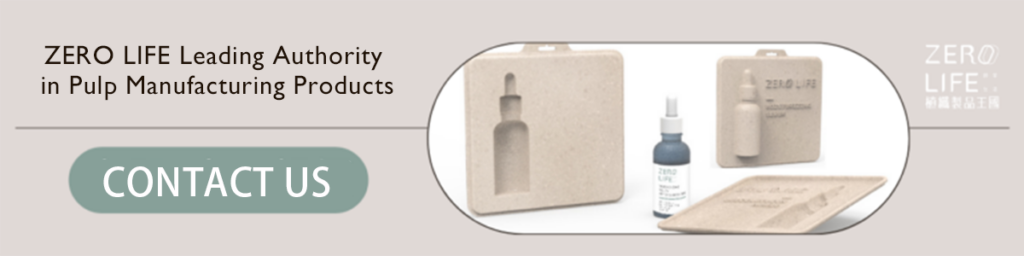
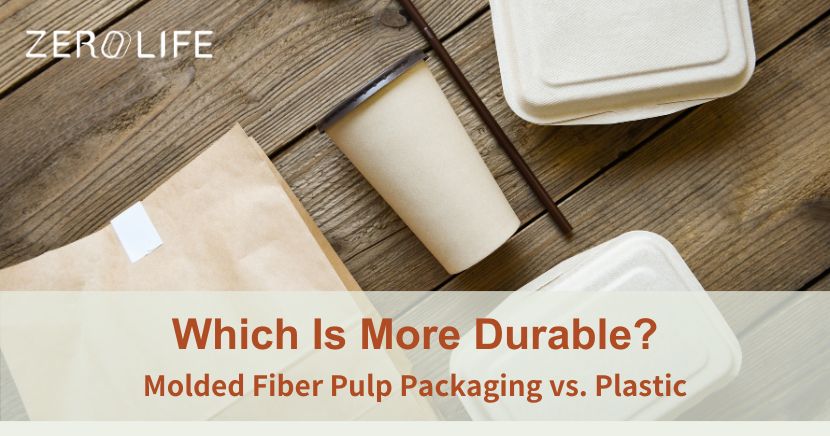
First, let’s break down what molded fiber pulp packaging is and how it works. Molded fiber pulp, often made from recycled paper, cellulose, bamboo, or other plant fibers, is shaped into durable forms used for packaging food, electronics, and various other products. Unlike plastic, which relies on petroleum-based materials, this type of packaging utilizes biodegradable and renewable resources.
What Makes Molded Fiber Pulp Packaging Unique?
- It is biodegradable and compostable, meaning it breaks down naturally without leaving harmful residues.
- The raw materials are renewable, helping to conserve dwindling non-renewable resources.
- Molded packaging is lightweight yet sturdy, striking a balance between portability and protection.
- It uses less energy during production compared to manufacturing plastic products.
The packaging industry is undergoing a transformation, and molded fiber is becoming the go-to alternative due to its ability to meet the needs of industries while significantly reducing environmental impact.
Molded Fiber Pulp Packaging vs. Plastic: Addressing Durability
Many people believe that plastic is unbeatable in terms of durability. After all, when stored correctly, plastic doesn’t degrade easily over time. While this seems like an advantage, it’s actually a double-edged sword because plastic’s durability comes at the cost of never truly breaking down in landfills or natural environments.
Factors That Affect Durability
- Water Resistance: While plastic is completely water-resistant, molded fiber packaging can also withstand moderate moisture when treated with eco-friendly coatings.
- Strength: Molded fiber is remarkably tough, often rivaling plastic in terms of structural rigidity. Techniques like layered molding reinforce its strength.
- Lifespan: Plastic can last for hundreds of years, but realistically, the lifespan we need in packaging is much shorter. Plant fiber packaging lasts just long enough for transportation and use, then harmlessly decomposes.
- Temperature Resistance: Molded fiber pulp packaging holds up well in both hot and cold conditions without releasing harmful chemicals, unlike certain types of plastic.
Real-Life Applications
Let me share a few examples of how molded fiber pulp packaging outshines plastic in various scenarios:
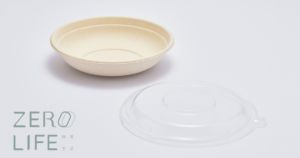
- Food service packaging: A molded fiber meal box can safely carry hot, greasy food while insulating it adequately.
- Electronics shipping: Items like molded pulp trays protect fragile electronics during transit without the need for Styrofoam or plastic inserts.
- Retail items: Many brands now use molded fiber for sustainable shoe packaging, product trays, and more.
These examples illustrate how sustainable innovation doesn’t require compromise on practicality or performance.
The Environmental Advantages of Molded Fiber Pulp Packaging
One of the most compelling arguments in favor of molded fiber pulp packaging is its dramatically lower environmental footprint. Here are some tangible benefits:
Reduction in Plastic Waste
Worldwide, only about 9% of plastic waste gets recycled, with the rest winding up in landfills or the ocean. Molded fiber pulp packaging bypasses this issue altogether by being both recyclable and compostable. For instance, whether you’re using a molded fiber coffee cup carrier or a take-out food container, you can dispose of it without contributing to the mounting plastic crisis.
Lower Carbon Emissions
Compared to plastic, producing molded fiber uses fewer fossil fuels and generates lower carbon emissions. Additionally, many manufacturers utilize post-consumer recycled materials, minimizing demand for raw resources.
A Step Toward Circular Economies
Molded fiber packaging reflects the principles of a circular economy. It begins life as recycled raw material, gets used, and then seamlessly returns to the earth to nourish the soil for future plant growth. This regenerative cycle is an inspiring alternative to the throwaway culture fostered by single-use plastics.
Choosing Molded Fiber Pulp Packaging in Your Daily Life
It’s one thing to admire these sustainable options; it’s another to actively incorporate them into our routines. Here are some easy ways to start embracing molded fiber packaging today:
- Opt for Sustainable Take-Out Containers: Support local businesses that prioritize molded fiber or plant-based meal boxes instead of Styrofoam or plastic.
- Purchase Compostable Alternatives: Look for items like molded pulp plates, bowls, and food trays when hosting gatherings or picnics.
- Choose Eco-Friendly Brands: Many companies, especially in cosmetics and electronics, now prefer molded fiber packaging instead of plastic. Supporting these brands helps drive demand for sustainable materials.
- Avoid Single-Use Plastics: Whenever possible, say no to plastic bags, cups, or utensils and switch to alternatives made of biodegradable materials.
Small changes like these can collectively make a significant difference in reducing plastic waste.
Conclusion
After weighing the facts, it’s clear that molded fiber pulp packaging offers impressive durability while addressing the urgent need to reduce plastic waste. While plastic may edge out in terms of being waterproof or having a longer shelf life, the trade-off isn’t worth the damage it causes to our planet.
For all of us striving for a more sustainable and eco-conscious lifestyle, choosing molded fiber packaging is a step in the right direction. By making such decisions in our personal and professional lives, we collectively pave the way for a greener future. The question isn’t just whether molded fiber pulp packaging is more durable—it’s about whether we’re ready to embrace better choices for the environment.
“`