What Does Green Packaging Really Mean? Debunking Common Myths
Have you ever felt confused by terms like “green packaging” or wondered if it’s truly better for the environment? You’re not alone. With more consumers wanting to make sustainable choices, the packaging industry is now filled with a mix of bold claims, certified products, and questionable marketing. Green packaging plays a pivotal role in reducing plastic waste and improving environmental outcomes. But what does it really mean? Are all “eco-friendly” packages created equal? Let’s dive in and find out.
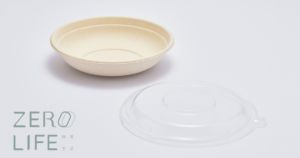
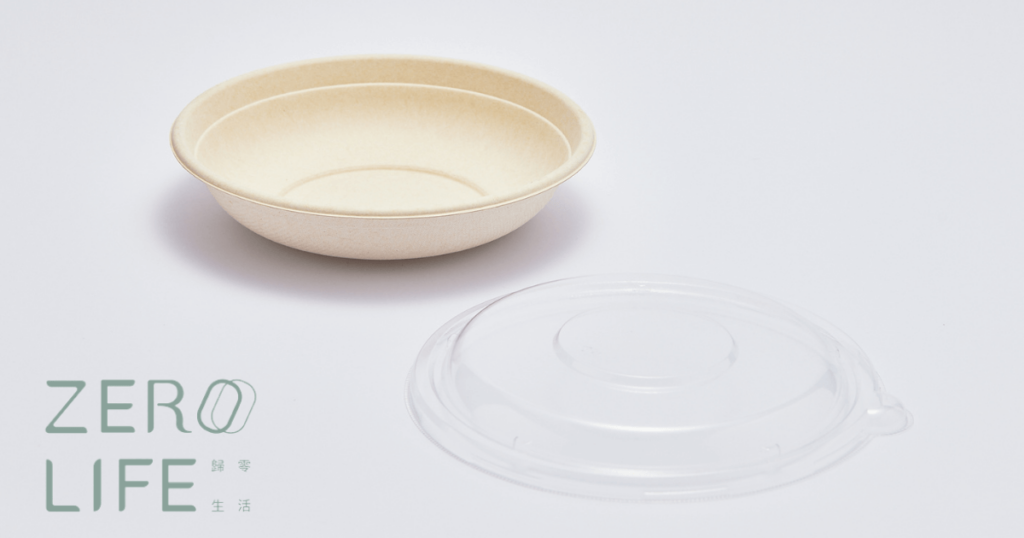
Green packaging, like plant fiber meal boxes, offers a promising solution to the global plastic crisis. These boxes are biodegradable, compostable, and made from renewable resources, such as wheat straw or sugarcane waste. By integrating these products into our daily lives, we can cut back on single-use plastic, protect ecosystems, and make meaningful contributions to sustainability. But as with any trend, myths and misconceptions abound. Let’s explore what green packaging is—and debunk the noise to reveal the truth.
Breaking Down the Green Packaging Meaning
Green packaging refers to environmentally responsible materials designed to reduce waste, conserve resources, and minimize harmful environmental impacts. The goal is to create solutions that are functional yet much gentler on the planet compared to traditional options like plastic or Styrofoam. But what sets green packaging apart?
Key Characteristics of Green Packaging
Green packaging isn’t just a buzzword; it has specific features that make it a genuinely sustainable choice:
- Renewable Materials: Made from plants or agricultural byproducts, such as bamboo, wheat straw, and sugarcane pulp.
- Biodegradability: Able to naturally break down over time without harming the soil or waterways.
- Non-Toxic: Free from harmful chemicals that leach into food or the environment.
- Durability: Designed to perform well without relying on synthetic materials.
When you see “green packaging,” you aren’t just choosing a package; you’re choosing an ethos—one that values sustainability over disposable culture.
Why Green Packaging Is Important
The environmental stakes have never been higher. Each year, millions of tons of plastic end up in the ocean, polluting ecosystems and endangering marine life. Here’s how green packaging makes a real difference:
- It reduces dependency on non-renewable resources like fossil fuels.
- It helps lower carbon emissions throughout its production and decomposition processes.
- It contributes to the circular economy, ensuring waste materials are reintegrated into the ecosystem or reused.
By embracing green packaging, we’re not just making better personal choices—we’re supporting a global shift towards sustainability.
Debunking Common Myths About Green Packaging Meaning
Although green packaging is becoming increasingly popular, misconceptions persist. Let’s tackle some of the most common myths surrounding green packaging:
Myth 1: Green Packaging Is Too Expensive
This myth stems from the early days of sustainable materials when costs were indeed high. However, advancements in manufacturing have made green packaging competitive with traditional options. For example, plant fiber meal boxes are now frequently used in restaurants, grocery stores, and even takeout services because they’re cost-effective in bulk.
Myth 2: Biodegradable Equals Zero Waste
Green packaging, such as biodegradable meal boxes, does break down faster than plastic, but proper disposal is crucial. Compostable materials need the right conditions, like industrial composting facilities, to decompose efficiently. In other words, green packaging isn’t magic—it still requires responsible consumer behavior.
Myth 3: All Green Packaging Is the Same
Not all “green” options are equally sustainable. Terms like “biodegradable” and “compostable” are often used interchangeably, but they have distinct meanings. Biodegradable materials will naturally break down over time, while compostable materials decompose fully in compost conditions, leaving no toxic residue behind. Always look for certifications, such as the ASTM D6400 or TUV Austria logo, to verify authentic green packaging.
Myth 4: It’s Not Functional
Gone are the days when eco-friendly packaging meant flimsy, unreliable materials. Modern plant fiber boxes, for instance, are water- and oil-resistant, microwaveable, and sturdy during transport. They offer the same convenience as plastic containers but without the environmental downsides.
Practical Benefits of Using Plant Fiber Meal Boxes
Now that we understand what green packaging means, let’s focus on one standout product type: plant fiber meal boxes. These versatile, eco-friendly alternatives to plastic boast numerous benefits:
1. They Support Sustainable Agriculture
Plant fiber meal boxes are often made from agricultural byproducts like sugarcane bagasse or wheat straw—materials that would otherwise go to waste. By repurposing these byproducts, manufacturers reduce agricultural waste while providing farmers with additional income streams.
2. They’re Perfect for Everyday Use
Busy consumers need packaging that integrates seamlessly into their routines. Plant fiber meal boxes are microwave-safe, sturdy enough for soups and sauces, and lightweight for on-the-go convenience. From meal prep at home to takeout orders, they’re a practical solution for eco-conscious living.
3. They Promote Waste Reduction
Because they’re compostable, plant fiber meal boxes can return to nature, offering nutrients to the soil instead of lingering in landfills or oceans for centuries. Just imagine the collective impact if every takeout meal came in one of these boxes instead of plastic!
How to Start Using Green Packaging in Your Life
Incorporating green packaging into your lifestyle might feel daunting at first, but small changes can make a big difference. Here’s how to start:
- Know Your Options: Research compostable and biodegradable materials, such as plant fiber boxes, bamboo utensils, and paper straws, when shopping online or in stores.
- Compost at Home: If you choose compostable packaging, start a backyard compost bin or locate municipal composting facilities in your area.
- Support Sustainable Businesses: Choose restaurants, grocery stores, and brands that use verified green packaging.
- Spread Awareness: Share your eco-friendly habits with friends and family to encourage wider adoption of green materials.
Pro Tip:
When ordering food delivery, leave a note asking restaurants to avoid plastic utensils and instead pack your meal in plant fiber or compostable packaging. Little actions like this can spark bigger changes in the industry.
The Future of Green Packaging
Green packaging may seem like a trend, but it’s here to stay—and it’s evolving fast. From edible packaging to innovative uses of algae and mushroom-based materials, the future looks bright for eco-friendly solutions. But we, as consumers, play a critical role in shaping what comes next. By making informed choices today, we signal to businesses and policymakers that sustainability matters.
So the next time you pick up a plant fiber meal box or swap plastic wrap for biodegradable alternatives, remember this: it’s more than a small action—it’s a ripple that builds a wave of change. Let’s continue to demand better for our planet, one green package at a time.
—
This cleanly structured blog post is formatted to be fully compatible with the WordPress Classic Editor, ensuring smooth copy-paste functionality with appropriate use of headings, lists, and HTML tags for readability and SEO.