
Welcome to the world of sustainable living! If you’re like me, you’ve been searching for ways to lead a more eco-friendly lifestyle without sacrificing convenience. Green packaging is one area where we can make a substantial difference. By choosing sustainable options, we can reduce plastic waste, improve recyclability, and help conserve our planet’s precious resources. Let’s explore the incredible innovation happening in green packaging that proves sustainability isn’t just a trend—it’s the future.
The way we package and store products has a huge impact on the environment. Green packaging, including plant-based solutions like fiber meal boxes, is changing the game. These alternatives not only reduce waste but also offer practical, eco-conscious benefits that align with our daily needs. From biodegradable materials to reusable designs, the examples I’ll share today prove that sustainability works in harmony with functionality and innovation. Let’s dive into five exceptional green packaging examples making waves today.
—
5 Inspiring Green Packaging Examples You Need to Know
Green packaging is becoming a cornerstone of sustainable living. These solutions not only help to reduce plastic waste but also pave the way for a greener, healthier future. Here are five groundbreaking green packaging examples that highlight the power of innovation in sustainability.
1. Plant Fiber Meal Boxes: The Future of Food Packaging
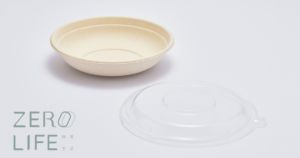
Plant fiber meal boxes are a prime example of how sustainability meets practicality. These eco-friendly containers are made from agricultural waste, such as sugarcane bagasse, wheat straw, or bamboo fibers, which would otherwise go unused. What makes them truly remarkable? They’re biodegradable, compostable, and sturdy enough to handle anything from piping hot meals to frozen foods.
**Key benefits of plant fiber meal boxes include:**
- Compostability: After use, these boxes break down naturally, enriching soil without leaving toxic residues behind.
- Non-Toxic Materials: Unlike plastic, they contain no harmful chemicals, ensuring our health and the environment are protected.
- Durability: Despite being lightweight, these boxes are strong enough to withstand moisture and leaks.
Restaurants and food delivery services are beginning to adopt plant fiber packaging on a large scale. If you’re running a business or simply preparing meals for family picnics, switching to plant fiber meal boxes is a convenient way to reduce waste and support a circular economy.
—
2. Mushroom-Based Packaging: Nature’s Shock Absorber
Who knew that mushrooms could be turned into packaging? By growing mycelium—the root structure of fungi—companies are creating excellent alternatives to Styrofoam for fragile items like electronics or glass. This type of packaging is 100% compostable and can replace plastic foam, which takes centuries to decompose.
**Why mushroom packaging stands out:**
- It’s fully biodegradable within 30-90 days, depending on environmental conditions.
- The production process consumes less energy and water compared to traditional plastic or Styrofoam.
- It provides excellent shock absorption, protecting fragile goods during shipping.
This sustainable solution is ideal for businesses looking to greenify their operations. Next time you’re sending a package, check for suppliers offering mushroom-based packaging—you may be surprised by its affordability and earth-friendly benefits.
—
3. Edible Packaging: A Zero-Waste Marvel
Edible packaging sounds like something out of science fiction, but it’s already here! Made from materials like seaweed, rice, or potato starch, edible packaging is safe to eat, eliminating waste entirely. Items like edible straws, coffee cups, and even food wraps offer convenient, zero-waste alternatives.
**Where edible packaging excels:**
- Perfect for single-use items like straws, wrappers, and takeaway containers.
- Minimizes waste by creating something functional and consumable.
- Often produced using renewable resources, such as seaweed or cassava starch, making it highly sustainable.
While this may not work for every scenario, edible packaging has quickly become a hit in niche industries like catering and event planning. Imagine enjoying your drink and then munching on the straw afterward—how fun and guilt-free is that?
—
The Functional Benefits of Switching to Green Packaging
Sustainable packaging options like the ones highlighted above aren’t just good for the planet—they also offer significant advantages for businesses and individuals alike. When you make the switch, you’ll notice these key improvements:
- Reduced Environmental Footprint: By using biodegradable or reusable materials, green packaging dramatically lowers waste and carbon emissions.
- Positive Brand Perception: Companies adopting eco-friendly packaging often attract environmentally conscious consumers and establish a stronger, greener reputation.
- Cost Savings Over Time: Although initial costs for sustainable packaging can be higher, the long-term benefits, such as recyclability and less dependence on petroleum-based plastics, often outweigh the initial investment.
- Aligns with Global Trends: As sustainability is becoming increasingly vital across industries, having green packaging aligns with widespread efforts to meet environmental goals.
—
How You Can Support the Green Packaging Movement
You don’t have to be a business owner to champion green packaging. There are several actionable steps you can take in your daily life to make an impact.
1. Choose Products with Eco-Friendly Packaging
Whether you’re shopping for groceries, ordering takeout, or buying beauty products, look for brands that use sustainable materials. This sends a message to manufacturers that consumers value and prioritize eco-friendly options.
2. Support Businesses That Go Green
Many companies are investing in green packaging to meet consumer demand. By choosing to support these businesses, you not only reduce your personal plastic consumption but also encourage others to adopt similar practices.
3. Reduce and Reuse
Consider investing in multi-use alternatives like reusable cloth bags, stainless steel containers, and glass jars. These simple changes can dramatically reduce your reliance on single-use plastic items.
4. Advocate for Local Initiatives
Engage with your community to support curbside composting programs, plastic bag bans, or incentives for businesses using biodegradable packaging. Even small efforts can lead to meaningful change.
—
A Greener Tomorrow Starts Today
The examples of green packaging we’ve explored show us what’s possible when innovation meets sustainability. Plant fiber meal boxes, mushroom-based cushioning, edible alternatives, and other eco-friendly solutions are reshaping how we think about waste and packaging altogether. By choosing sustainable options in our personal and professional lives, we can pave the way for a cleaner, greener planet.
As we move forward, every small choice—a compostable food container here, a reusable shopping bag there—adds up to a massive impact. Are you ready to join this movement? Explore these green packaging examples and take the first step toward a sustainable future today.
Let’s make sustainability the standard, one package at a time. Together, we can prove that protecting the environment doesn’t mean sacrificing convenience or innovation—it simply means choosing smarter.