5 Green Packaging Examples That Prove Sustainability Is the Future of Business
Sustainability is no longer just a trendy buzzword; it’s become an urgent necessity as environmental challenges continue to grow worldwide. Businesses have a unique opportunity to shift toward eco-friendly practices, with packaging being a key area for transformation. Green packaging not only minimizes waste but also resonates with eco-conscious consumers. In this post, I’ll share five innovative green packaging examples that demonstrate how sustainability is paving the way for a brighter and greener business future.
Why Green Packaging Matters in Today’s World
We live in a time when plastic pollution, overflowing landfills, and carbon emissions threaten ecosystems across the globe. Packaging waste accounts for a significant portion of these problems, especially with the rise of e-commerce and on-the-go convenience items. Choosing sustainable packaging aids in reducing plastic waste and carbon footprints, helping businesses align with consumer demands for environmentally responsible products. More importantly, embracing alternatives like plant fiber meal boxes and compostable materials showcases how innovation can drive change while ensuring businesses thrive sustainably.
Innovative Green Packaging Examples You Need to Know
Let’s dive into five remarkable green packaging examples and explore what makes these solutions so impactful for businesses, consumers, and the planet. Each one highlights how a shift in packaging materials and design can contribute to a more sustainable future.
1. Plant Fiber Meal Boxes: A Compostable Alternative
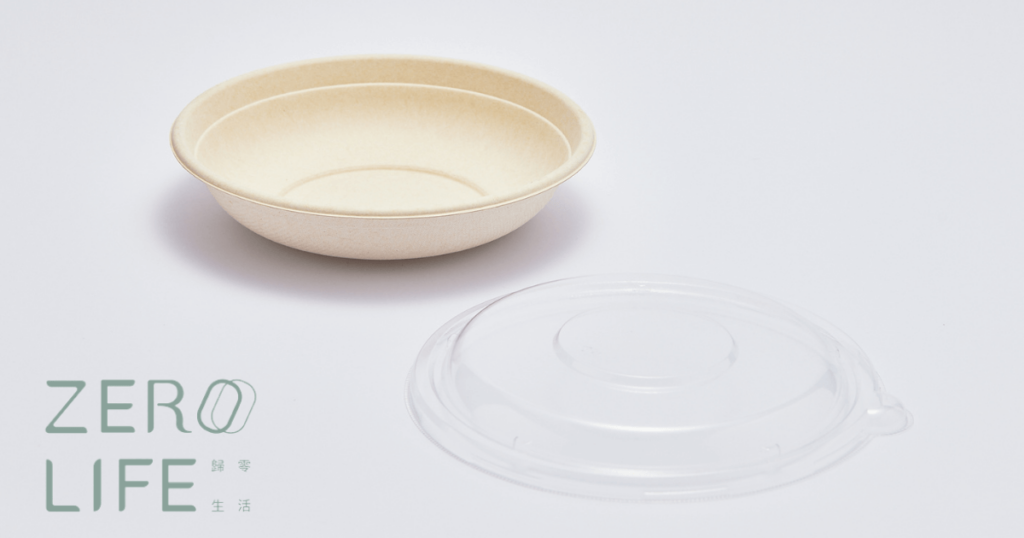
Plant fiber meal boxes are one of the most promising examples of sustainable food packaging. Made from agricultural byproducts like wheat straw, sugarcane bagasse, or bamboo fibers, these containers are 100% compostable, biodegradable, and free from harmful toxins. They’re perfect for takeout meals, catering, and even home-delivered food services.
Benefits:
- Completely biodegradable, breaking down into nutrient-rich compost within months.
- Durable and heat-resistant, making them a practical alternative to styrofoam or plastic containers.
- Free from harmful chemicals like PFAS, ensuring safety for both consumers and the environment.
Example in Action: Many eco-friendly restaurants and food delivery companies now rely on plant fiber meal boxes to package their meals. If you’re running a food business, switching to these compostable solutions can reduce waste, align with sustainability goals, and create a positive impression among customers.
2. Mushroom-Based Packaging for Fragile Products
Imagine using fungi to safeguard your fragile products during shipping—that’s exactly what mushroom-based packaging achieves. This innovative material is grown from agricultural waste and mycelium (the root structure of mushrooms). It serves as a biodegradable, sturdy alternative to polystyrene or foam packaging.
Benefits:
- Fully compostable and biodegradable, breaking down within 30–60 days.
- Strong enough to protect fragile items during transport.
- Customization options for different shapes and sizes to meet business needs.
Example in Action: Eco-minded companies like Dell and IKEA have adopted mushroom-based packaging for shipping delicate electronics and furniture. This decision helps significantly lower their corporate carbon footprints.
3. Seaweed Packaging for Single-Use Items
Seaweed packaging is revolutionizing the way single-use items, such as sachets, are produced. Seaweed-based film is an edible and biodegradable packaging material that dissolves in water, leaving no trace behind. It’s commonly used for condiments, sauces, and even small toiletries.
Benefits:
- Completely edible and safe for the environment—it dissolves naturally and produces zero waste.
- Source material (seaweed) grows abundantly and doesn’t rely on freshwater or fertilizer, making it more sustainable than crops like corn or sugar.
- Ideal for small, single-use packaging that typically ends up as litter.
Example in Action: Some fast-food chains are testing seaweed-based sauce packets to phase out plastic sachets. Additionally, innovators like Ooho have created seaweed water pods that serve as eco-friendly alternatives to plastic water bottles.
4. Corrugated Pallets for Shipping
Traditional wood pallets are often heavy, non-recyclable, and chemically treated—making them far from eco-friendly. Corrugated pallets, on the other hand, are made from recyclable cardboard and are a game-changer in logistics. They’re lighter, more sustainable, and easier to handle compared to their wood counterparts.
Benefits:
- Lightweight design reduces transportation emissions and costs.
- Fully recyclable at the end of their lifecycle, eliminating waste.
- Safer to use—there are no nails or splinters to worry about.
Example in Action: Several large-scale retailers have incorporated corrugated pallets as part of their shipping practices, significantly reducing their freight emissions while optimizing logistics.
5. Reusable Glass Containers with Minimalist Design
Reusable glass containers offer both beauty and sustainability, making them a perfect choice for brands that value aesthetics and eco-friendliness. Unlike single-use plastics, glass can be recycled endlessly without losing quality or purity. Many eco-conscious businesses package items like cosmetics, food, and beverages in minimalist glass containers to engage with environmentally aware customers.
Benefits:
- Infinite recyclability helps prevent landfill overflow.
- Sleek and premium appearance attracts eco-conscious consumers.
- Durable and reusable, reducing single-use packaging waste.
Example in Action: Beauty brands are leading the way in using reusable glass jars for their creams and lotions. Additionally, zero-waste grocery stores encourage shoppers to bring reusable glass containers to fill with bulk items, such as grains or oils.
How You Can Support Green Packaging Efforts
As consumers, small decisions can have a big impact when it comes to sustainable packaging. Here are some ways to support these efforts:
- Choose products that use green packaging, such as compostable, biodegradable, or recyclable materials.
- Encourage local businesses to adopt sustainable packaging solutions by sharing information about available alternatives.
- Reduce single-use packaging by investing in reusable containers or bags.
Meanwhile, businesses can:
- Conduct an audit of their current packaging and assess the environmental impact.
- Partner with suppliers offering sustainable material options like bamboo, mycelium, or post-consumer recycled content.
- Educate customers about the benefits of green packaging and how to properly dispose of eco-friendly products.
The Future of Packaging: A Commitment to Sustainability
Green packaging isn’t just a fleeting trend; it’s a vital step toward preserving the planet for future generations. Businesses adopting sustainable practices are leading the way and setting a powerful example for others. By supporting and prioritizing innovations like plant fiber meal boxes, mushroom-based packaging, and reusable containers, we can collectively minimize waste and embrace a more sustainable way of living.
As consumers and businesses align in their shared commitment to sustainability, it’s clear that green packaging holds the key to shaping the future of commerce and environmental responsibility. Let’s make the shift together—because a greener world starts with the choices we make today.