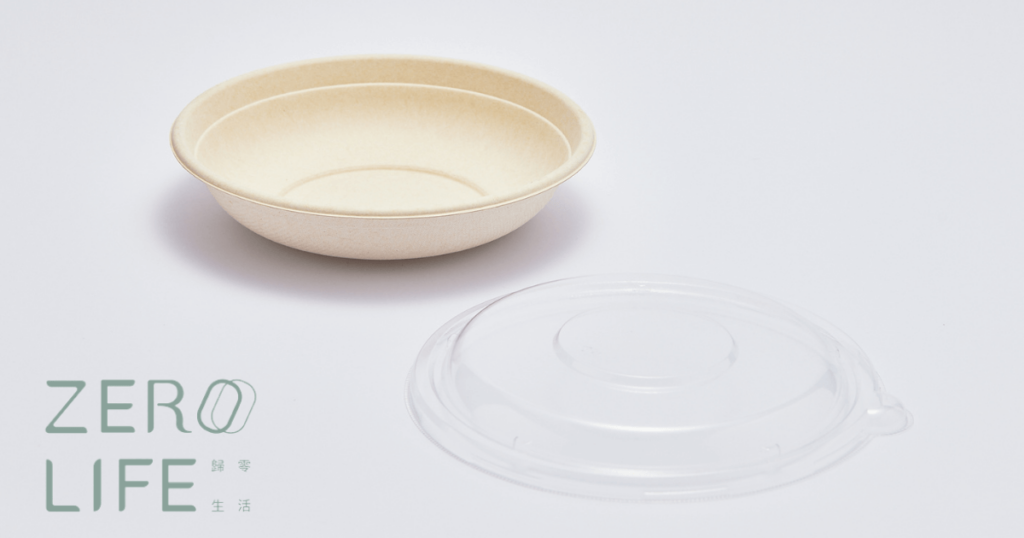
Hello, friend! If you’ve been looking for ways to make your brand more sustainable while standing out in a crowded market, then you’re in the right place. Today, we’re diving into an important and timely topic: green packaging design. With growing awareness of environmental concerns, sustainable packaging isn’t just a trend anymore—it’s a smart, impactful strategy that benefits both businesses and our planet.
Green packaging design is more than a buzzword; it’s a movement that prioritizes sustainable alternatives to harmful packaging materials. Plant fiber meal boxes, for example, are leading the charge toward greener solutions in the food industry. These eco-friendly options showcase the ingenuity of design and innovation, allowing businesses to lower their carbon footprints while providing functional and attractive packaging for their products. In this article, we’ll explore why green packaging matters, how plant fiber meal boxes make a difference, and actionable steps you can take to elevate your brand sustainably.
Why Green Packaging Design is Essential for Modern Brands
Whether you’re a small startup or an established global corporation, making sustainability part of your brand strategy is no longer optional. Green packaging gives businesses a competitive edge while appealing to a growing audience of eco-conscious consumers. Why does it matter?
Environmental Impact and Consumer Demand
There’s no ignoring the facts: plastic waste is a massive global issue. Millions of tons of plastic enter our oceans every year, and much of it comes from disposable packaging. Consumers are now holding brands accountable for their environmental impact, and companies that embrace sustainable business practices have the opportunity to build trust and loyalty.
- Green packaging reduces landfill waste and environmental pollution.
- Eco-conscious practices resonate with today’s informed and value-driven consumers.
- Sustainable design reduces your brand’s reliance on finite resources like petroleum-based plastics.
By making the switch to green packaging, you’re not merely adapting to consumer trends—you’re actively contributing to a healthier planet. And here’s where plant fiber meal boxes come into play.
Understanding Plant Fiber Meal Boxes: The Future of Green Packaging Design
Plant fiber meal boxes are a game-changer for businesses in industries like food delivery, catering, and takeout. These packaging solutions are typically made from natural materials such as sugarcane bagasse, wheat straw, or other agricultural byproducts. What sets them apart from traditional plastic or styrofoam containers?
Key Benefits of Plant Fiber Meal Boxes
- Biodegradability: Plant fiber meal boxes break down naturally in composting conditions, reducing waste and the pressure on landfills.
- Renewable Materials: Since they are made from byproducts of agriculture, they reduce the need for additional resource harvesting.
- Food Safety: These boxes are food-safe, heat-resistant, and do not leach harmful chemicals into meals.
- Carbon Footprint Reduction: Manufacturing plant fiber boxes emits significantly less CO2 compared to plastic containers.
- Customizable Design: They’re versatile and can be easily branded or printed on, an essential feature for businesses looking to make an impression.
Real-World Applications
Plant fiber meal boxes have already made waves in the food and beverage industry. Some notable examples include:
- Gourmet Restaurants: High-end dining establishments increasingly use plant fiber packaging for their takeout items, aligning with customer expectations for luxury and eco-responsibility.
- Food Trucks or Cafes: These businesses have switched to plant-based containers to simplify waste management and appeal to sustainability-focused customers.
- Meal Prep Services: Companies that deliver weekly meal subscriptions use plant fiber boxes not only to maintain freshness but also to lower their ecological impact.
How to Incorporate Green Packaging Design Into Your Brand
Adopting plant fiber meal boxes is a step in the right direction, but there’s more to creating a sustainable brand. Here’s how you can take your green packaging strategy to the next level.
1. Choose Packaging Suppliers Wisely
Your choice of packaging suppliers can make a significant impact. Look for manufacturers that prioritize ethical sourcing, sustainable materials, and transparent production methods. Bonus points if they’re close to your location—this helps reduce transportation emissions.
2. Educate Your Customers
Help your customers understand why sustainable packaging matters. Share information about plant fiber meal boxes on your website, social media, or even printed materials. When customers feel involved in supporting an eco-friendly initiative, they’re more likely to engage with your brand.
3. Design for Function and Aesthetic Appeal
Consumers love packaging that’s not only practical but also visually attractive. Make sure your green packaging looks good and aligns with your brand’s identity. Use tasteful graphic designs, logos, and colors that reflect your mission for sustainability.
4. Use Life-Cycle Assessments
Conduct a life-cycle assessment of your packaging to understand its environmental impact from production to disposal. This can help you identify weaknesses in your supply chain and improve your sustainability practices further.
5. Highlight Your Achievements
Transparency is key when promoting your efforts in green packaging design. Share progress updates and metrics about how your brand is making an impact, such as landfill diversion rates or CO2 savings. This builds trust and reinforces your commitment to sustainability.
The Business Case for Green Packaging Design
Making the switch to plant fiber meal boxes isn’t just about saving the planet—it’s also a sound business decision. Here’s why:
- Cost Efficiency: While green packaging may require an initial investment, the long-term savings from better material efficiency and fewer waste management costs are significant.
- Market Differentiation: A robust sustainability strategy can set you apart in crowded markets and become a unique selling proposition (USP).
- Regulations Compliance: Many countries are introducing laws against single-use plastics, and switching now prepares you for future regulations.
Future-Proofing Your Brand
Transitioning to green packaging design isn’t just a trend—it’s an investment in your business’s future. As laws tighten and consumer expectations evolve, early adopters of sustainable practices will be better positioned to thrive in a competitive, eco-aware market.
Conclusion: Take the First Step Towards Green Packaging Design
Making your brand stand out sustainably doesn’t happen overnight, but the journey starts with intentional, thoughtful changes like adopting plant fiber meal boxes. By aligning your business with environmentally responsible practices, you’re not only doing your part to protect the planet but also building a powerful brand identity that resonates with today’s conscious consumers.
If you’re ready to embrace green packaging design, start small, stay informed, and always consider how your actions contribute to the bigger picture. After all, sustainability is more than a business decision—it’s a way to shape a better future for us all.