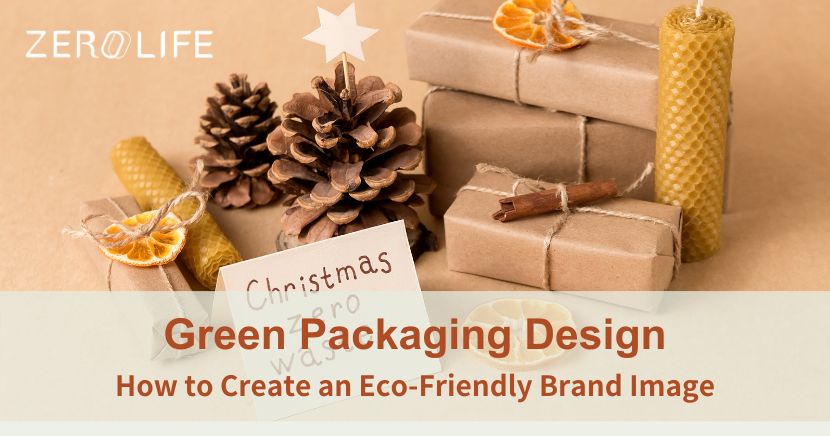
When it comes to making an impact on the environment, small steps can lead to big changes. As I’ve transitioned toward living more sustainably, I’ve noticed that packaging plays a huge role in reducing waste and protecting our planet. This is why green packaging design has caught my attention lately—it’s not just a trend, but a powerful way for brands to champion sustainability while meeting consumer demand for eco-friendly solutions. Let’s explore how eco-conscious packaging, like plant fiber meal boxes, can make an impactful difference!
Green packaging design is more than just a buzzword; it’s a critical strategy for building an eco-friendly brand image that resonates with today’s socially conscious consumers. By adopting sustainable materials like plant fiber meal boxes, businesses can actively reduce their carbon footprint, minimize plastic pollution, and appeal to a growing market of environmentally-aware customers. In this post, I’ll share practical insights, real-world examples, and actionable tips on leveraging green packaging design to give your brand a sustainable edge.
What is Green Packaging Design?
Green packaging design refers to the creation of packaging solutions that prioritize environmental sustainability. It’s all about making choices that reduce waste, conserve resources, and minimize harm to ecosystems. As someone who values eco-friendly living, I’ve seen firsthand how choosing sustainable materials for packaging can significantly reduce the environmental impact of everyday products.
Key Characteristics of Green Packaging
- Recyclable and Compostable: Materials like plant fibers, cardboard, or bioplastics are designed to break down naturally or be recycled after use.
- Renewable Resources: Packaging derived from sources like bamboo, sugarcane, or cornstarch that regenerate faster than traditional materials (e.g., trees or petroleum).
- Minimal Waste: Green packaging often uses less material overall, making the production and disposal process more efficient and eco-friendly.
By focusing on these traits, you can create packaging that not only meets consumer expectations but also aligns with global efforts to combat climate change and reduce waste.
Why Plant Fiber Meal Boxes Are a Game-Changer
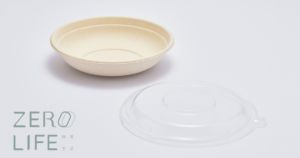
One standout option in green packaging design is the use of plant fiber meal boxes. These containers are crafted from natural agricultural byproducts—such as sugarcane bagasse, wheat straw, or bamboo—making them one of the most sustainable packaging solutions on the market.
Benefits of Plant Fiber Meal Boxes
- Eco-Friendly Disposal: Unlike plastic packaging, plant fiber meal boxes decompose in just a few months under composting conditions, leaving no harmful residue.
- Energy Efficiency: The production of plant fiber packaging often requires less energy compared to conventional plastic or metal containers.
- Versatility: Durable and heat-resistant, plant fiber boxes can be used for hot, cold, wet, or dry items without compromising functionality.
- Reduced Carbon Footprint: By utilizing agricultural byproducts, these meal boxes help repurpose waste while lowering greenhouse gas emissions related to raw material extraction.
Examples of Plant Fiber Packaging in Action
If sustainable living is already part of your lifestyle, you may have seen plant fiber meal boxes at restaurants or in food delivery services. Many companies are swapping traditional Styrofoam and single-use plastics for eco-friendly alternatives. For example:
- Fast-Casual Chains: Restaurants like Chipotle and Sweetgreen have popularized plant-based packaging, showcasing their commitment to sustainability.
- Meal Delivery Services: Brands such as HelloFresh and Daily Harvest use compostable packaging to reduce single-use waste associated with shipping meals.
- Small Businesses: Local cafes, bakeries, and food trucks are turning to plant fiber containers as a cost-effective and eco-conscious option.
These examples illustrate how wide-ranging the impact of green packaging can be, extending from major corporations to small, independent businesses.
How to Incorporate Green Packaging Design Into Your Brand
If you’re a business owner or someone involved in the product space, integrating eco-friendly packaging doesn’t have to be complicated. In fact, it may be one of the easiest—and most effective—ways to align your brand with sustainability. Here are a few actionable steps you can take:
1. Select the Right Materials
Start by evaluating the types of packaging you currently use. Could any materials be replaced with plant-based options? For example, plant fiber meal boxes could replace plastic takeout containers, and compostable paper strips might be used instead of plastic cutlery wraps. Research your industry’s needs and choose durable yet sustainable alternatives.
2. Educate Your Customers
One key to success in green packaging design is customer education. Let your audience know how to properly dispose of plant fiber meal boxes or other eco-friendly elements. Include clear labeling on your packaging about whether the material is compostable, biodegradable, or recyclable. You can also share educational posts on your website or social media to explain why these changes matter.
3. Design for Minimal Waste
Rethink your packaging to use as little material as possible. For instance, consider whether every item actually needs individual wrapping. When creating plant fiber containers, focus on functional designs with minimal excess, ensuring that every gram of material has a purpose. Customers will appreciate the intentionality behind your choices.
4. Partner with Sustainable Suppliers
Partnering with manufacturers and suppliers who share your commitment to the environment will ensure you’re sourcing the most sustainable options available. Research companies that specialize in biodegradable or renewable packaging and prioritize ethical sourcing practices. Working with the right supplier can make all the difference in achieving your sustainability goals.
5. Highlight Your Efforts
Consumers love supporting brands that care about the environment, so don’t be afraid to highlight your green packaging initiatives in your branding and marketing. Use phrases like “100% Compostable” or “Plastic-Free” on your boxes and include messaging about reducing waste. This not only appeals to eco-conscious consumers but also strengthens your brand identity.
The Future of Green Packaging Design
As demand for sustainable solutions continues to grow, developments in green packaging technology are providing even more options for eco-conscious brands. We’re seeing exciting innovations in areas like edible or dissolvable packaging, algae-based alternatives, and packaging that incorporates smart features like carbon absorption. These advancements prove that the possibilities for green packaging design are endless.
The shift toward sustainable packaging isn’t just good for the planet; it’s good for business. According to market research, more than 60% of consumers are willing to spend more on products with eco-friendly packaging. By adopting sustainable solutions like plant fiber meal boxes, companies can capture this growing segment of the market while making a meaningful difference for the environment.
Final Thoughts
Green packaging design is more than a trend—it’s a necessary response to the environmental challenges of our time. Whether you’re a global brand or a small business, embracing sustainable solutions like plant fiber meal boxes can help you build trust with customers, reduce waste, and contribute to a healthier planet. Together, we can create a future where packaging is more thoughtful, eco-friendly, and beneficial for everyone.