
How Green Packaging Helped Us Rethink Plastic Waste
When our small food-based business decided it was time to take additional steps towards sustainability, we knew packaging was our biggest challenge. Most of our takeout and delivery services relied on plastic containers and wrappers. While they were cheap and functional, the environmental cost weighed heavily on our conscience. This wasn’t just about keeping up with trends; it was about walking the talk for a better world.
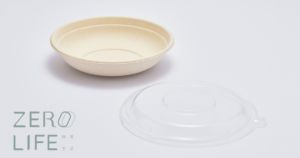
After researching alternatives, we stumbled upon plant fiber meal boxes. Made from renewable materials like sugarcane fibers or wheat straw, these containers were biodegradable, compostable, and sturdy. Switching to these boxes aligned with our sustainable values and allowed us to directly tackle the plastic problem.
Why We Chose Plant Fiber Meal Boxes
Switching to green packaging wasn’t an overnight decision. We considered several factors before embracing plant fiber meal boxes, including their environmental impact, cost-efficiency, and functionality. Here’s why these stood out to us:
- Eco-friendly Design: Plant fiber meal boxes decompose in about 90-120 days, unlike plastic, which can take hundreds of years to break down. This means less waste in landfills and oceans.
- Food Safety and Functionality: Despite being made from natural materials, these boxes are grease-resistant, suitable for both cold and hot food, and maintain their integrity even with sauces or oils.
- Renewable Resources: By relying on agricultural by-products like sugarcane bagasse, we repurpose waste materials into something valuable, creating a closed-loop system.
- Customer Appeal: A rising number of eco-conscious customers appreciate businesses that are transparent about eco-friendly initiatives. This small change also differentiated us in a highly competitive market.
This step wasn’t just good for the environment but also became a key part of our marketing and customer engagement strategy.
Green Packaging Case: The Benefits We Witnessed
Since making the switch, we’ve experienced numerous benefits that reinforce how impactful green packaging can be. Below are some of the key takeaways from our journey:
1. Reduced Plastic Waste
Before we switched, nearly 90% of our packaging waste was non-recyclable plastic. After introducing plant fiber meal boxes, we saw a sharp decline in plastic usage. By one estimate, in just six months, we prevented more than 2,000 kilograms of plastic from entering the waste stream.
2. Enhanced Brand Trust
Customers responded incredibly well to our new packaging. Feedback flooded in from people who valued our commitment to eco-friendly materials. It strengthened customer loyalty and positioned us as a forward-thinking, environmentally conscious brand.
3. Aligned With Global Movement
There’s been increasing awareness about the environmental harm caused by plastics. By implementing green packaging, we became a part of a global community fighting plastic pollution and showed our business could contribute meaningfully to the cause.
4. Cost Balancing
Admittedly, green packaging is a bit pricier than traditional plastics. However, the increased customer trust and support compensated for this additional cost. We also optimized our processes to reduce unnecessary expenses elsewhere, balancing these costs effectively.
Steps to Adopt Green Packaging for Your Business
If you’re inspired by our journey and wish to reduce your plastic footprint too, let me walk you through some steps to get started.
- Analyze Your Needs: Assess your current packaging needs. Which items generate the most waste? Focus on replacing those first.
- Research Sustainable Options: Explore different green packaging solutions such as plant fiber boxes, biodegradable cutlery, and compostable bags.
- Engage Vendors: Reach out to suppliers who specialize in eco-friendly packaging. Ask for samples to test quality, especially for food-related packaging where heat resistance or grease resistance is critical.
- Educate Your Team: Implementing green packaging is a collective effort. Train staff about handling and disposing of these materials properly.
- Inform Customers: Communicate the transition to your audience, highlighting its environmental impact. Use creative marketing campaigns to educate them about disposal methods like composting.
By following these simple steps, you too can contribute to reducing global plastic waste while adding value to your brand.
How Plant-Based Packaging Revolutionized Our Workflow
Making the shift to green packaging also revolutionized some of our internal workflows. By intentionally integrating sustainability goals into our daily business operations, we uncovered more opportunities to reduce waste. For example:
- We introduced a waste segregation system to ensure used plant fiber meal boxes went to composting instead of landfill.
- Partnering with local composting facilities created a smoother end-of-life cycle for these materials.
- Creative packaging sleeves and inserts educated our customers on how to dispose of meal boxes responsibly.
These small steps ensured that our efforts extended beyond the box itself, amplifying its already considerable benefits.
Final Reflections on the Green Packaging Case
Looking back, switching to plant fiber meal boxes was one of the most rewarding decisions we’ve made for our business and the environment. It showed us that no effort to reduce waste is too small. The switch brought tangible changes—not just in our waste footprint but also in how our customers perceive us and in how we operate as a team.
For anyone considering this path, I can confidently say it’s worth it. Beyond being an eco-friendly business decision, it’s a statement of values—a message that together, we can reduce plastic waste and create a cleaner planet, one box at a time.
So, what steps are you taking to consider greener, sustainable alternatives? Let me know in the comments below—I’d love to hear your story!