Hello! Reducing plastic waste is more than a trend—it’s a critical step toward a healthier planet. Businesses play a significant role in addressing this challenge, especially when choosing sustainable alternatives like plant fiber meal boxes. These innovative packaging solutions can help reduce environmental impact, cut dependency on plastic, and appeal to eco-conscious customers. In today’s post, I’ll share how one small business made this change through a green packaging case study and the incredible outcomes they achieved.
Plant fiber meal boxes are made from renewable, biodegradable sources that serve as an excellent alternative to single-use plastics. Implementing these boxes didn’t just help the business reduce its carbon footprint—it also boosted its profile among environmentally aware customers. Through this real-world example, I’ll show how using sustainable packaging like plant fiber meal boxes offers clear benefits for businesses while promoting eco-friendly practices. Stay tuned for practical tips and insights from this inspiring journey!
How a Small Business Embraced a Green Packaging Case
I recently connected with a café owner, Emma, from Melbourne, Australia, who runs a thriving small business that serves wholesome, locally-sourced meals. Like so many cafés, Emma’s business heavily relied on single-use plastic containers for takeaway meals, despite her growing concerns about plastic pollution. She shared with me how her bold decision to switch to plant fiber meal boxes completely transformed her operations—and her environmental impact.
The Problem: A Mountain of Plastic Waste
Emma was shocked to calculate just how much plastic waste her café generated each month. Her team was using hundreds of plastic takeaway containers every week, translating into thousands of wasteful items each year. These non-biodegradable containers often ended up in landfills or worse—polluting rivers and oceans.
The environmental impact wasn’t her only concern. As public awareness of plastic pollution grew, so did consumer demand for sustainable products and practices. Her customers began asking about eco-friendly packaging options. Emma knew that continuing to use plastic containers might tarnish her brand’s image in the long term.
The Solution: Transitioning to Plant Fiber Meal Boxes
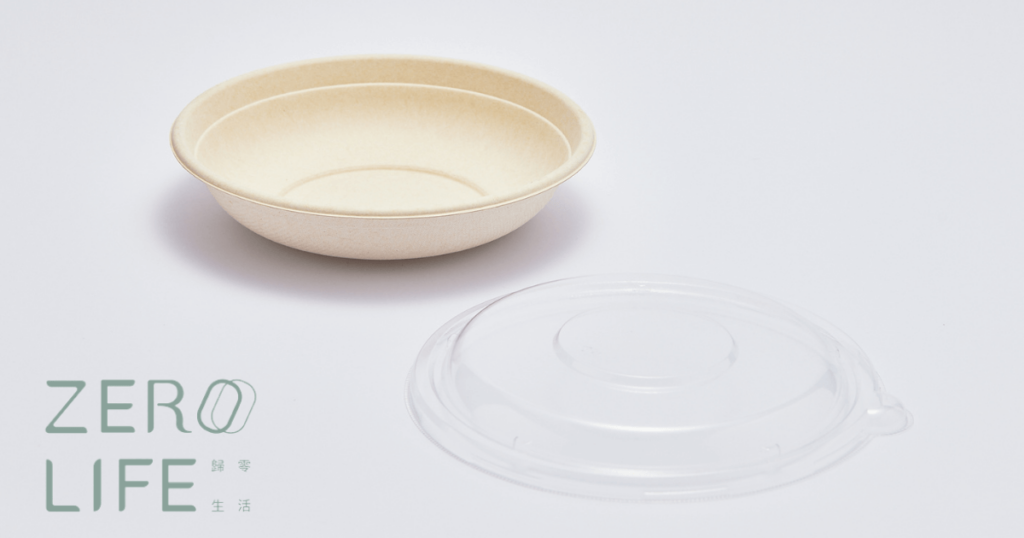
Emma started researching sustainable packaging alternatives and quickly discovered plant fiber meal boxes. Made from agricultural byproducts such as sugarcane bagasse, these eco-friendly containers are biodegradable, compostable, and surprisingly durable. According to her, the switch was simpler than she had imagined. Here’s why:
- Plant fiber meal boxes are affordable, with pricing comparable to mid-range plastic containers.
- They offer excellent durability and are heat-resistant, making them perfect for hot and cold meals alike.
- Many distributors provide these boxes in bulk, making them accessible for small businesses like Emma’s café.
- The boxes are naturally compostable, breaking down within months in commercial composting facilities.
- The materials align with the café’s sustainable philosophy and strengthened customer loyalty.
The Benefits of the Green Packaging Case for Her Business
Boosting Customer Loyalty and Brand Image
One of Emma’s biggest surprises was the immediate positive feedback from her customers. Visitors frequently mentioned how impressed they were by her business’s commitment to sustainability. This added a competitive edge for her café in a crowded hospitality market. Customers were more likely to return and recommend her business because it aligned with their eco-conscious values.
Emma’s story reflects a broader trend of consumers choosing brands that reflect their desire for a greener future. In fact, studies show that over 70% of global consumers are willing to pay more for products and services from sustainable brands.
Reducing Environmental Footprint
Switching to plant fiber boxes lowered Emma’s waste output by over 80%. Her café partnered with a local composting facility where the used containers could be sent, closing the loop and preventing waste from ending up in landfills. By taking these steps, her café contributed to a reduction in greenhouse gas emissions and promoted a circular economy.
Financially Sustainable Choices
Many small businesses are hesitant to adopt green packaging due to perceived high costs, but Emma discovered that the reality was quite the opposite. By purchasing biodegradable boxes in bulk, she managed to keep her operational costs stable. Over time, the positive customer response and increased foot traffic helped improve her overall profitability.
Practical Tips for Businesses Considering Green Packaging
If you’re a business owner inspired by Emma’s case, switching to eco-friendly packaging might feel like a big leap. Here are some practical steps to make the transition easier:
- Start Small: Begin by incorporating plant fiber containers for select items on your menu. This lets you familiarize yourself with the new process without making immediate large-scale changes.
- Research Suppliers: Look for reputable suppliers who specialize in sustainably sourced packaging. Many offer tailored support for small businesses.
- Educate Your Customers: Use the switch to highlight your business’s sustainability goals! Add signage, social media posts, and menu labels to inform customers about your new eco-friendly approach.
- Engage with Local Programs: Collaborate with composting facilities or municipal programs in your area to ensure proper disposal of biodegradable materials.
- Track Your Impact: Measure your progress by calculating reductions in waste, customer feedback, and cost savings over time. Share these results to inspire others!
Why More Small Businesses Should Join the Green Packaging Case Movement
Emma’s story is one of many showing that sustainability is no longer a luxury—it’s a necessity. Small businesses have immense potential to lead the way toward greener practices, while gaining practical benefits like increased customer loyalty and cost savings. By choosing plant fiber meal boxes and other eco-friendly packaging, businesses can lower their environmental footprint and help create a cleaner, more sustainable future.
For me, this story has been a reminder of how even small changes can create ripples of positive environmental impact. From supporting plant-based packaging solutions to collaborating with local waste management initiatives, every effort counts in the fight against plastic pollution. And as Emma’s journey proves, sustainability not only benefits our planet but also strengthens businesses in the eyes of consumers.
What about you? Have you been inspired to explore green packaging options for your business or daily life? Share your thoughts and stories—I’d love to hear how you’re contributing to a more sustainable world!