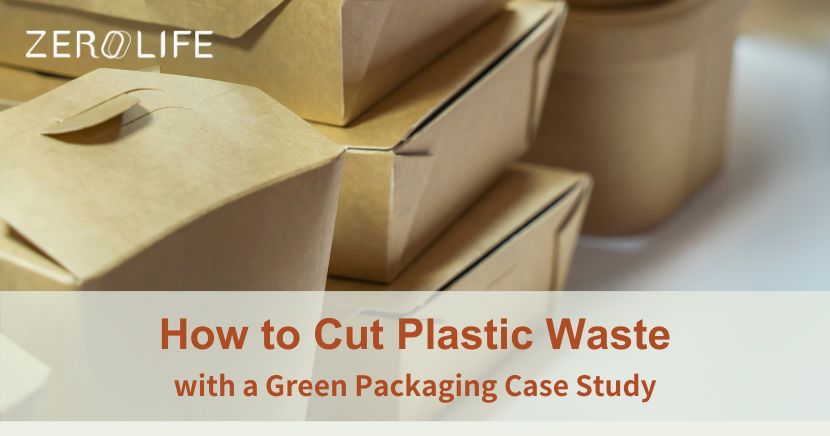
How One Small Business Cut Plastic Waste with a Green Packaging Case Study
Plastic pollution is one of the most pressing environmental challenges of our time. As consumers grow more conscious of their choices, businesses are stepping up to adopt eco-friendly practices. Today, I’m sharing the story of how a small business made a simple yet powerful pivot that drastically reduced its environmental footprint—with plant fiber meal boxes. This green packaging case study highlights just how impactful sustainable alternatives can be, not just for the planet but for business growth too.
Plant fiber meal boxes represent the future of packaging: biodegradable, sustainable, and practical. In this case study, I’ll explore why replacing plastic with plant-based materials can reduce waste and align with your values. Whether you’re a business owner or an eco-conscious individual, this post will arm you with ideas to foster sustainability in everyday life.
Why Green Packaging Matters to Small Businesses
Sustainable packaging isn’t just a corporate buzzword—it’s an essential step toward tackling the growing global waste crisis. Millions of tons of single-use plastic end up in landfills and oceans every year, harming wildlife and polluting ecosystems. While large corporations often grab headlines for their environmental efforts, small businesses collectively have a powerful role to play.
Making the switch to green packaging offers several distinct benefits for small businesses:
- It reduces their contribution to plastic pollution, creating a positive environmental impact.
- It enhances their brand image, appealing to eco-conscious consumers.
- It aligns with growing regulatory changes targeting single-use plastics in many countries.
- It attracts new customers who prioritize sustainable products and services.
With customer preferences increasingly favoring sustainable practices, green packaging can also serve as a competitive edge. That’s precisely what happened in the journey of this small business, which I’ll expand on below.
The Green Packaging Case: Introducing Plant Fiber Meal Boxes
Let’s get into the heart of the story. A local meal delivery service was facing a dilemma. They were passionate about providing healthy, home-style meals to their customers, but plastic containers felt out of sync with their values. Their solution? Transitioning to plant fiber meal boxes.
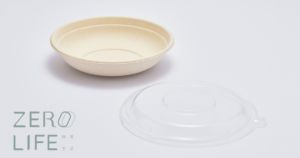
Plant fiber meal boxes are made from agricultural waste, such as sugarcane bagasse or wheat straw. These boxes are renewable, compostable, and completely free of petroleum-based plastic. The switch not only replaced harmful materials but also delivered unique advantages.
The Environmental Benefits of Plant Fiber Meal Boxes
Switching to plant fiber boxes had an immediate and tangible environmental impact:
- Reduced Plastic Waste: By eliminating plastic containers, this business stopped the equivalent of 2,500 pounds of plastic waste annually from entering landfills and waterways.
- Lower Carbon Footprint: Plant-based packaging has a smaller carbon footprint compared to traditional plastic production, which relies on fossil fuels.
- Compostability: Unlike plastic, which can take hundreds of years to degrade, plant fiber decomposes within weeks under the right conditions.
This greener choice aligned with their mission to operate sustainably. It also resonated strongly with customers who were seeking meal services that reflected their eco-conscious values.
Practical Benefits for Business and Customers
Beyond the obvious environmental advantages, plant fiber meal boxes offered practical benefits:
- Microwave and Freezer Safe: Customers appreciated the convenience of reheating meals directly in the container.
- Sturdy and Leak-Proof: Plant fiber boxes were just as durable as their plastic counterparts, ensuring food quality and presentation during delivery.
- Cost-Effective: While initial costs were slightly higher, the long-term savings came through better customer retention and reduced waste management expenses.
These meal boxes became an excellent example of innovation meeting practicality. With customers giving raving feedback, the business owners knew they had made the right choice.
Tips for Businesses Considering Green Packaging
If you’re a small business looking to reduce your plastic dependency, here are some actionable steps:
- Research Packaging Options: Explore green alternatives suited to your product. Plant fiber, mushroom-based packaging, and recycled paper are just a few fantastic options.
- Evaluate Costs: Start by identifying how switching to eco-friendly materials impacts your initial budget. Some solutions may require higher upfront investment but offer long-term savings.
- Work with Reliable Suppliers: Partner with vendors specializing in certified sustainable materials. Look for certifications like FSC (Forest Stewardship Council) or BPI (Biodegradable Products Institute).
- Test with Customers: Introduce green packaging with select customers or products and gauge their reactions before moving forward with a full transition.
- Share Your Story: Use social media and marketing to highlight your commitment to sustainability. Customers love supporting businesses that stand for something meaningful.
These steps will help you lay a solid foundation for sustainable operations.
The Future of Green Packaging in Sustainability
As more businesses adopt green packaging strategies, the collective impact could be monumental. Estimates suggest that eliminating single-use plastics globally could cut 50% of ocean plastic waste. But there’s still a long way to go, and small business owners can lead the charge by opting for solutions like plant fiber.
From this case study, it’s clear that sustainable packaging isn’t just a trend—it’s a necessity for the health of our planet. Whether you’re in food delivery, e-commerce, or retail, embracing eco-friendly, compostable packaging can bring transformative benefits to your business and beyond.
A Call to Action for the Eco-Conscious
Sustainability begins with informed choices, and plant fiber meal boxes are one step in the right direction. Whether you’re a business owner or a consumer, you hold the power to prioritize the planet in your decisions. When you choose green products and support eco-focused businesses, you contribute to a growing movement for a better, cleaner future.
Let’s take charge—one biodegradable box at a time. Share your journey or insights on sustainable packaging below. Together, we can inspire others to say goodbye to plastic waste and hello to a greener tomorrow!