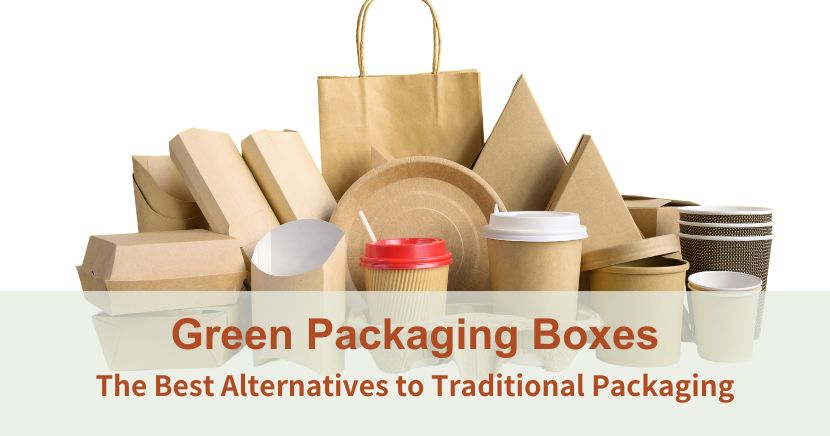
Welcome to the world of sustainable living, where small, mindful choices can create a big impact on the environment. Today, I’m sharing one of my favorite practical solutions for reducing waste and living more eco-consciously: green packaging boxes. These eco-friendly alternatives to traditional packaging offer an innovative and effective way to minimize our environmental footprint—without sacrificing convenience or functionality. From food storage to shipping needs, these packaging solutions are a step toward a healthier planet for all of us.
Green packaging boxes provide a practical and sustainable alternative to conventional packaging solutions like single-use plastic or Styrofoam. Made from renewable materials such as recycled paper, cardboard, bamboo, or plant fibers, they’re biodegradable and compostable. By choosing these eco-friendly options, you not only help reduce landfill waste but also support a cleaner, greener planet. Whether you’re running a business or trying to live more sustainably, these packaging solutions blend functionality with care for the environment.
Why Green Packaging Boxes Are Necessary
Traditional packaging may be convenient, but it’s taking a major toll on our planet. From excessive plastic waste in the oceans to overflowing landfills, the environmental consequences are severe. I’ve personally felt compelled to make more eco-friendly choices in my daily life, and switching to green packaging boxes was one of the easiest and most impactful changes I’ve made.
Here’s why these eco-conscious alternatives are necessary:
- Environmental Impact: Traditional materials like plastic can take hundreds of years to decompose, while biodegradable packaging breaks down much faster and leaves no toxic residue.
- Climate Change Prevention: Manufacturing green packaging often requires less energy, reducing carbon emissions compared to traditional packaging options.
- Safe for Wildlife: Unlike harmful plastics, biodegradable packaging materials are less likely to pose a threat to marine life or other wildlife.
By adopting sustainable packaging solutions, we contribute to a positive ripple effect that benefits both nature and humanity.
What Are Green Packaging Boxes Made Of?
Green packaging boxes are designed with sustainability in mind, which means they’re crafted from renewable and environmentally friendly resources. Some of the most common materials include:
1. Recycled Paper and Cardboard
Recycled paper and cardboard are some of the most accessible materials for creating eco-friendly packaging. They’re lightweight, durable, and easy to repurpose. Whether you’re shipping goods or packing meals, these options work wonderfully.
2. Bamboo
Bamboo is a superstar in the sustainable world. It grows rapidly without the need for pesticides, making it a highly renewable resource. Packaging made with bamboo is sturdy, biodegradable, and visually appealing.
3. Plant Fibers
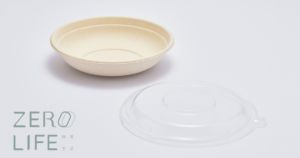
Plant fiber-based packaging, such as sugarcane pulp (often called bagasse), is gaining traction globally. These materials offer a natural, biodegradable alternative to plastic and Styrofoam while retaining strength and durability.
4. Cornstarch and PLA (Polylactic Acid)
Cornstarch-based plastics and PLA are innovative green solutions. These bioplastics break down in composting conditions, offering a safer option for the environment than petroleum-based plastics.
The Real-World Applications of Green Packaging Boxes
Switching to green packaging isn’t just good for the planet; it’s immensely practical in day-to-day life. Below are some of the ways you can integrate these solutions into various settings:
1. Food Packaging
Green packaging boxes are perfect for meal prep, takeout containers, and food storage. Personally, I’ve been using plant fiber containers to store leftovers and pack lunches—they’re lightweight, leak-resistant, and compostable! Some benefits include:
- Keeping food fresh while minimizing waste.
- Safe for microwave and freezer use, depending on the material.
- Biodegradable and easily disposable.
2. Shipping and E-Commerce
For businesses, green packaging solutions are a fantastic way to align brand values with customer expectations. Eco-conscious shoppers appreciate companies that prioritize sustainability. Using green packaging boxes for shipping can result in:
- A reduction in plastic pollution from bubble wraps and other forms of traditional packaging.
- Increased consumer loyalty as customers recognize your commitment to the environment.
- Potential cost savings by using recycled or biodegradable materials, depending on your distributor.
3. Events and Gatherings
Think about all the disposable packaging used during parties, weddings, and corporate events. Green boxes and containers can be used for catering and gift packaging, offering an elegant and sustainable alternative. They’re particularly useful for:
- Serving meals during outdoor events while minimizing waste generation.
- Holiday or gift packaging that’s both beautiful and eco-friendly.
- Creating goodie bags or giveaways that reflect sustainable values.
How To Start Using Green Packaging Boxes
If, like me, you’re ready to embrace sustainable packaging, here are some steps you can take to integrate green packaging into your life or business:
- Research Suppliers: Start by finding reputable suppliers who produce biodegradable, recycled, or compostable packaging materials. Look for certifications like FSC (Forest Stewardship Council) to ensure ethical sourcing.
- Assess Your Needs: Are you looking for takeout boxes, shipping packaging, or storage solutions? Knowing your specific requirements will help you choose the right products.
- Opt for Bulk Purchases: Buying in bulk can often save money and reduce additional transportation emissions.
- Educate Your Network: If you own a business, share information with your customers about the steps you’re taking to be more sustainable. For personal use, encourage your family and friends to make the switch as well.
Benefits of Green Packaging Boxes Over Traditional Packaging
Switching to green packaging boxes has numerous advantages compared to traditional packaging. Here’s why you should consider making the shift:
- Eco-friendly Disposal: Green packaging materials decompose naturally, whereas traditional plastics often persist in landfills for centuries.
- Energy Efficiency: Producing biodegradable packaging often uses less energy, reducing the overall carbon footprint of the manufacturing process.
- Non-toxic: Unlike plastic, green materials don’t release harmful chemicals as they degrade.
- Versatility: Green packaging is available in various sizes, types, and designs, offering flexibility for multiple needs—whether personal or commercial.
My Personal Experience with Green Packaging Boxes
At first, I was skeptical about whether green packaging boxes could match the convenience of conventional options. But once I started using them, I realized how versatile and effective they truly are. From packing lunches for work to shipping gifts internationally, these boxes have made my life easier—and greener! Knowing that I’m contributing to a healthier planet every time I use eco-friendly packaging makes the effort completely worth it.
Conclusion: Small Changes Lead to Big Impacts
Adopting green packaging boxes might seem like a small step, but when done collectively, it has the potential to make a monumental difference. Whether for personal use or business purposes, choosing sustainable packaging is a meaningful way to reduce waste, conserve resources, and combat climate change. Let’s challenge ourselves to make eco-friendly decisions and inspire others to do the same. Together, we can pave the way for a cleaner, greener future. What’s stopping you from making the switch to green packaging boxes today?