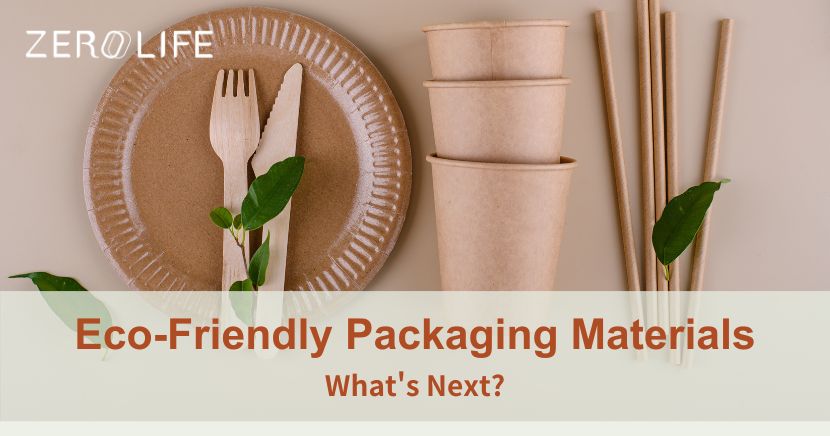
Sustainability is no longer a choice; it’s a necessity. The fight against plastic waste and environmental degradation is intensifying, and one of the most critical battles lies in how we package everyday items. As we look towards a greener future, eco-friendly packaging materials are leading the way, with plant fiber meal boxes standing out as a remarkable innovation. These biodegradable alternatives hold significant promise for reducing pollution and fostering sustainable consumption practices globally.
Why Eco-Friendly Packaging Materials Are Essential
Let me start by emphasizing the urgent need for eco-friendly innovations in packaging. Packaging waste, particularly plastic, has reached critical levels. Every year, over 300 million tons of plastic waste is produced globally, and much of it ends up choking our oceans and overflowing in landfills. This isn’t just about aesthetics or environmental beauty—it’s about creating a future where waste doesn’t compromise our ecosystems and our health.
The solution lies in shifting away from single-use plastics and toward sustainable options like eco-friendly packaging materials. These materials take into account the lifecycle of products, ensuring they minimize harm to the planet while maintaining functionality. Among these alternatives, plant fiber meal boxes have emerged as a practical, game-changing solution for individuals, businesses, and industries alike.
What Are Plant Fiber Meal Boxes?
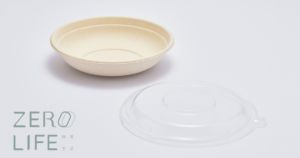
Plant fiber meal boxes are a type of compostable food packaging made from agricultural by-products such as sugarcane bagasse, wheat straw, or bamboo fiber. Instead of using petroleum-based materials like plastic or Styrofoam, these boxes rely on renewable resources that would have otherwise gone to waste. The fibers are processed into sturdy, heat-resistant packaging that serves as an eco-friendly alternative for takeout meals, food delivery, and everyday storage.
As someone who has started transitioning to more sustainable living practices, these meal boxes have impressed me with their performance and convenience. Not only are they good for the planet, but they also fulfill practical needs, making them viable for wide-scale adoption.
Core Benefits of Plant Fiber Meal Boxes
- Compostable and biodegradable: Unlike traditional plastics, plant fiber meal boxes decompose naturally within a few months when composted.
- Recyclable and renewable: Made from renewable resources, they reduce the need for virgin plastic production.
- Durable and heat-resistant: These boxes are surprisingly sturdy and can handle hot or cold foods without losing shape.
- Nontoxic and safe: Free from harmful chemicals like BPA, they ensure your food remains uncontaminated.
Environmental Impact of Switching to Eco-Friendly Packaging
Switching to plant fiber meal boxes can make a massive difference at both individual and industry levels. Here’s what happens when we embrace these eco-friendly alternatives:
- Reduction in plastic pollution: When we replace single-use plastics with biodegradable plant fiber materials, we greatly reduce the amount of waste destined for oceans and landfills.
- Lower carbon emissions: Since plant fibers are derived from agricultural waste and don’t require petroleum extraction, the carbon footprint is lower compared to traditional plastics.
- Improved soil health: Composting used meal boxes enriches soil with organic matter, creating a closed-loop system that benefits agriculture and food production.
- Support for sustainable farming: By utilizing agricultural by-products, plant fiber packaging helps integrate waste from farming into the circular economy.
For customized eco-friendly packaging solutions, join our official Line account for direct inquiries!
Real-World Applications of Eco-Friendly Packaging Materials
In recent years, more businesses and industries have adopted plant fiber meal boxes to reduce their ecological footprint. I’ve seen them pop up everywhere—from trendy cafes and meal prep companies to large fast-food chains. It’s not just about “going green” for marketing purposes; it’s about embracing an operational model that aligns with sustainability goals and customer preferences. Let’s look at some practical applications:
1. Food Delivery and Takeout
The food delivery industry has experienced explosive growth, particularly in the past few years. However, it is also responsible for a significant amount of single-use plastic waste. Plant fiber meal boxes provide an excellent alternative for takeout containers and delivery packaging. Restaurants and delivery platforms can take a meaningful step toward sustainable practices by making this switch, reducing their environmental burden.
2. Corporate Catering and Events
More corporations are adopting eco-friendly solutions, both to meet sustainability targets and reflect their brand values. Plant fiber meal boxes are increasingly popular at catered events and conferences because they’re not only sustainable but also aesthetically pleasing. They help businesses demonstrate social responsibility while ensuring practicality.
3. Everyday Consumer Use
For individuals like you and me, these boxes are a great solution for meal prepping and storing leftovers. Not only do they help eliminate personal use of single-use plastics, but they also fit seamlessly into a busy life. Many options are microwave and freezer-safe, making them incredibly versatile.
How to Adopt Eco-Friendly Packaging Materials
Transitioning to eco-friendly packaging materials doesn’t need to be overwhelming. In my journey toward more sustainable living, I’ve found several ways to embrace these changes conveniently:
Start Small as a Consumer
- Choose restaurants and cafes that use biodegradable takeout containers. Every purchase sends a message to businesses about what matters to you.
- Switch to plant fiber meal boxes for your home storage needs. They’re affordable and accessible online or in local stores.
- Practice proper composting at home to ensure the packaging materials break down completely and contribute to soil health.
Businesses Leading the Way
- Conduct a packaging audit. Calculate the environmental impact of your current packaging choices and explore plant fiber alternatives.
- Collaborate with packaging suppliers that specialize in eco-friendly materials to find the best options for your needs.
- Communicate your sustainability commitment to customers. Highlight your use of eco-friendly packaging to build trust and loyalty.
The Future of Eco-Friendly Packaging Materials
The future of sustainable packaging materials, including plant fiber meal boxes, is incredibly promising. As technology advances and awareness grows, we can expect further innovation in this space. Manufacturing processes will become even more efficient, lowering costs and making eco-friendly materials accessible to everyone.
Governments and organizations worldwide are implementing stricter regulations on single-use plastics, encouraging industries to adopt sustainable alternatives rapidly. At the same time, consumers are driving demand for greener solutions, ensuring that products like plant fiber meal boxes are here to stay.
From where I stand, choosing eco-friendly packaging isn’t just a trend—it’s a key part of building a livable future. By making thoughtful decisions today about the materials we use, we can collectively reduce waste, protect natural resources, and create a world that values sustainability over convenience.
So, the next time you order takeout, host a gathering, or prep meals for the week, consider making the switch to plant fiber meal boxes. Small changes in the choices we make every day can lead to a massive positive impact. Let’s move forward together—one eco-friendly decision at a time.
For customized eco-friendly packaging solutions, join our official Line account for direct inquiries!