What’s Next for Food Packaging? 7 Trends to Watch in 2025
I’ve been thinking a lot about the waste we generate daily, and food packaging is one of the biggest contributors. In a world where sustainability is no longer just an option but a necessity, it’s clear that we need better solutions for how we package the food we eat. Food packaging is at the forefront of creating meaningful change, and it’s exciting to see how innovative ideas like plant fiber meal boxes are shaping a greener future.
Food packaging is evolving rapidly as global awareness of sustainability grows. From reducing plastic waste to introducing high-performing, eco-friendly alternatives, the trends for 2025 reflect meaningful shifts toward protecting our planet. Among these innovations, plant fiber meal boxes stand out for their practical benefits—offering biodegradable, toxin-free solutions without compromising quality. In this blog post, I’ll explore emerging food packaging trends, dig deeper into key innovations like plant fiber meal boxes, and share actionable steps for embracing a sustainable lifestyle.
Why Food Packaging Is Critical to Sustainability
It’s astonishing how much single-use plastic dominates the food packaging space. As I started making more eco-conscious decisions, I realized that this packaging doesn’t just affect the environment—it affects every part of our global ecosystem. From overflowing landfills to polluted oceans, the damage caused by conventional food packaging is undeniable.
Moving to sustainable food packaging is essential for:
- Reducing plastic waste: Globally, only around 9% of plastic waste is recycled. Eco-friendly alternatives help solve this.
- Lowering greenhouse gas emissions: Biodegradable materials decompose naturally, minimizing their carbon footprint during production and disposal.
- Protecting wildlife and ecosystems: Traditional plastics harm marine life, while plant-based options don’t persist in the environment.
Sustainable food packaging is more than a trend—it’s a necessity for global change. One standout innovation in this space is the rise of plant fiber meal boxes. Let’s dive into what makes them so special.
Plant Fiber Meal Boxes: The Future of Sustainable Food Packaging
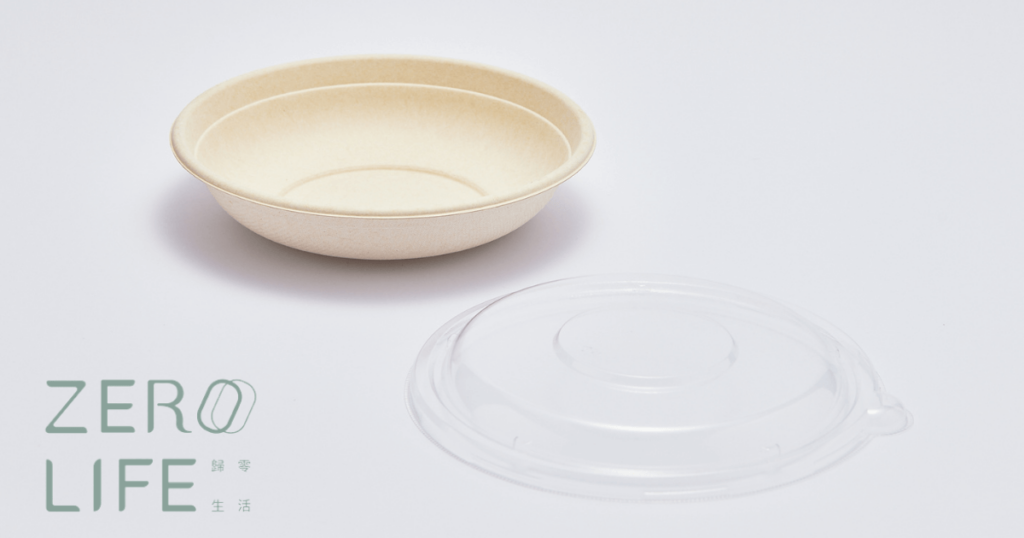
Plant fiber meal boxes are a game-changer for anyone looking to reduce their environmental impact without sacrificing quality or convenience. Here’s what makes them shine:
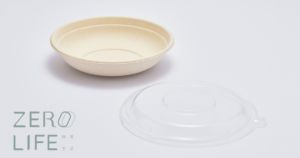
- Made from natural materials: These eco-friendly boxes use plant fibers such as bagasse (sugarcane residue), bamboo, or wheat straw, which are biodegradable and renewable.
- Designed for function: Don’t let their humble appearance fool you! Plant fiber meal boxes can handle hot and cold foods, are microwaveable, and often resist leaking, making them ideal for any meal.
- Compost-friendly: Unlike plastic, which lingers in landfills for centuries, plant fiber boxes decompose naturally within weeks in a commercial composting facility.
When I switched to using plant fiber packaging for meal prep and takeout, I couldn’t believe how seamless the transition was. The durability rivals traditional plastic packaging, and it felt great knowing I was making a sustainable choice.
Real-World Applications of Plant Fiber Meal Boxes
More businesses and individuals are adopting plant fiber meal boxes. Some examples include:
- Restaurants: Many cafes and fast-food chains now use these boxes for takeout, offering customers a convenient eco-friendly packaging option.
- Catering services: Disposable plant fiber containers are perfect for large events and catering setups. They’re sturdy, professional-looking, and completely biodegradable.
- Personal meal prep: If you pack lunches for work or need freezer-safe food storage, you’ll love the versatility of plant fiber boxes.
For anyone hesitant to make the switch, here’s my pro tip: try them for your next meal delivery order or picnic lunch. You’ll notice the difference immediately!
7 Key Trends Shaping the Future of Food Packaging
Food packaging innovation isn’t stopping with plant fiber meal boxes. Here are seven trends to watch in 2025:
1. Smarter Biodegradable Materials
Think beyond plant fibers. Researchers are developing innovative materials like edible packaging made from algae or seaweed. These creative solutions are sure to revolutionize the way we think about waste.
2. Refillable and Reusable Packaging
The shift toward circular economy models is bolstering refillable packaging options. Whether it’s glass jars for sauces or reusable stainless-steel food containers, companies are moving toward waste-free solutions.
3. Edible Packaging
Edible wrappers are on the rise, particularly for snacks and single-serve items. Imagine munching on your coffee packaging instead of throwing it away—how cool is that?
4. Increased Adoption of QR Codes
Packaging isn’t just functional; now, it’s also informational. QR codes on food packaging allow consumers to trace the product’s journey, ensuring ethical and sustainable sourcing.
5. Compostable Packaging for Frozen Foods
Frozen foods have historically been packaged in materials that resist decomposition. However, new developments in compostable frozen food packaging aim to address this challenge.
6. Design with Minimalism in Mind
Less is more. Minimalist packaging design reduces materials used per product, while still ensuring practicality and branding appeal.
7. Regulatory Driven Materials
As more countries implement bans on single-use plastics, companies are moving toward compliant, sustainable packaging at scale.
How You Can Support the Sustainable Packaging Movement
By now, you might be wondering—how do I get involved in supporting these trends? Here are some actionable steps:
- Switch to sustainable packaging: Opt for plant fiber containers, glass jars, or reusable bags over plastic counterparts.
- Support eco-conscious brands: Prioritize businesses that embrace sustainable packaging—whether you’re grocery shopping or ordering takeout.
- Avoid excess packaging: When possible, buy items in bulk or seek out products with minimal packaging.
- Compost at home: If composting isn’t an option, check if your area offers municipal or commercial compost facilities for plant-based materials.
- Advocate for policy change: Push for local governments to ban single-use plastics or introduce incentives for eco-friendly packaging solutions.
Final Thoughts: A Greener Future with Sustainable Food Packaging
Writing about food packaging trends for 2025 has been eye-opening. It’s more than clear that every small packaging decision we make adds up to a big impact. I’m inspired by the endless innovation in this space—especially with plant fiber meal boxes leading the way toward a waste-free world.
Let’s embrace these trends together. The key to meaningful change is making intentional choices. So, next time you grab takeout or pack a meal for a picnic, opt for sustainable packaging options that align with your values. Together, we can create a future where food packaging leaves no trace behind—just clean, green opportunities for generations to come!